
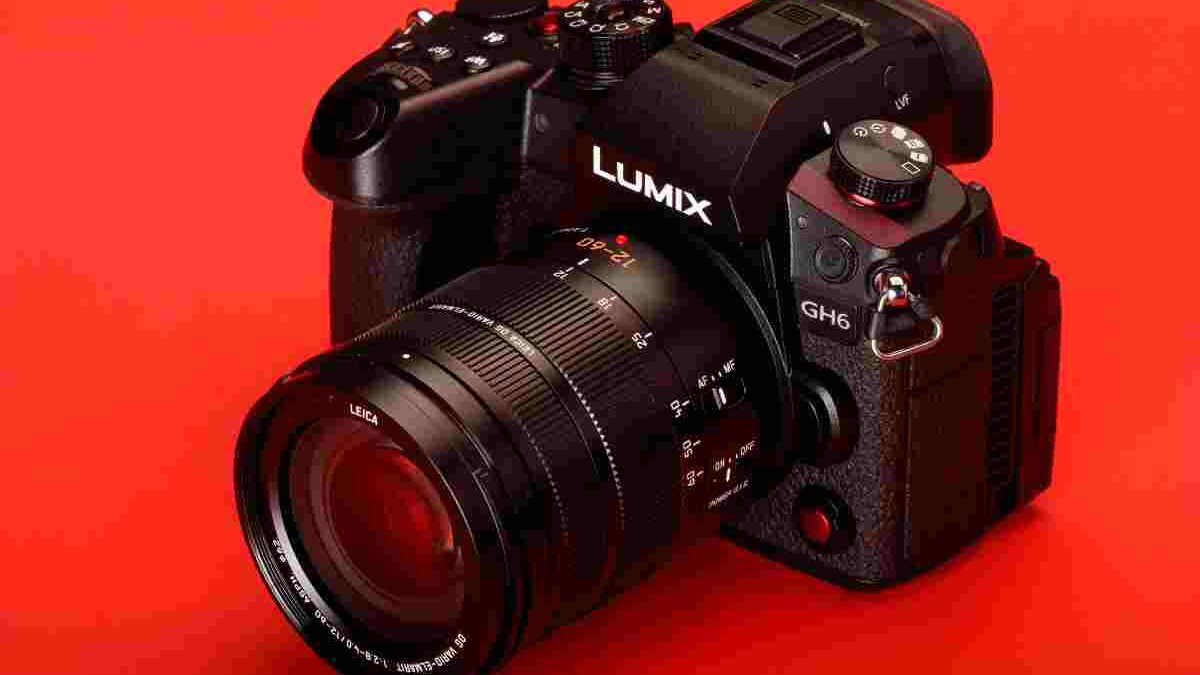
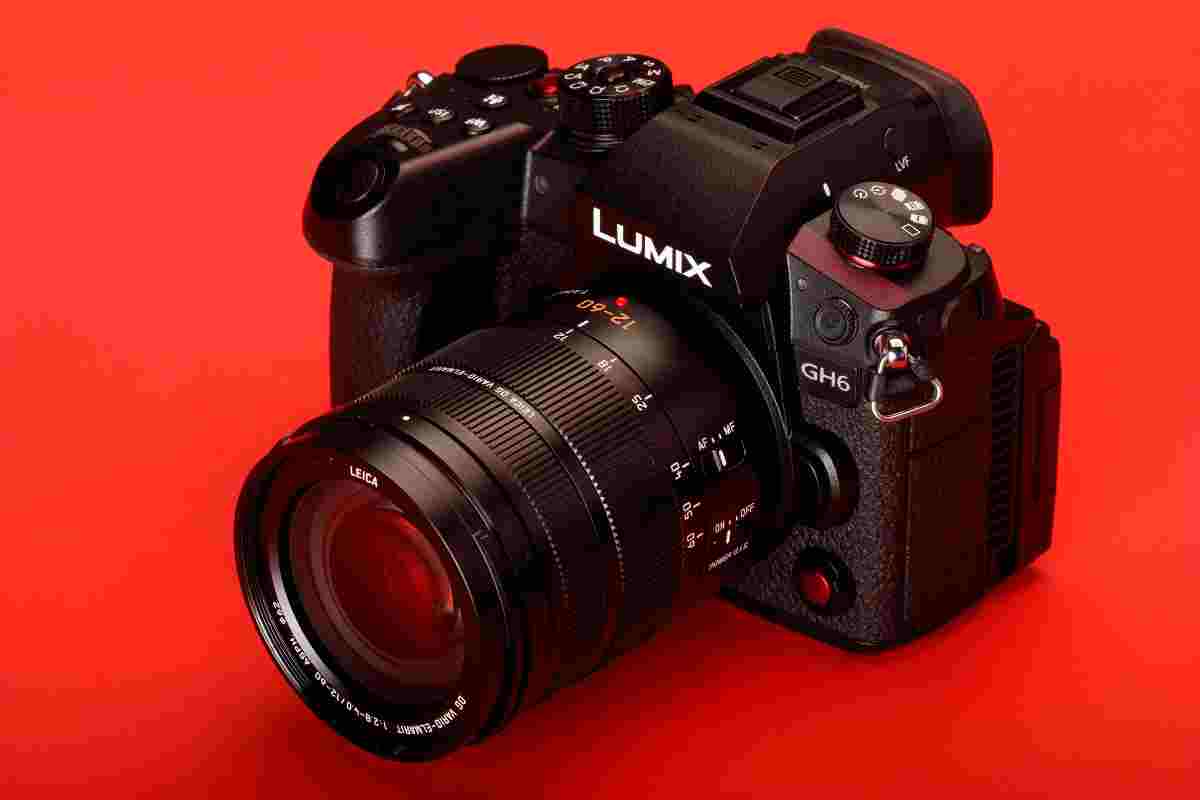
The Panasonic GH6 attracted strong interest from photographers and video creators before its official announcement. Early reports suggested that Panasonic was developing several versions of the camera. Some rumours also mentioned a 41-megapixel Micro Four Thirds sensor, improved autofocus, and support for 8K video.
However, these early details were not confirmed by Panasonic. The company later announced the development of the LUMIX GH6 in May 2021 and officially introduced the camera in February 2022.
The final model brought several important improvements for video production. It included a 25.2-megapixel sensor, advanced image processing, and professional video recording options.
Table of Contents
Vague Rumours About the Panasonic GH6
Before the official announcement, camera enthusiasts were already discussing the possible features of the Panasonic GH6. The existing GH5 and GH5S models had built a strong reputation among filmmakers and content creators.
The cameras offered a compact design, reliable image stabilisation, and useful video recording features. As a result, many users expected the next GH model to deliver further improvements.
Early online reports suggested that Panasonic might introduce three versions of the camera. They also mentioned a higher-resolution sensor and improved recording capabilities.
However, these reports came from unofficial sources. There was no reliable confirmation that Panasonic planned three separate GH6 models. Therefore, readers needed to treat these claims as speculation rather than confirmed product information.
Three Models and the Rumoured 41-Megapixel Sensor
One of the most discussed rumours suggested that Panasonic was developing three camera versions. These were reportedly called the GH6, GH6V, and GH6X.
Another claim suggested that the camera would use a 41-megapixel Micro Four Thirds sensor. Some reports even mentioned a possible Sony sensor model.
The rumours also included several expected upgrades:
- Improved five-axis image stabilisation
- Longer battery life
- Faster autofocus
- Higher-resolution video recording
- Better image processing
- Possible 8K video support
These features created excitement among Micro Four Thirds users. However, Panasonic did not confirm these specifications at the time.
The final GH6 used a 25.2-megapixel Live MOS sensor. It also introduced several video features that made the camera suitable for professional and independent video production.
Panasonic GH6: Was There Still Hope?
Before Panasonic officially announced the GH6, many users wondered whether the company would continue developing its flagship Micro Four Thirds camera line.
The Panasonic GH5 Mark II was also expected to arrive around that period. This led to questions about whether the company would introduce a new flagship camera or focus mainly on updating the existing GH5.
The GH5 Mark II and GH6 eventually became separate products. Panasonic confirmed that the GH6 was under development in May 2021.
This announcement gave Micro Four Thirds users a clear indication that the company planned to continue investing in the GH series.
Panasonic GH5 Mark II and the GH6 Development Announcement
The GH5 Mark II received attention because it offered updates to an already popular camera platform. However, video creators were also waiting for a more significant improvement in the GH series.
On May 26, 2021, Panasonic officially announced the development of the LUMIX GH6. The company described it as a new flagship model with a newly developed Micro Four Thirds sensor and image processor.
Panasonic also outlined several planned recording capabilities. These included 10-bit 5.7K video at up to 60 frames per second and 4K 120p recording.
The announcement confirmed that the GH6 was a real product in development. It also helped separate official information from the earlier online rumours.
Confirmed Panasonic GH6 Features and Specifications
Panasonic officially introduced the LUMIX GH6 in February 2022. The camera used a 25.2-megapixel Live MOS sensor and a new Venus Engine image processor.
Its main features included:
- 25.2MP sensor: The higher-resolution sensor improved detail capture compared with the previous GH5 generation.
- 5.7K video: The camera supported high-resolution 10-bit video recording.
- 4K 120p recording: This option allowed creators to capture high-frame-rate footage for slow-motion editing.
- 10-bit recording: The camera offered greater colour information for professional editing workflows.
- Five-axis stabilisation: Built-in image stabilisation helped reduce camera shake.
- V-Log and V-Gamut: These profiles provided greater flexibility for colour grading.
- Dual card slots: The camera supported CFexpress Type B and SD UHS-II memory cards.
These confirmed features made the GH6 a strong option for filmmakers who needed advanced recording controls in a compact camera body.
Image Stabilisation, Autofocus and Video Performance
Image stabilisation is important when recording handheld footage. It helps reduce unwanted movement and makes video easier to watch.
The GH6 introduced an improved five-axis stabilisation system. Panasonic stated that its Body I.S. could provide up to 7.5 stops of stabilisation under supported conditions.
The camera also improved autofocus performance through its updated sensor and image-processing system. However, autofocus behaviour can vary depending on the subject, lighting, lens, and shooting conditions.
For creators who record interviews, documentaries, travel videos, or short social media clips, these improvements can make a noticeable difference to the shooting experience.
Choosing Camera Equipment for Content Creation
A camera should match the type of content a creator wants to produce. Some users need advanced video recording, while others prefer a lightweight camera for everyday photography.
When comparing cameras, it is useful to understand both their technical specifications and their practical performance. The Sony A5000 theory and practical guide offers another camera-related reference for readers exploring different photography equipment and how camera features relate to real-world use.
The GH6 focuses heavily on video production. Its high-resolution recording modes, stabilisation, and professional codecs support demanding creative workflows.
Creators who produce social media content may also use camera footage in mobile applications. For example, anyone planning an app like Snapchat should consider how photos and videos will be captured, processed, and shared across different devices.
The right equipment depends on the production workflow, budget, lens requirements, and final publishing platform.
Understanding Camera Research and Unfamiliar Online Terms
Camera research often leads users to different websites, product discussions, and unfamiliar technical terms. It is important to check the original source before accepting a claim as accurate.
For example, readers exploring unrelated online topics may come across names such as Wijanahol Ztipanovt in 2023. Such references should be evaluated on their own context rather than treated as evidence about camera specifications.
When researching a camera, official manufacturer announcements and specification sheets should remain the main sources for confirmed technical details.
Conclusion
The early Panasonic GH6 rumours created considerable interest among photographers and filmmakers. Claims about three camera versions and a 41-megapixel sensor attracted attention, but they were not confirmed specifications.
Panasonic eventually announced the GH6 in May 2021 and introduced the final camera in 2022. The released model featured a 25.2-megapixel sensor, 5.7K video recording, 4K 120p support, and improved image stabilisation.
The GH6 showed Panasonic’s continued commitment to the Micro Four Thirds format. It also provided video creators with a capable hybrid camera for professional and independent production.