
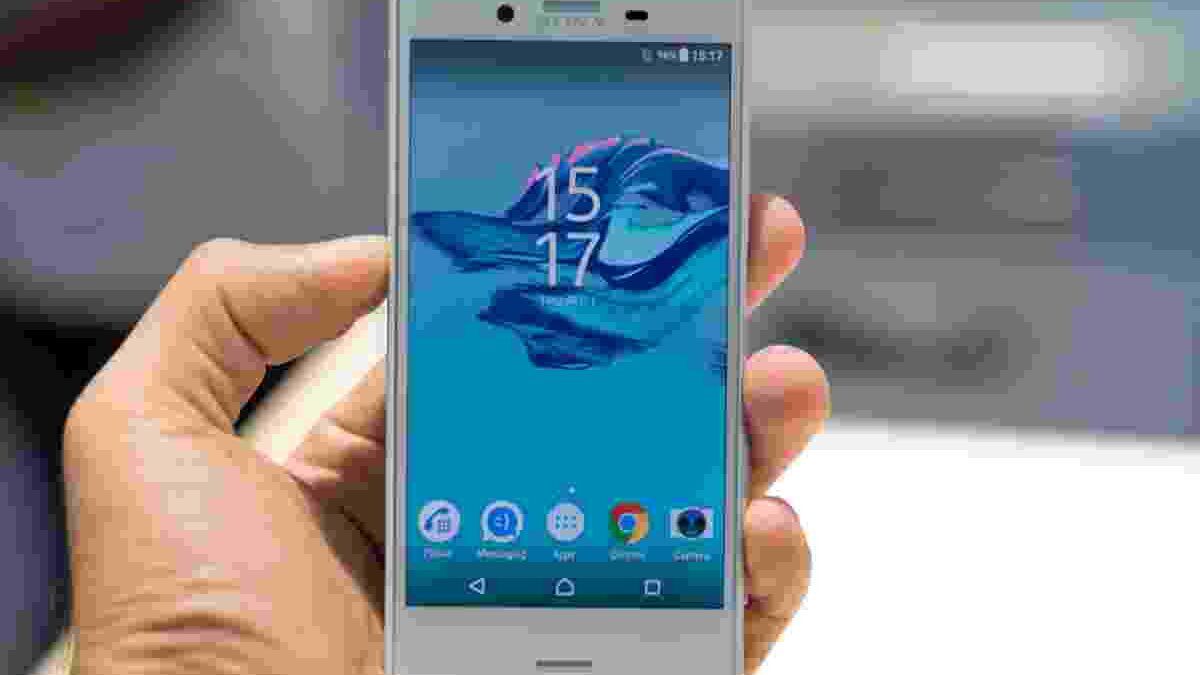
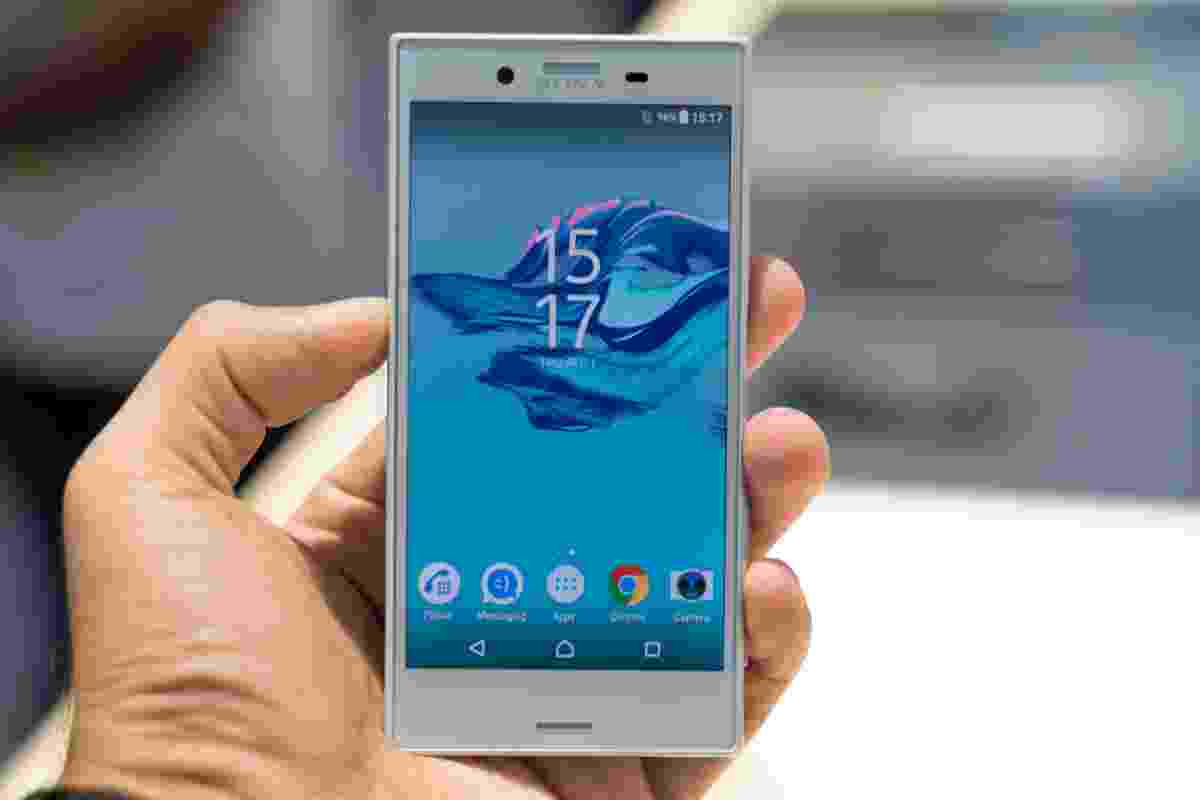
In 2016, Sony introduced the Xperia X as part of a new smartphone family designed to build on the reputation of its Xperia Z series. Rather than simply releasing another traditional flagship, the company created a range that included the standard Xperia X, the more affordable Xperia XA, and the higher-performance Xperia X Performance. This change gave buyers more options, although it also made the lineup harder to understand.
The Sony Xperia X combined a premium-looking metal design, a Full HD display, a high-resolution camera, stereo speakers, and expandable storage. However, its mid-range processor, lack of water resistance, and relatively high launch price raised questions about its position in the smartphone market.
Looking beyond its specifications, the Xperia X is an interesting example of how smartphone manufacturers balance design, performance, camera quality, and price. Here is a closer look at its construction, display, cameras, everyday performance, battery life, and overall value.
Table of Contents
Sony Xperia X: Understanding Its Place in the Smartphone Market
The Xperia X was not a direct replacement for every feature offered by the Xperia Z5. Sony positioned the Xperia X family as a new product range, while the Xperia X Performance occupied the higher-performance position.
The standard Xperia X used Qualcomm’s Snapdragon 650 processor with 3GB of RAM. This combination was suitable for everyday activities such as messaging, web browsing, social media, video playback, and routine photography. It was not designed to compete equally with every premium smartphone released in 2016.
The phone’s main appeal was its balanced hardware package. Buyers received a capable camera, a compact display, a metal body, stereo speakers, and expandable storage. Nevertheless, the price placed it in competition with devices offering faster processors or additional durability features.
That distinction remains important when evaluating older smartphones. A device can have attractive specifications without necessarily offering the best overall value. Performance, software support, physical condition, and current availability all influence whether a phone remains a sensible purchase.
Design and Build Quality: Familiar Sony Styling
The Xperia X retained the recognizable design language associated with Sony’s earlier smartphones. Its rectangular shape, clean edges, and restrained appearance made it easy to identify as an Xperia device.
One notable change was the use of a metal rear panel. The finish provided a premium appearance while maintaining the understated style that Sony had developed over several generations. The rounded glass edges also helped soften the phone’s appearance, although its relatively angular body might not suit everyone.
The handset measured approximately 143 × 69 × 7.7mm and weighed 152 grams. These dimensions made it comparatively manageable for users who preferred smaller smartphones over increasingly large handsets.
However, the design was more evolutionary than revolutionary. Buyers expecting a dramatic departure from the Xperia Z family would have found many familiar elements. The upper and lower bezels also occupied noticeable space around the display.
The most significant practical compromise concerned durability. Unlike the Xperia X Performance, the standard Xperia X did not offer the same water-resistance certification. Owners therefore needed to be more careful around rain, spills, and wet environments.
Display Quality and Everyday Viewing
Sony equipped the Xperia X with a 5-inch Full HD display offering a resolution of 1920 × 1080 pixels. Its pixel density of approximately 441 pixels per inch provided sharp text, detailed photographs, and clear interface elements.
The screen used Sony’s TRILUMINOS technology and image-enhancement features to improve colour reproduction and perceived detail. These features supported everyday activities such as reading articles, viewing photographs, watching videos, and browsing websites.
A Full HD resolution was also a practical choice for a phone of this size. Although higher-resolution panels were appearing in the premium market, 1080p provided a good balance between image clarity and power consumption.
The smaller screen had advantages for portability, but it also limited the viewing area available for multitasking and long-form reading. Users who frequently watched videos or worked with documents might prefer a larger device.
For people comparing compact phones with larger mobile screens, the best 8-inch tablets offer another category worth considering. A tablet provides more room for reading, video playback, and browsing, while a compact smartphone remains easier to carry and use for calls.
Ultimately, the Xperia X display was well suited to its physical size. Its main limitation was not basic sharpness but the smaller viewing area compared with larger modern devices.
Camera Performance: A Major Selling Point
Photography was one of the Xperia X’s strongest selling points. Sony fitted the rear camera with a 23-megapixel sensor, an f/2.0 lens, and Predictive Hybrid Autofocus. The front camera used a 13-megapixel sensor for selfies and video calls.
The high-resolution rear sensor could capture detailed images in favourable lighting. Autofocus was designed to help the camera lock onto subjects quickly, making it useful for everyday scenes, family photographs, and moving subjects.
However, megapixel count alone does not determine image quality. Exposure, image processing, lens performance, lighting, and the photographer’s technique all affect the final result.
In bright conditions, the Xperia X could produce appealing photographs with good detail and colour. Low-light photography was less consistent. Noise, reduced fine detail, and occasional focusing issues could become more noticeable when lighting conditions deteriorated.
Video recording was another limitation. The standard Xperia X supported Full HD recording rather than offering the more advanced video capabilities some buyers expected from a premium-priced device.
For readers interested in how imaging technology is used beyond smartphones, the DJI Mavic Pro 3 camera drone provides a useful comparison with dedicated aerial photography equipment. Drone cameras and smartphone cameras serve different purposes, but both demonstrate why sensor performance, stabilisation, autofocus, and shooting conditions matter more than a single specification.
Overall, the Xperia X camera was capable for its generation, but it was not automatically superior to every competing phone simply because it offered 23 megapixels.
Performance, Software, and Everyday Use
The Snapdragon 650 processor and 3GB of RAM provided a reasonable foundation for daily smartphone tasks. The phone could handle messaging, browsing, email, music playback, and many applications without requiring flagship-level hardware.
At launch, the Xperia X ran Android 6.0 Marshmallow. Its software experience included Sony’s interface and applications alongside Android’s standard features. The fingerprint reader, positioned in the side power button, offered a convenient way to unlock the handset.
The side-mounted sensor was particularly practical for users who naturally held the phone in one hand. However, it was less convenient when the device was lying flat on a desk, because reaching the side button could be awkward.
The Snapdragon 650 was a mid-range chip rather than the Snapdragon 820 used in the Xperia X Performance. That difference affected the product’s overall positioning. Routine tasks were manageable, but demanding games and intensive applications could expose the limits of the older hardware.
Today, software support deserves special attention. The Xperia X is an older device, and buyers should not assume that it receives current Android versions or ongoing security updates. App compatibility and security requirements may also differ from those of modern phones.
Anyone considering a used unit should check its installed software, battery condition, network compatibility, and whether the applications they need still function correctly.
Audio Quality and Connectivity Features
Sony included stereo front-facing speakers, which helped create a more direct listening experience than a single bottom-firing speaker could provide. This arrangement was useful for watching videos, playing games, and listening to spoken content without headphones.
The phone also supported high-resolution audio features and wireless audio technologies, including LDAC. Actual sound quality depended on the audio source, connected equipment, and the user’s listening preferences.
For a home entertainment setup, a dedicated soundbar serves a different purpose. The Sony HT-X8500 soundbar combines a compact design with built-in subwoofers and support for immersive audio formats. It can complement a television-based entertainment system, whereas the Xperia X is designed for portable listening and communication.
For connectivity, the Xperia X supported 4G LTE, Wi-Fi, Bluetooth 4.2, NFC, GPS-related positioning features, and expandable storage through a microSD card. Available storage configurations varied by model and market, with some versions offering dual-SIM support.
The phone used a micro-USB charging port rather than USB-C. Although this was common during its release period, it is less convenient today because many newer devices use USB-C accessories.
Battery Life and Charging Considerations
The Xperia X contained a 2,620mAh battery. Sony promoted battery-management features intended to help extend everyday usage, including software optimisations designed to manage power consumption.
Actual battery life depended on screen brightness, mobile signal strength, camera use, applications, and background activity. Light use could allow the phone to last longer than heavy gaming, navigation, or continuous video recording.
The relatively modest battery capacity was paired with a Full HD display and an efficient mid-range processor. This combination could help control power consumption, but battery performance also depended on the condition of the battery itself.
Charging is another factor to consider. The phone used micro-USB, and charging accessories or supported charging speeds could vary by model and market. Buyers should verify which charger is included rather than assume that every retail package has identical accessories.
Because the Xperia X is now an older smartphone, battery ageing may be a bigger concern than its original specifications. A second-hand device might have significantly less capacity than it had when new. Before buying one, check for unexpected shutdowns, excessive heat, swelling, or rapid battery drain.
Is the Sony Xperia X Still Worth Buying?
The Sony Xperia X offered a distinctive metal design, a sharp Full HD screen, capable cameras, stereo speakers, expandable storage, and a comfortable size. These features made it an appealing option for buyers who valued traditional smartphone design and practical everyday functions.
However, its limitations are equally important. The standard model lacked the water resistance associated with some earlier Xperia devices, its processor was not flagship-class, and its original price made the overall package difficult to justify against certain competitors.
Today, the decision depends primarily on price, condition, and intended use. A fully functional unit may still suit basic tasks, provided essential applications remain compatible and the battery is healthy. It is less suitable for buyers who need modern security support, reliable long-term updates, advanced gaming performance, or dependable water protection.
The Xperia X remains an interesting part of Sony’s smartphone history. It demonstrated how a manufacturer could combine premium materials and camera-focused features with mid-range hardware. Yet its lasting lesson is that a successful smartphone needs more than attractive design and impressive specifications: the complete experience must also justify its price.