
Storage containers play an important role in homes, offices, warehouses, farms, and commercial environments. They help keep items organised, protect valuable goods, and make better use of available space. Depending on their intended purpose, storage containers are manufactured from materials such as plastic, steel, aluminium, and other durable materials. They are also available in different shapes, sizes, designs, and capacities to meet a wide range of storage requirements.
Some containers are designed for long-term storage, while others are suitable for temporary or seasonal use. For example, households may use dedicated boxes to store Christmas decorations, winter clothing, or other items that are only needed during particular times of the year. Businesses and farms may require larger containers to store equipment, supplies, products, or materials safely.
Choosing the right container depends on several factors, including the type of items being stored, available space, accessibility, environmental conditions, and storage duration. Understanding the most common types of storage containers can help individuals and businesses select a suitable option for their needs.
Table of Contents
General Purpose Containers
General-purpose containers are among the most widely used storage solutions for homes, offices, farms, and commercial facilities. They are designed to accommodate different types of items, making them a practical choice when specialised storage equipment is not required.
These containers come in several designs, including panel-loading models, lift-off lids, and snap-lock systems. Smaller versions are commonly used to organise household belongings, office stationery, documents, and supplies. Larger containers can accommodate tools, equipment, inventory, and other bulky items.
Plastic general-purpose containers are popular because they are lightweight, easy to clean, and available in many sizes. Metal containers, on the other hand, may provide additional strength and durability for demanding storage environments.
When selecting a general-purpose container, consider its weight capacity, material quality, lid design, and whether it can be stacked safely. A suitable design can make everyday storage more organised while helping protect belongings from dust and damage.
Double Door Containers
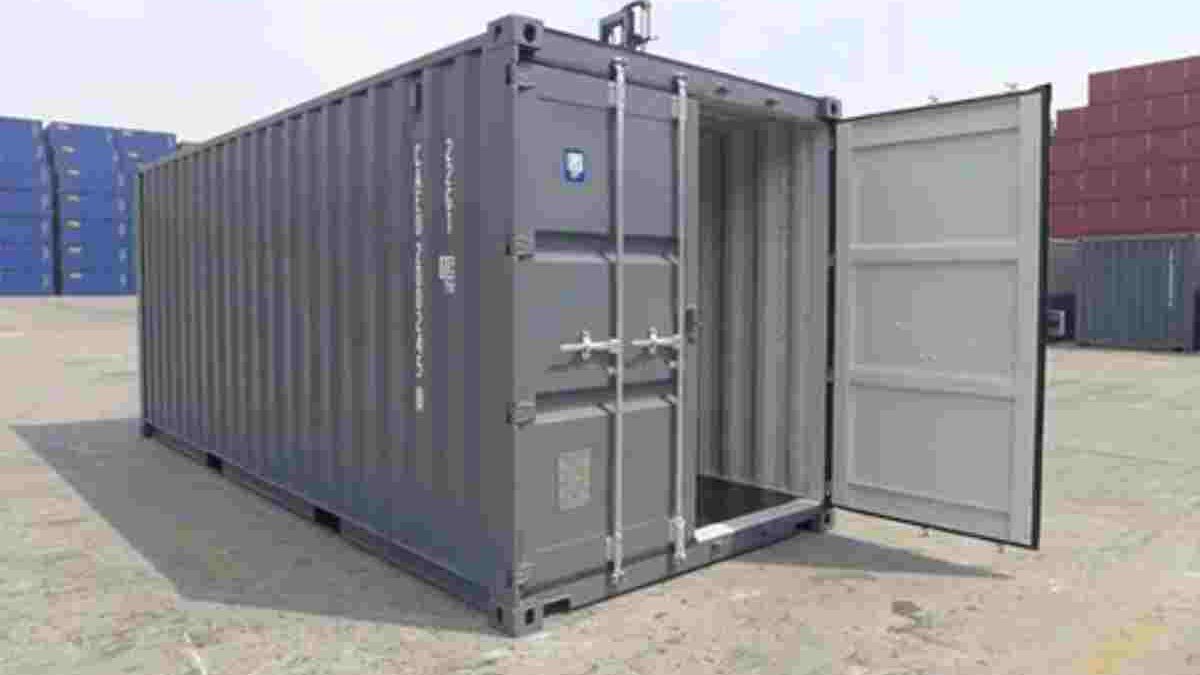
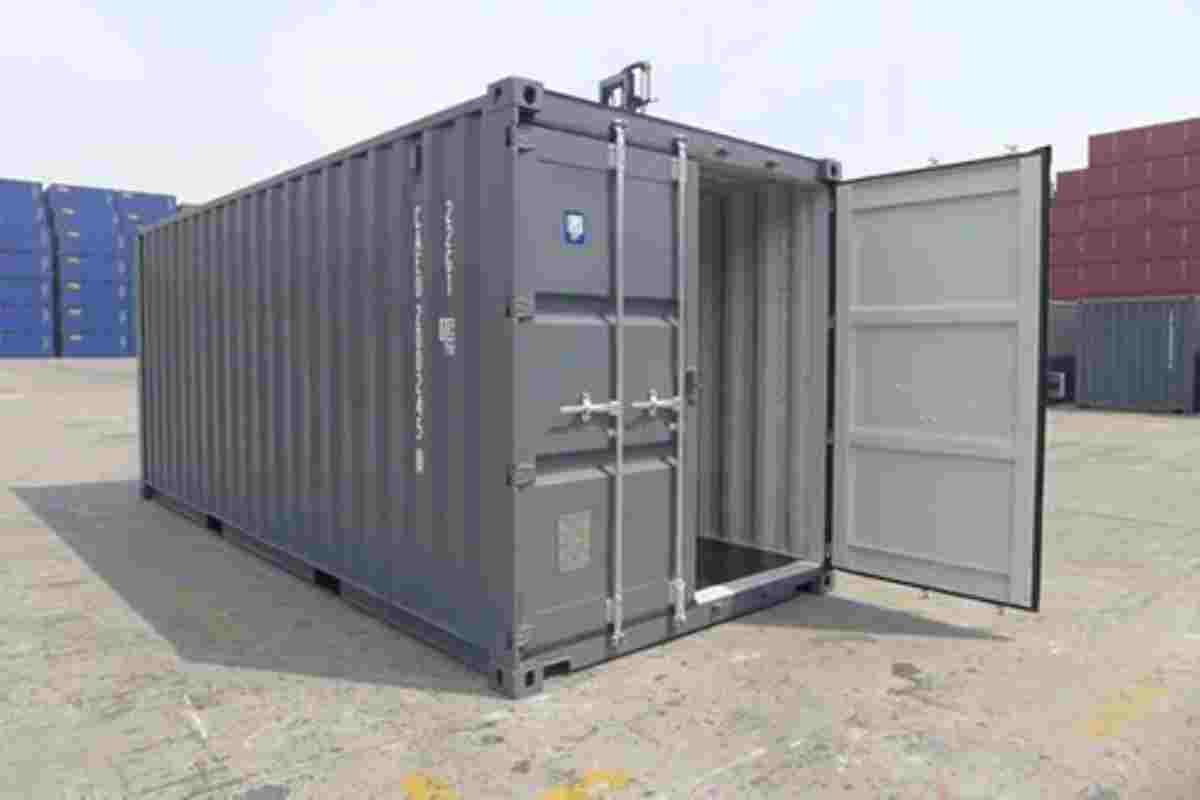
Double door containers feature two hinged doors that open outwards, providing convenient access to the stored contents. This design is particularly useful when storing large, heavy, or frequently accessed items.
Unlike containers that can only be opened from the top or one end, double door models make loading and unloading easier. Users can access the contents without having to move several other items first. This can be especially beneficial in warehouses, industrial facilities, and commercial storage areas where equipment and materials need to be retrieved regularly.
These containers are also useful when space is limited around the storage area. Their door arrangement can help users organise goods more efficiently and reduce the effort required to reach items stored inside.
Businesses that rely on digital inventory systems or connected warehouse equipment may also benefit from dependable internet connectivity. Choosing suitable business internet providers can help support inventory management, online ordering, and communication between different parts of an operation.
High Cube Containers
High cube containers are designed to provide additional internal height compared with standard containers. Their increased vertical space makes them useful for storing or transporting goods that require more room.
They are commonly used in commercial storage, logistics, manufacturing, and shipping environments. Businesses can use high cube containers for bulky products, tall equipment, furniture, and goods that cannot easily fit into standard-height units.
One of their main advantages is the additional cubic capacity. When businesses need to store more goods without increasing the container’s floor space, the extra height can make a meaningful difference.
However, it is important to consider the dimensions and weight limits of the container before using it. The height of the stored goods, loading equipment, and available clearance around the storage location should also be checked to ensure safe and convenient use.
Flat Rack Containers
Flat rack containers are designed for goods that are too large, wide, or unusually shaped to fit inside conventional enclosed containers. They generally feature a flat base with end walls, while the sides and roof remain open.
This structure makes them particularly suitable for transporting and storing oversized items such as machinery, construction equipment, vehicles, industrial components, and large materials. Their open design allows goods to be loaded from the sides or above, depending on the equipment available.
Flat rack containers are frequently used in shipping and heavy-duty logistics because they can accommodate cargo that requires specialised handling. They also make it easier to secure irregularly shaped items using appropriate straps and other securing equipment.
Before choosing a flat rack container, users should check the cargo dimensions, weight distribution, and securing requirements. Proper loading is essential to maintain stability and reduce the risk of damage during transportation.
Insulated Containers
Insulated containers are designed to help maintain more stable internal temperatures. They are available in different sizes and configurations and are commonly used for storing products that may be affected by external temperature changes.
These containers can be useful for food products, beverages, dairy items, and other temperature-sensitive goods. Their insulated construction helps reduce the transfer of heat between the interior and surrounding environment.
Some insulated containers also feature airtight seals to provide additional protection against external conditions. However, insulation alone does not necessarily provide active temperature control. Users should check whether a particular model is designed for passive insulation or includes a cooling or heating system.
Insulated containers may cost more than standard storage options, particularly when they are designed for specialised commercial applications. Therefore, buyers should consider the type of products being stored, the required temperature range, and how long the items need to remain protected.
For temporary storage requirements, a basic insulated solution may be sufficient. Businesses handling perishable products, however, may need a more specialised temperature-controlled option.
ISO Reefer Containers
ISO reefer containers are refrigerated shipping containers designed for transporting and storing temperature-sensitive goods. They are built according to international container standards and generally include insulated walls and an integrated refrigeration system.
These containers are widely used in international shipping, food distribution, pharmaceutical logistics, and other industries where maintaining a controlled temperature is important. They can help protect products such as fresh fruit, vegetables, meat, seafood, dairy products, and certain medicines during transportation.
The refrigeration system allows operators to maintain a specified temperature range according to the requirements of the cargo. This is particularly important during long-distance transportation, where goods may pass through regions with very different climates.
Reefer containers require a suitable power supply to operate their refrigeration equipment. Regular maintenance, temperature monitoring, and proper loading practices are also important for reliable performance.
Businesses should select a reefer container based on the required temperature range, cargo volume, power availability, and transportation conditions. Using the correct equipment can help reduce spoilage and maintain product quality throughout the supply chain.
Open Side Containers
Open side containers are designed to provide wider access to stored goods. Instead of relying only on doors at one end, they feature side-opening doors that allow users to reach items along the length of the container.
This arrangement makes them useful for storing large products, machinery, construction materials, and other items that may be difficult to load through conventional end doors. The wider opening can also make loading and unloading more convenient when using forklifts or other handling equipment.
Open side containers are often used in warehouses, industrial locations, construction sites, and commercial storage facilities. They can be particularly helpful when goods need to be accessed from different positions or when frequent loading and unloading are part of daily operations.
Before purchasing one, consider the available clearance around the container because the side doors need sufficient room to open. It is also important to check the locking mechanism, door condition, and overall construction quality.
Choosing the Right Storage Container for Your Requirements
Selecting a suitable storage container involves more than comparing sizes and prices. The right option should match the type of goods being stored, the available space, and how frequently the contents need to be accessed.
Consider the following factors before making a decision:
- Storage purpose: Identify whether the container will hold household belongings, office supplies, industrial equipment, food products, or oversized cargo.
- Material and durability: Choose a material that can withstand the expected handling conditions and surrounding environment.
- Size and capacity: Check both internal and external dimensions to ensure the container can accommodate the required items.
- Accessibility: Consider whether top access, end doors, double doors, or side openings will make loading and unloading easier.
- Environmental protection: Determine whether the contents need protection from moisture, dust, heat, or temperature changes.
- Budget and maintenance: Compare the purchase or rental cost with the expected lifespan, maintenance requirements, and overall usefulness.
Businesses that store or distribute products should also consider how storage arrangements fit into their wider operations. For example, retailers managing online orders may need secure storage and convenient collection facilities. Solutions such as outdoor parcel lockers can complement existing storage arrangements by providing customers with a convenient way to collect deliveries.
Maintaining Storage Containers
Regular maintenance can extend the useful life of a storage container and help protect the items kept inside. The maintenance routine will depend on the container’s material, design, and intended use.
Inspect containers periodically for cracks, corrosion, damaged doors, loose hinges, and worn seals. Plastic containers should be checked for damage that could affect their strength, while metal containers may require attention to rust and protective coatings.
Keep containers clean and dry whenever possible. Moisture can encourage corrosion in metal units and may cause mould or unpleasant odours in enclosed storage spaces. Containers used for food or other sensitive products should be cleaned according to the relevant hygiene requirements.
It is also important not to exceed the recommended weight capacity. Overloading can damage the container, affect its stability, and create safety risks during handling. For stackable models, follow the manufacturer’s stacking instructions to avoid accidents.
Businesses that use storage containers for commercial purposes should maintain clear records of inspections and repairs. They can also review supplier information, customer feedback, and industry directories when comparing storage equipment providers. Understanding how to properly use review sites and directories in Australia and New Zealand can help businesses assess available services and make more informed purchasing decisions.
Conclusion
Storage containers are available in many forms, each designed to meet different storage and transportation requirements. General-purpose containers provide flexible everyday storage, while double door and open side models offer easier access to stored goods. High cube containers provide additional vertical capacity, flat racks accommodate oversized cargo, and insulated or ISO reefer containers help protect temperature-sensitive products.
The best choice depends on the items being stored, the required capacity, environmental conditions, accessibility, and budget. By understanding the features and practical uses of each container type, households and businesses can choose a storage solution that supports their needs and makes better use of available space.