
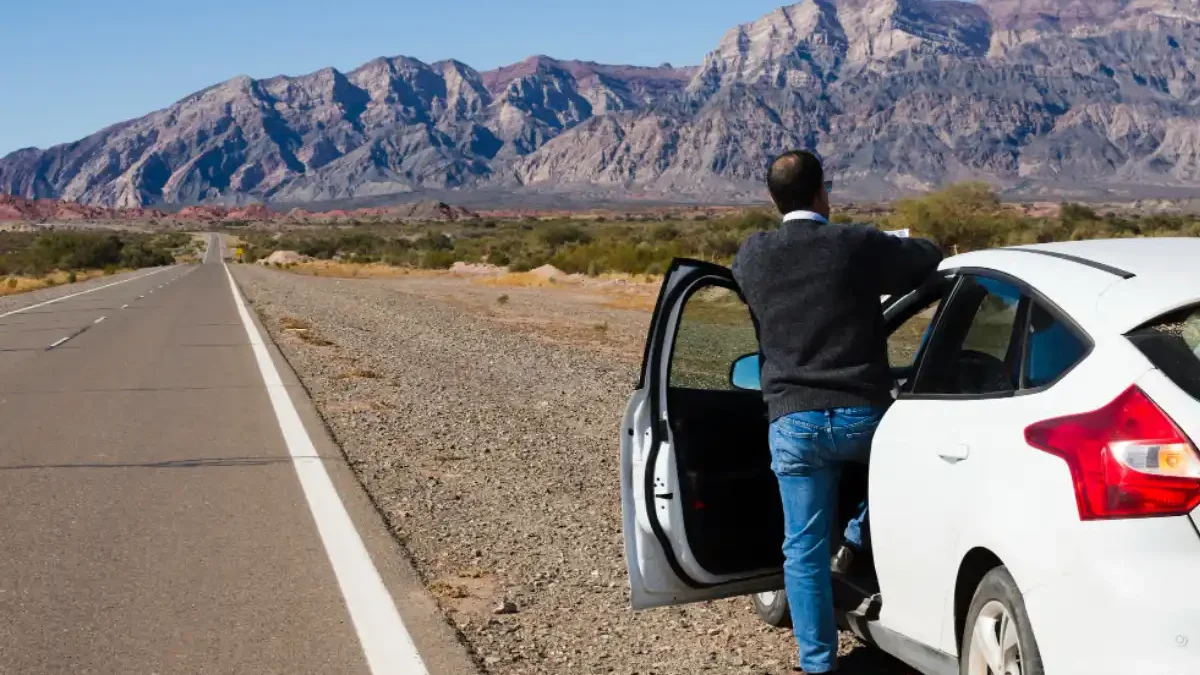

When you need to move a vehicle over a long distance, driving it yourself can seem like the obvious solution. Turn the journey into a road trip, load the trunk, and make your way to your new destination. On paper, it sounds straightforward and potentially inexpensive.
However, a long drive comes with costs, practical difficulties, and added wear that can make it less appealing than expected. Before committing several days to the road, it is worth considering whether driving really makes sense.
Table of Contents
The True Cost of a Long-Distance Drive
Fuel is usually the first expense people calculate, but it is far from the only one. A journey covering hundreds or thousands of miles may also involve hotel stays, meals, tolls, parking fees, and other travel expenses.
There are less obvious costs too. Adding substantial mileage to a vehicle brings forward the need for maintenance and contributes to the wear of tires, brakes, and other components. When all these expenses are considered together, a road trip may not offer the savings you initially expected.
Your Time Has Value Too
A major road trip can take several days, particularly when you factor in rest stops and overnight stays. That might be enjoyable when the journey is part of a vacation, but it can become inconvenient during a house move.
Relocation already involves packing, paperwork, utilities, moving companies, and countless smaller jobs. Spending days behind the wheel may leave less time to deal with those responsibilities.
For someone relocating to or from New York, choosing to ship your car Queens can provide an alternative to building an entire moving schedule around a lengthy drive.
Long Drives Can Be Unpredictable
Even a carefully planned road trip can change quickly. Heavy traffic, road closures, poor weather, construction, and mechanical problems can all cause delays.
Driver fatigue is another consideration. Long hours behind the wheel require concentration, and trying to cover too many miles in one day can make the journey exhausting. Breaking the trip into shorter stages can help, but that also increases the amount of time required.
Think About Your Vehicle
Not every car is well suited to a long-distance journey. Older vehicles, classic cars, high-value models, and cars that have recently experienced mechanical issues may be better kept off the highway for an extended trip.
Even a reliable everyday vehicle will accumulate mileage. If you are trying to preserve its condition or resale value, avoiding an unnecessary cross-country drive may be worthwhile.
When Does a Road Trip Make Sense?
Driving can still be a good option in the right circumstances. If you enjoy road trips, have plenty of time, and want to visit destinations along the way, the journey itself may be part of the experience. It can also make sense for shorter distances where overnight accommodation is unnecessary.
The key is to compare the complete journey rather than looking at fuel costs alone.
Choose Based on the Bigger Picture
There is no universal answer to how a vehicle should be moved. A road trip offers flexibility and can be enjoyable, but it also demands time, energy, and additional mileage.
Before deciding, calculate the full cost, consider your schedule, and think about the condition of your vehicle. Sometimes getting behind the wheel is the practical choice. In other cases, arranging transportation and concentrating on the rest of the move can make the entire relocation much easier.
Also Read: Surprising Ways Your Work Could Be Affecting Your Sleep