
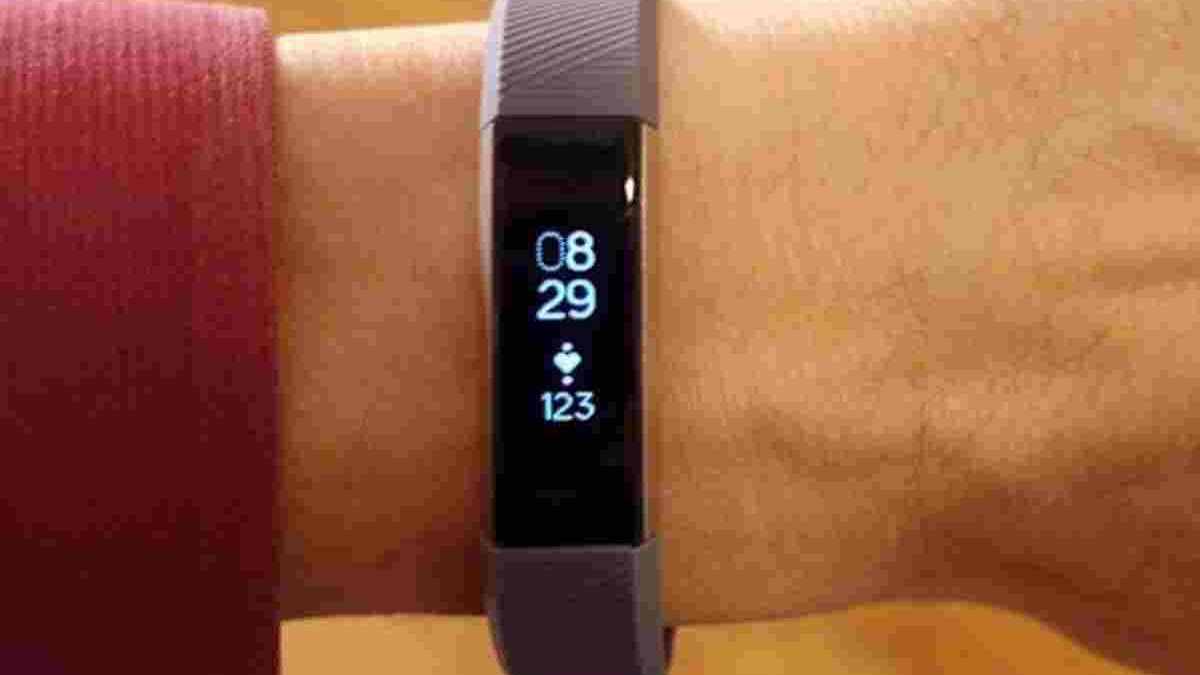
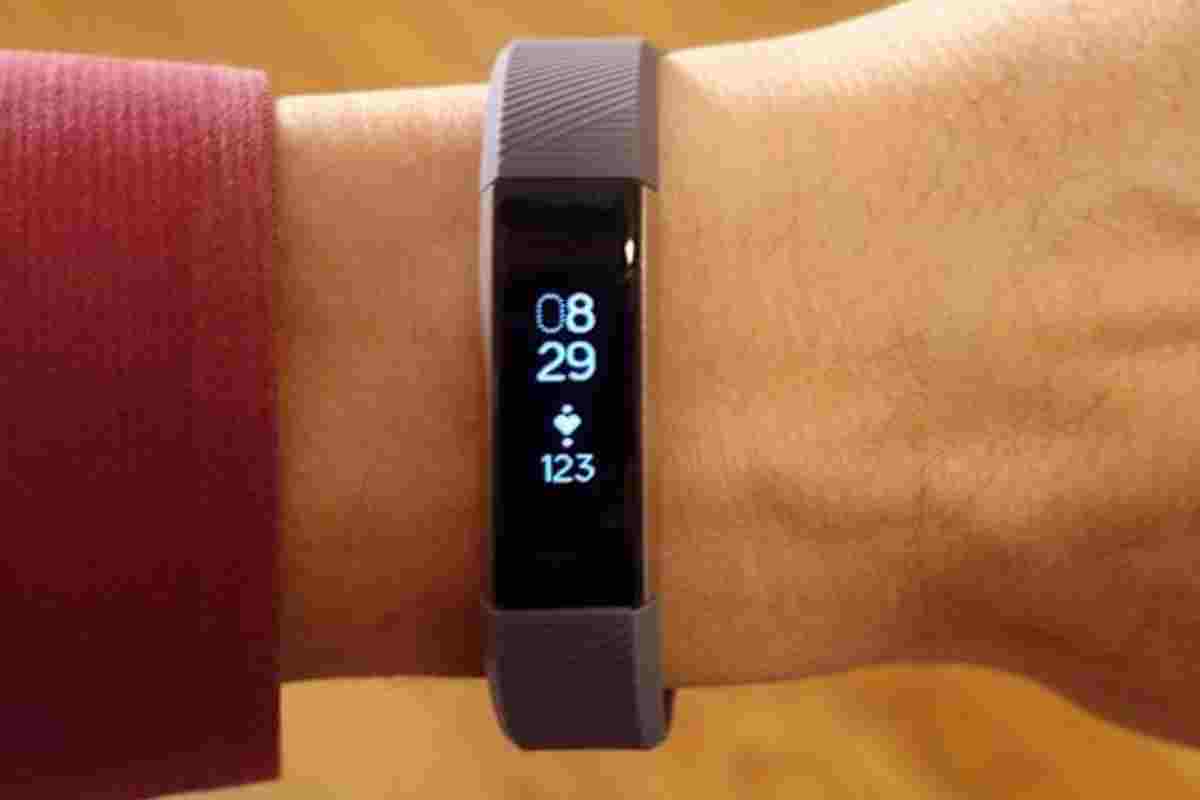
The Fitbit Alta HR was designed for people who wanted to stay active without wearing a bulky sports watch. Its slim profile, interchangeable bands, continuous heart-rate monitoring, and sleep-tracking features made it an appealing option for everyday fitness. Instead of focusing on advanced athletic performance, the tracker aimed to make activity and wellbeing information part of a person’s daily routine.
The addition of Fitbit’s PurePulse heart-rate technology was the main improvement over the original Fitbit Alta. It allowed the device to record heart rate throughout the day and night, helping users understand their activity levels, resting heart rate, and sleep patterns.
However, a small fitness band cannot replace every function of a dedicated sports watch. Its compact design comes with compromises, including a small monochrome display, limited workout features, and no built-in GPS. Understanding these trade-offs helps explain who the Fitbit Alta HR suits best.
Table of Contents
A Slim Fitness Bracelet Designed for Everyday Activity
The Fitbit Alta HR follows a simple design philosophy: make fitness tracking comfortable enough to wear throughout the day. Its slim body and lightweight construction allow it to sit discreetly on the wrist, whether the wearer is working at a desk, walking outdoors, or relaxing at home.
Unlike larger sports watches, the Alta HR does not dominate the wrist. Its narrow shape also makes it easier to wear alongside ordinary clothing. This everyday appearance was an important part of its appeal, especially for people who wanted fitness information without the appearance of specialised sports equipment.
The tracker records steps, estimated distance, calories burned, and active minutes. These measurements provide a practical overview of daily movement. For someone trying to become more active, seeing progress towards a daily step goal can be a useful reminder to take the stairs, walk during a break, or avoid sitting for too long.
Still, these numbers should be treated as estimates rather than exact measurements. Step counts can vary with arm movement, and distance calculations are less reliable without GPS. Calorie estimates also depend on assumptions about activity and the user’s physical characteristics.
The real benefit is consistency. By wearing the band regularly, users can compare activity patterns across days and weeks rather than relying on memory alone.
Customisable Bands and Personal Style
The Alta HR was available in several colour options and compatible with interchangeable bands. Depending on the version and market, buyers could choose sporty elastomer straps, leather options, and more decorative metal finishes.
This flexibility helped the tracker suit different situations. A classic sport band was practical for walking and everyday exercise, while a more formal strap could make the device look less like gym equipment.
The fastening system also mattered because a heart-rate tracker needs stable contact with the wrist. A band that is too loose may affect sensor readings, while an excessively tight fit can cause discomfort, especially during sleep.
Buyers exploring wearable accessories should distinguish between a replacement strap that fits the Alta HR and bands designed for other devices. For example, Galaxy Watch bands are intended for compatible Samsung Galaxy Watch models, so their attachment systems and dimensions should not be assumed to fit a Fitbit tracker.
For the Alta HR, the most useful strap is one that holds the sensor securely without irritating the skin. People with sensitive skin should also keep the band clean and dry, particularly after exercise or prolonged wear.
OLED Touchscreen: Simple Information, Limited Space
The Fitbit Alta HR uses a small monochrome OLED touchscreen. Its compact display presents information such as the time, steps, heart rate, distance, estimated calories, and smartphone notifications.
Instead of navigating through a large collection of menus, users tap the screen to move between information displays. Double-tapping or turning the wrist can activate the screen, although responsiveness may vary with movement, positioning, and the condition of the device.
The monochrome display helps maintain the tracker’s simple appearance, but it is not ideal for everyone. Small text can be difficult to read, and the screen offers less space than a smartwatch or smartphone. Its visibility can also be limited in bright outdoor conditions.
The touch interface has no conventional physical navigation buttons. This keeps the design clean, but it also means users must rely on tapping the display. Reviews reported that the touchscreen could occasionally feel unresponsive, which made navigating the information less convenient.
For people who mainly want quick updates, the screen is adequate. Those who prefer larger text, colourful graphics, maps, or detailed workout statistics would be better served by a larger wearable or mobile device.
A tablet offers a different solution for reviewing detailed information. Devices such as the Huawei MediaPad provide a much larger display for reading reports, browsing health dashboards, and viewing charts. A tablet does not replace the Alta HR’s wrist-based sensors, but it illustrates why a larger screen can be more useful for examining information in detail.
PurePulse Heart-Rate Monitoring
The defining feature of the Fitbit Alta HR is its PurePulse optical heart-rate sensor. The tracker uses light-based sensing to estimate heart rate through the wrist, collecting readings throughout the day and during sleep.
Heart-rate information adds context to basic step counting. Two walks may produce similar step totals but different heart-rate responses because of pace, hills, temperature, or individual fitness. Over time, users can compare these patterns and gain a broader picture of their activity.
The Alta HR also records resting heart rate. Tracking this measurement over time can help users observe personal trends, although changes can reflect many factors, including stress, sleep, hydration, illness, and exercise.
Independent testing found that the sensor could provide useful readings during everyday activity and moderate exercise. However, wrist-based optical sensors can struggle when movement becomes intense or irregular. Fit, sweat, wrist movement, and the speed of changes in heart rate may all affect results.
For this reason, the Alta HR is better suited to general activity awareness than precise athletic training. Users who need detailed interval training, advanced performance metrics, or highly responsive heart-rate data should consider a more specialised device.
For example, the Garmin Fenix 7 is designed for people who want more extensive sports features, training tools, and outdoor navigation capabilities. It serves a different audience from the Alta HR, which prioritises a slim design and simple daily tracking.
It is also important to remember that a consumer fitness tracker is not a medical diagnostic device. Its readings can support personal awareness, but they should not replace professional assessment when someone has health concerns.
Automatic Exercise Recognition and Activity Tracking
The Alta HR can automatically recognise certain activities through Fitbit’s SmartTrack feature. Supported activities include common forms of movement such as walking, running, cycling, and some other exercises.
Automatic recognition reduces the need to start a workout manually every time. This is useful for people who take spontaneous walks or cycle as part of their daily routine. The tracker can record activity and add it to the information available in the Fitbit app.
However, automatic recognition has limitations. Some activities may be missed, misclassified, or recorded with an imperfect start time. The device also lacks the extensive sport profiles and manual workout controls found on more advanced fitness watches.
Another limitation is the absence of built-in GPS and connected GPS functionality. Distance measurements therefore rely on estimates rather than a GPS route recorded by the tracker or a connected phone. This makes the Alta HR less suitable for runners who want precise routes, pace data, and detailed outdoor navigation.
For casual users, estimated distance and activity duration may be enough to encourage regular movement. For serious runners, cyclists, or hikers, those measurements may not provide the detail needed for training decisions.
The best way to use the Alta HR is to focus on longer-term trends. A consistent increase in weekly activity can be more meaningful than treating every individual step count or calorie estimate as exact.
Sleep Tracking and Daily Recovery Insights
Sleep tracking is one of the Alta HR’s more useful features. Because the tracker can monitor movement and heart rate overnight, it offers more information than a simple step counter.
The Fitbit app estimates sleep stages, including light, deep, and REM sleep, and records periods when the wearer appears to be awake. It can also provide sleep-related insights based on patterns over time.
These estimates can help users notice changes in bedtime, sleep duration, and consistency. For example, comparing sleep records across several weeks may reveal that late nights or irregular schedules coincide with shorter sleep periods.
However, the Alta HR does not directly measure brain activity. Its sleep-stage information is inferred from movement and physiological signals, so it should not be treated as a clinical sleep assessment. A restless period may be interpreted incorrectly, and the device may not identify every awakening accurately.
The most useful approach is to focus on broad patterns rather than worrying about individual sleep-stage scores. Regular sleep times, sufficient sleep opportunity, and how rested a person feels remain important considerations.
The app’s insights can be helpful, but they cannot guarantee better sleep. The tracker provides information; changing habits still requires consistent effort.
Smartphone Notifications and Connected Features
The Alta HR can display selected smartphone notifications, allowing users to glance at incoming calls, text messages, and supported alerts without immediately reaching for their phone. This is convenient during walks, work breaks, or other situations where checking a phone repeatedly may be distracting.
The experience is more limited than a full smartwatch. The small display restricts how much information can be shown, and the device does not provide the same range of apps, interactive replies, or advanced controls found on more capable wearables.
Notification reliability also depends on phone compatibility, Bluetooth connectivity, application permissions, and the settings configured in the Fitbit app. Users should check these settings if alerts fail to appear.
For home-office users, connected accessories serve other purposes. A wireless webcam can support video calls and remote meetings, while the Alta HR focuses on personal activity and wrist notifications. These devices are not interchangeable, but both illustrate how connected technology can support different parts of a daily routine.
The key is to select features that genuinely help. Too many alerts can become distracting, so customising notifications may make the Alta HR more useful.
Battery Life and Charging
Fitbit advertised up to seven days of battery life for the Alta HR. Independent reviews generally found that it could last around six days to a week, although actual results depended on usage, notification frequency, and tracking conditions.
This endurance is an advantage for a device intended to be worn both day and night. Fewer charging interruptions make it easier to maintain continuous activity and sleep records.
The tracker uses a dedicated charging cable rather than a standard USB-C connector. Owners should keep the original compatible charger safe because a generic cable may not fit or charge the device correctly.
Battery capacity can also decline as the device ages. Since the Alta HR is an older model, someone buying a used unit should check how quickly the battery drains and whether charging works reliably.
A portable Bluetooth speaker, such as the Anker Soundcore 2, can complement an active lifestyle by providing music during compatible activities or at home. It serves a different purpose, however: the speaker handles audio playback, while the Alta HR tracks movement and heart rate.
Water Resistance and Durability
One major limitation of the Fitbit Alta HR is that it is not designed for swimming or underwater use. Although it can tolerate some everyday exposure to sweat and splashes, users should not treat it as a waterproof fitness band.
Removing the tracker before showering or swimming is the safer choice. After exercise, wiping the device and strap dry can also help maintain comfort and reduce skin irritation.
People who need a device for swimming or regular water-based exercise should check the manufacturer’s stated water-resistance rating before buying. Water resistance differs between products, and marketing terms should not be treated as a guarantee against every type of water exposure.
The same principle applies when comparing other electronics. Waterproof tablets are a separate product category, and their suitability for wet environments depends on the specific model’s certified protection. A tablet’s rating does not indicate anything about the Alta HR’s durability.
Because the Alta HR has been discontinued, buyers should also inspect the screen, casing, strap attachment, charging contacts, and sensor area when purchasing second-hand. Visible damage or unreliable charging may reduce its practical value.
Fitbit Alta HR: Main Strengths and Limitations
The Alta HR’s strongest advantage is its combination of a slim design and continuous heart-rate tracking. It is comfortable enough for many users to wear throughout the day and night, and its sleep features provide additional context beyond step counting.
Its battery life is also practical, while automatic exercise recognition reduces the need to manage every activity manually. The Fitbit app brings these measurements together, making it easier to review patterns over time.
The compromises are equally clear. The screen is small, touch response can be inconsistent, and notification features are basic. There is no GPS, no advanced sports-training system, and no suitability for swimming. Its heart-rate readings are useful for general awareness but are not guaranteed to match specialist equipment in every situation.
These limitations matter more today because the Alta HR is an older tracker. Before buying one, check current phone compatibility, the condition of the battery, charger availability, and whether the Fitbit app and services provide the features you need.
Final Verdict: Is the Fitbit Alta HR Worth Considering?
The Fitbit Alta HR was a compelling everyday fitness tracker for people who wanted a discreet device with useful heart-rate and sleep monitoring. Its lightweight design, interchangeable bands, automatic activity recognition, and week-long battery life made it easy to incorporate into daily routines.
It was never intended to be a full sports watch, and its limitations reflect that focus. People who need GPS routes, advanced workout statistics, swimming support, or extensive smartwatch functions should look at newer and more specialised alternatives.
Today, the Alta HR makes the most sense as an older device for basic activity tracking, provided it is affordable, functional, and compatible with the user’s phone. Its value depends heavily on its condition and the availability of the features and services the buyer expects.
Ultimately, the most effective fitness tracker is one that encourages consistent habits without making everyday life more complicated. The Fitbit Alta HR was designed around that idea. Its slim construction and straightforward tracking remain appealing, but buyers should weigh those strengths against its age and limited capabilities before making a decision.