
Table Of Contents
- Why Short City Trips Are Ready For Change
- How Driverless Ride-Hailing Works
- What Riders May Gain
- How It Could Support Public Transit
- Safety, Oversight And Public Trust
- Accessibility And Service Gaps
- What Cities May Need To Change
- The Limits And Open Questions
- How Riders Can Prepare
- Conclusion
For many city residents, the hardest part of a trip is not traveling a long distance. It is covering the short gap between home and a station, a medical office and a bus stop, or a workplace and a parking-free downtown block. A robotaxi could become another option for those trips, alongside walking, cycling, public transit, taxis, and conventional ride-hailing.
Driverless ride-hailing is not a universal replacement for cars or transit. Its usefulness will depend on where it operates, how safely it operates, how easy it is to use, and whether it solves a genuine transportation problem rather than adding traffic to already crowded streets.
Why Short City Trips Are Ready For Change
Short urban trips are often repeated, time-sensitive, and inconvenient. Weather, steep hills, limited parking, heavy traffic, and gaps between transit lines can turn a simple two-mile trip into a difficult one. A driverless ride may fit best as a connector, such as taking a passenger from a rail station to an office, hospital, school, or apartment. The real value is not simply convenience. It is whether the service saves time, expands access, or makes a multimodal trip more practical.
How Driverless Ride-Hailing Works
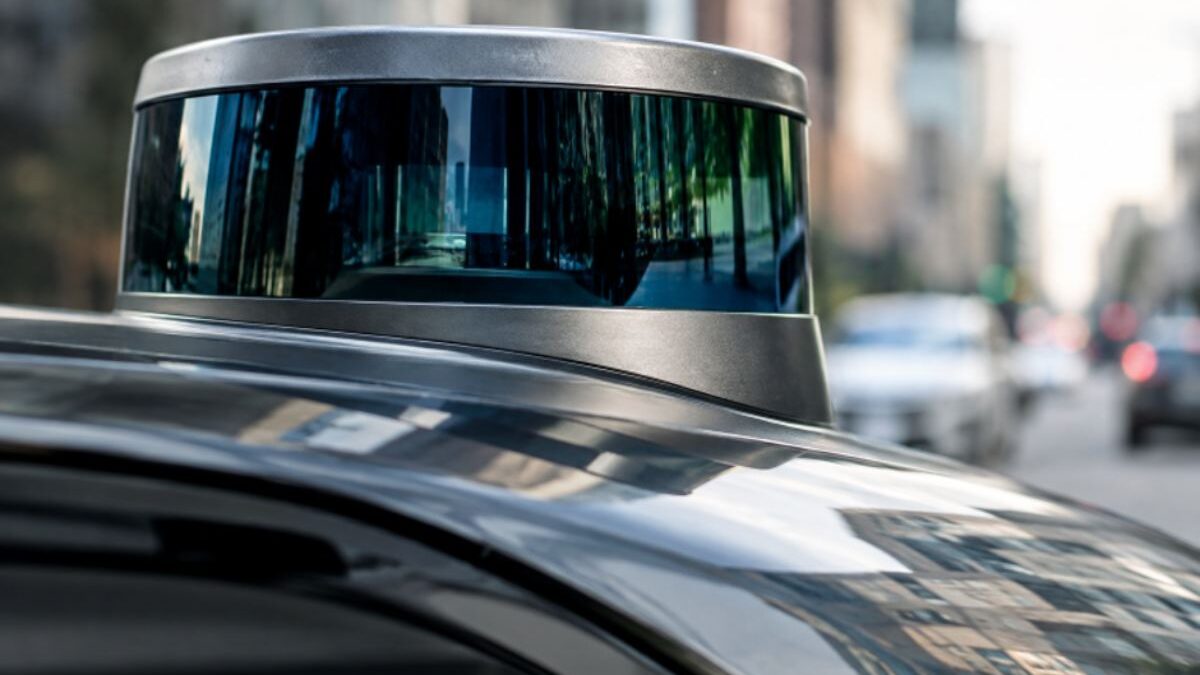
In a typical trip, a rider requests a vehicle through an app, confirms a designated pickup point, unlocks the vehicle, and follows in-car instructions during the ride. The vehicle uses onboard sensors, maps, and software to navigate within its approved service area. Customer support may be available through the app or vehicle interface if a rider needs assistance.
It is important to distinguish this model from driver-assistance technology. Driver-assistance features can help a human driver with tasks such as braking, steering, or lane positioning. Fully autonomous ride-hailing is intended to complete the driving task without a person behind the wheel during approved operations.
What Riders May Gain
- More usable travel time: A passenger may be able to read, work, rest, or handle messages instead of driving.
- Less parking pressure: Riders can arrive near their destination without searching for parking or returning to their parked vehicle later.
- Potentially steadier availability: Fleet schedules may extend beyond typical commuting periods, subject to local service limits.
- Clearer pickups: Digital pickup instructions may reduce confusion near busy venues and transit hubs.
- Different cost structures: Prices could change over time, but charging, maintenance, insurance, cleaning, and fleet operations still carry costs.
None of these benefits is automatic. A ride that is difficult to summon, slow to arrive, or unable to reach a needed destination may offer little advantage over a bus, taxi, bike, or walk.
How It Could Support Public Transit
Driverless ride-hailing may be most useful when it complements high-capacity transit rather than competes with it. A rider could walk to a nearby pickup point, take an autonomous vehicle to a rail station, ride the train across the city, and use another short ride for the final stretch to work. The same approach could help late-night travelers after limited bus service ends or provide backup transportation during a disruption.
Planning matters. If automated rides pull passengers away from efficient bus or rail routes, they can weaken the transportation network. If they solve the first- and last-mile gaps, they may make transit more useful to more people.
Safety, Oversight And Public Trust
Safety will remain the central public question. A reliable service must handle ordinary traffic and unusual situations, including pedestrians, cyclists, emergency vehicles, construction zones, blocked lanes, and sudden road closures. The federal safety guidance for automated vehicles reflects the continuing need to evaluate how these systems operate on public roads.
Questions Riders Should Ask
- How can I contact support during a trip?
- What happens if the vehicle stops unexpectedly?
- How are crashes, incidents, and service failures reported?
- What rider information is collected, and how is it protected?
Accessibility And Service Gaps
Removing the driver does not automatically make transportation accessible. A useful service must account for riders with mobility devices, visual impairments, temporary injuries, limited smartphone access, or a need for extra time at pickup and drop-off. Vehicle design, curb locations, payment choices, instructions, and customer support all affect whether a trip works for someone who cannot easily drive or use existing transit.
What Cities May Need To Change
Autonomous fleets could change how cities manage curbs, parking, and traffic flow. Airports, hospitals, schools, and entertainment districts may need clearly marked pickup areas that do not block buses, bike lanes, crosswalks, or emergency access. Cities will also need to consider where vehicles charge, wait, and receive maintenance. The federal transportation role in automated vehicles exists alongside state and local decisions about roadway operations, permits, and curb management.
The Limits And Open Questions
Early services may operate only in selected neighborhoods and under specific conditions. Difficult weather, complex street layouts, special events, and changing construction patterns can make operations harder. Prices may not always beat conventional ride-hailing, and a vehicle traveling empty between trips could add congestion if fleet operations are poorly managed. Driverless transportation may also change work in driving, dispatch, maintenance, cleaning, customer service, and fleet support.
How Riders Can Prepare
- Confirm that the service covers both the pickup location and destination.
- Read pickup instructions before requesting a ride.
- Keep a charged phone and a backup travel plan.
- Review policies for children, luggage, pets, and mobility devices.
- Know how to reach customer support before the trip starts.
- Allow extra time when trying a new service or traveling during peak demand.
- Compare the trip with transit, walking, cycling, taxis, and conventional ride-hailing.
Conclusion
Driverless ride-hailing is likely to become one piece of a larger urban transportation system, not a single answer to every travel need. Its long-term value will depend on safe operations, fair access, dependable support, thoughtful street design, and strong connections to public transit. The most important question is not whether autonomous vehicles can replace every trip, but where they can make everyday travel safer, simpler, and more useful without creating new problems.