
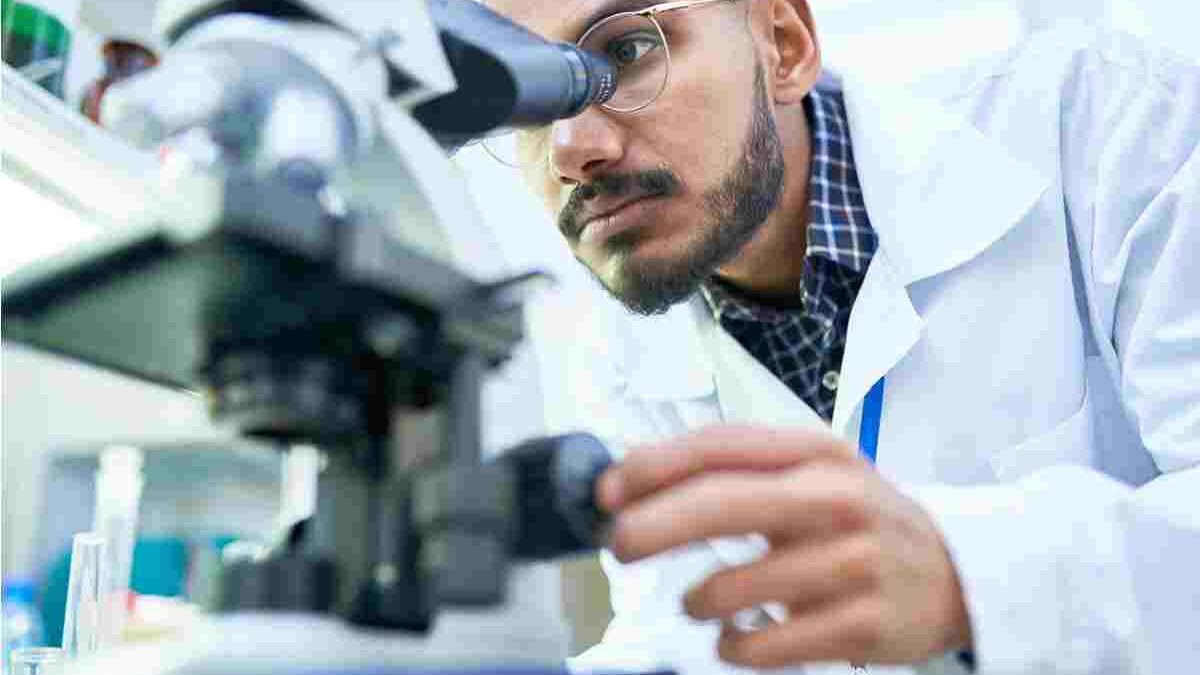

A career in medical laboratory science can be both challenging and rewarding. Medical lab scientists play an important role in healthcare. They perform tests that help doctors diagnose diseases, monitor treatments, and protect patient health.
Although they often work behind the scenes, their work has a direct impact on medical decisions. Accurate test results help doctors understand a patient’s condition and choose suitable treatment.
If you are interested in science, healthcare, and laboratory work, this career may be worth exploring. However, you should understand the education, practical skills, and professional requirements before choosing this path.
Table of Contents
Understanding the Role of a Medical Lab Scientist
Medical lab scientists, also known as clinical laboratory scientists, examine samples such as blood, urine, and body tissues. They use specialised equipment and testing methods to identify infections, diseases, and other health conditions.
Their work supports doctors and other healthcare professionals. For example, a blood test can help identify anaemia, while a microbiology test can help detect harmful bacteria.
Common responsibilities include:
- Collecting and preparing laboratory samples
- Performing diagnostic tests
- Operating laboratory instruments
- Examining blood cells and tissue samples
- Identifying bacteria and other microorganisms
- Recording and reviewing test results
- Maintaining laboratory equipment
- Following safety and quality standards
Medical lab scientists must work with great care. Even a small testing error can affect a patient’s diagnosis or treatment. Therefore, accuracy and attention to detail are essential.
They also follow strict safety procedures. These rules help prevent contamination and protect laboratory staff, patients, and the wider healthcare team.
Educational Pathways for Aspiring Medical Lab Scientists
A bachelor’s degree is a common starting point for people who want to become medical lab scientists. Students may choose a degree in medical laboratory science or a related subject, depending on the requirements in their country.
Typical subjects include:
- Biology
- Chemistry
- Microbiology
- Immunology
- Haematology
- Clinical biochemistry
- Human anatomy and physiology
These subjects help students understand how the human body works and how laboratory tests detect health problems.
Why Practical Training Matters
Classroom learning provides scientific knowledge. However, practical training helps students apply that knowledge.
Many programmes include laboratory practice, clinical placements, or supervised internships. During this training, students learn how to handle samples, operate testing equipment, follow safety rules, and report results.
This experience also helps students understand the daily responsibilities of a medical laboratory.
Advanced Education Options
Some professionals choose to pursue a master’s degree in medical laboratory science. Advanced study can help them develop specialised knowledge, research skills, and leadership abilities.
A master’s degree may support career growth in areas such as laboratory management, education, research, and specialised testing. However, the right qualification depends on the job and local professional requirements.
Students should also explore different career paths before selecting a degree. For example, those interested in technology and creative development can learn about career opportunities in game development.
Certification and Licensing Requirements for Lab Professionals
Certification helps demonstrate that a medical lab scientist has the knowledge and skills required for professional work. Many employers prefer or require recognised certification.
The exact requirements depend on the country and state where you plan to work. In the United States, for example, certification may be offered by recognised professional organisations. Some states also require a separate licence.
Before applying for a programme, check the rules in your intended work location. Make sure your degree and practical training meet the required standards.
Why Continuing Education Is Important
Medical technology changes over time. New testing methods, laboratory instruments, and safety procedures continue to improve healthcare services.
Therefore, medical lab scientists need to keep learning throughout their careers. They may attend professional workshops, complete training courses, or study new laboratory methods.
Quality improvement is also an important part of laboratory work. Professionals can benefit from learning how organisations improve processes and reduce errors. A related option is Lean Six Sigma certificate training, which introduces methods for improving efficiency and quality.
Skills Required to Become a Medical Lab Scientist
A medical lab scientist needs both technical knowledge and personal skills. Scientific education is important, but it is not the only requirement for success.
Here are some useful skills to develop.
Attention to detail: Laboratory tests require careful handling and accurate reporting. Scientists must notice small changes and follow instructions correctly.
Analytical thinking: Professionals need to review results, identify unusual findings, and understand when a test may need further investigation.
Technical ability: Medical laboratories use specialised instruments and computer systems. Scientists should feel comfortable learning and operating new equipment.
Communication: Lab professionals share results and important information with doctors, supervisors, and other team members. Clear communication helps prevent mistakes.
Time management: Many laboratories handle a large number of samples every day. Scientists must organise their work while maintaining accuracy.
Problem-solving: Equipment problems, unusual results, and sample errors can occur. Professionals need to follow the correct procedures to resolve these issues.
Navigating the Job Market and Career Advancement Opportunities
Medical lab scientists can work in different healthcare and research settings. Hospitals are common employers, but diagnostic laboratories, research centres, public health facilities, and biotechnology companies may also offer opportunities.
The exact job market depends on location, qualifications, and experience. Therefore, students should research local employment requirements before completing their studies.
Common Career Opportunities
After gaining the required qualifications, professionals may explore roles such as:
- Medical Laboratory Scientist
- Clinical Laboratory Technologist
- Haematology Technologist
- Microbiology Technologist
- Clinical Chemistry Technologist
- Molecular Diagnostics Technologist
- Laboratory Quality Specialist
Some professionals choose to specialise in a particular area. For example, a microbiology specialist studies microorganisms, while a molecular diagnostics professional works with advanced testing methods.
Career Growth and Leadership Roles
With experience, medical lab scientists may move into supervisory or management positions. They may lead laboratory teams, manage equipment, review quality procedures, or train new employees.
Some also move into research and education. These roles allow experienced professionals to contribute to new testing methods and help train future laboratory staff.
Teamwork becomes especially important as professionals take on larger responsibilities. Those who work on projects or coordinate teams may also benefit from understanding project management approaches, including the role of a Scrum Master.
Challenges of Working as a Medical Lab Scientist
Like other healthcare careers, medical laboratory science has challenges. Understanding them can help you decide whether this profession suits your interests.
High responsibility: Test results can influence important medical decisions. Scientists must maintain accuracy and follow approved procedures.
Busy work environments: Hospitals and diagnostic laboratories may handle many samples, especially during emergencies.
Exposure to biological samples: Professionals must follow safety guidelines when handling blood, tissues, and other materials.
Continuous learning: New technology and testing methods require regular training.
Shift work: Some hospitals and laboratories operate throughout the day and night. This may require evening, weekend, or overnight shifts.
Despite these challenges, many professionals find the work meaningful because it supports patient care and medical progress.
Is Medical Laboratory Science a Good Career Choice?
Medical laboratory science may suit people who enjoy biology, chemistry, technology, and detailed scientific work. It can also be a good option for those who want to contribute to healthcare without working directly with patients every day.
Before choosing this career, consider your interests, educational plans, and local job requirements. Speak with working professionals if possible. You can also compare degree programmes and their practical training opportunities.
Most importantly, choose an accredited programme that meets the professional requirements in your intended work location.
Final Thoughts
Becoming a medical lab scientist requires education, practical experience, and a strong commitment to accuracy. These professionals play an essential role in disease diagnosis, treatment decisions, and healthcare research.
The career offers several possible paths, from diagnostic testing to laboratory management and research. However, success depends on continuous learning, technical skills, and careful work.
If you enjoy science and want to support better healthcare, medical laboratory science may be a rewarding career to consider.