
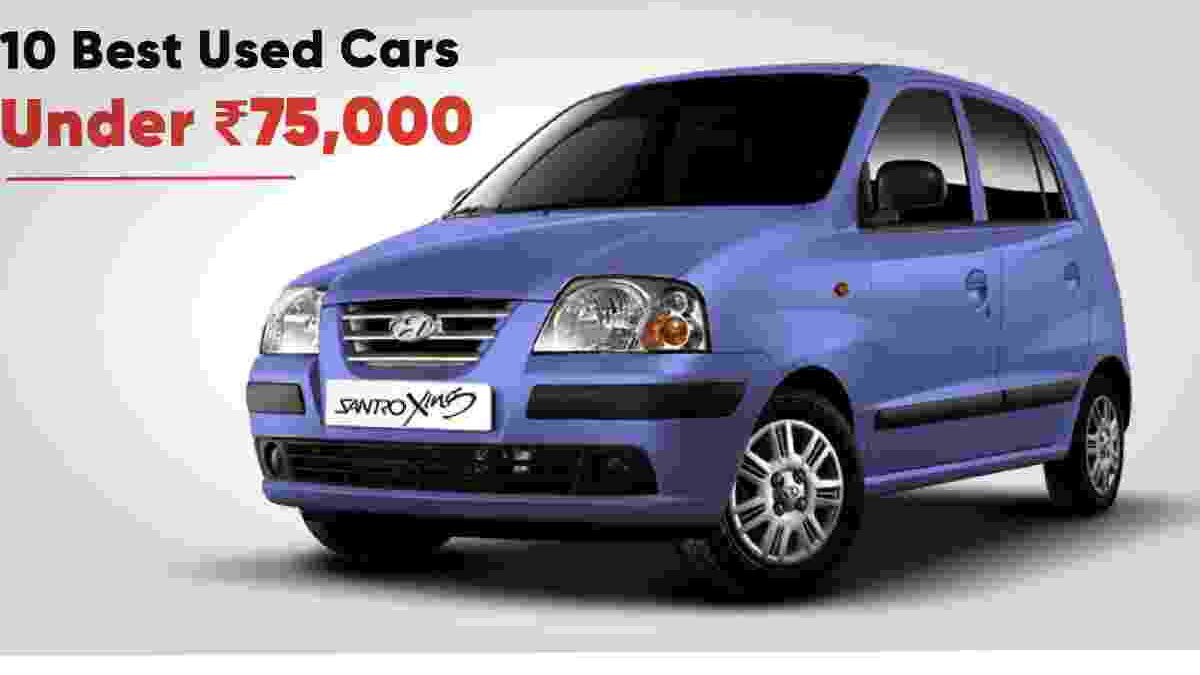
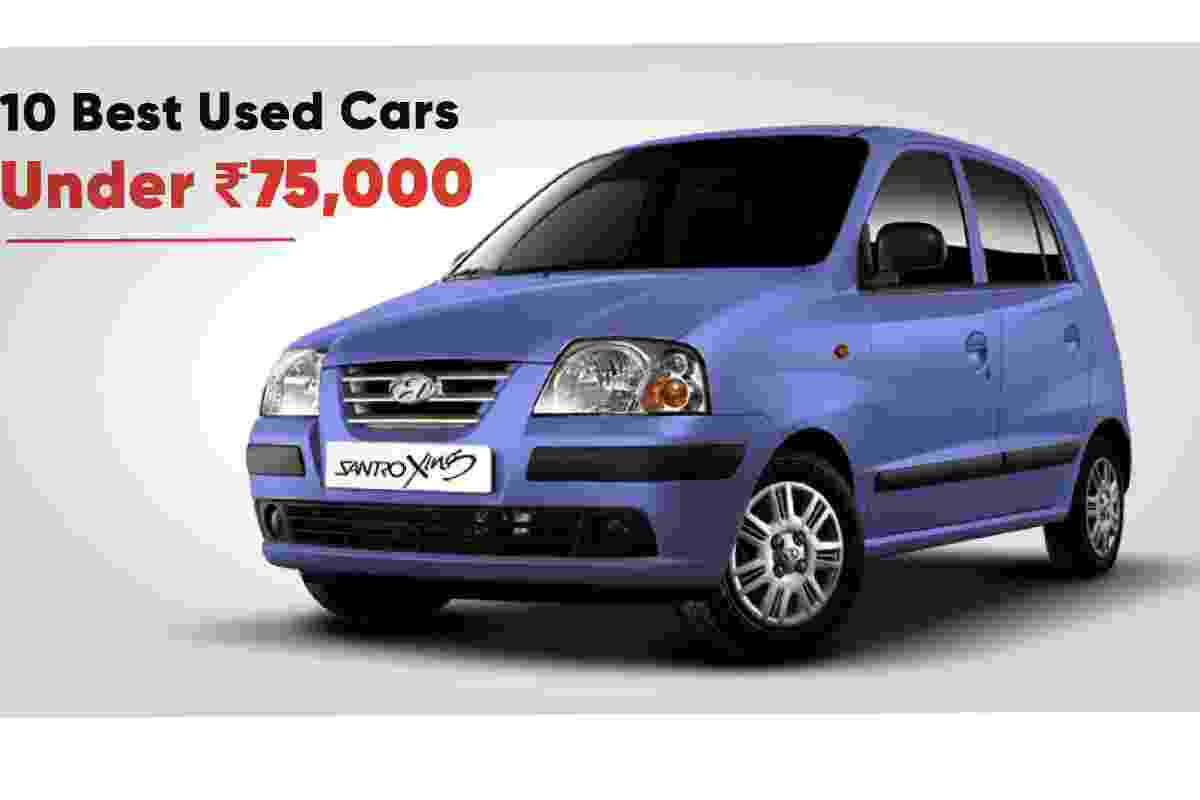
Buying a second-hand vehicle can be a practical way to enjoy the convenience of personal transportation without paying the high price of a brand-new car or motorcycle. As daily travel requirements continue to grow, many people prefer having their own vehicle rather than depending on taxis, public transport, or ride-hailing services. Personal transportation offers greater flexibility, saves time, and makes it easier to travel according to individual schedules.
However, purchasing a new vehicle is not affordable for everyone. Used cars and motorcycles provide an alternative for buyers who want reliable transportation at a more manageable cost. The second-hand vehicle market also offers a wide range of makes, models, and price options, allowing buyers to find a vehicle that suits their preferences and budget.
Many dealerships, online marketplaces, websites, and mobile applications now make it easier to compare used vehicles and find suitable deals. Buyers can explore different models, review vehicle details, and contact sellers before making a decision. However, choosing the right vehicle requires careful research and inspection. A low price does not always mean good value, particularly if the vehicle has hidden mechanical problems or incomplete documentation.
Understanding what to check before purchasing a used vehicle can help you avoid unnecessary expenses and make a more confident decision.
Table of Contents
Why Consider Buying a Second-Hand Vehicle?
One of the main reasons people choose used vehicles is affordability. A second-hand car or motorcycle generally costs less than a comparable new model. This can make vehicle ownership accessible to buyers who have limited budgets or do not want to commit to a large purchase.
Another advantage is the wider selection available in the used vehicle market. Buyers can explore different brands, models, features, and vehicle categories. Someone who cannot afford a particular model when buying new may be able to purchase an older version in the second-hand market.
Used vehicles can also offer practical value when they have been properly maintained. A car with a reasonable service history, good mechanical condition, and complete documentation may provide dependable transportation for years.
Before choosing a vehicle, consider your daily travel requirements. A small car may be suitable for city commuting, while a larger vehicle may be more practical for family travel. Similarly, a scooter or motorcycle may be a convenient option for people who primarily travel short distances.
Set Your Budget and Choose the Right Vehicle
Before visiting a dealership or contacting a private seller, decide how much you can comfortably spend. Your budget should include more than the vehicle’s advertised price. Additional expenses may include registration transfer, insurance, maintenance, repairs, fuel, and any outstanding taxes or fees.
Once you establish a budget, shortlist vehicles that match your transportation needs. Compare different models based on fuel efficiency, reliability, availability of spare parts, maintenance costs, safety features, and resale value.
It is also useful to research the vehicle’s market price. Comparing similar models with comparable manufacturing years, mileage, and condition can help you recognise whether a seller is offering a reasonable deal.
Buyers who are also interested in the wider automotive and transportation environment may find it useful to understand how the design of modern buildings influences parking facilities, vehicle access, and the planning of residential and commercial spaces. These considerations can matter when deciding where and how you will regularly use and park your vehicle.
Check the Vehicle’s History and Insurance Records
One of the most important steps when buying a second-hand vehicle is checking its history. Ask the seller for available service records, insurance details, registration information, and documentation relating to previous accidents or major repairs.
A vehicle history report can help identify important issues, including reported accidents, ownership changes, outstanding finance, or other recorded problems. However, not every issue will necessarily appear in a report, so it should not replace a physical inspection.
Insurance information also deserves attention. Check whether the vehicle has valid insurance and review its previous insurance records where available. Ask about any major claims and repairs that may affect its condition or value.
In India, buyers should also verify the registration certificate, chassis number, engine number, and other relevant details against the official documents. Make sure the seller has the legal authority to transfer ownership and that there are no unresolved issues affecting the transfer.
Never rely entirely on verbal assurances. Request supporting documents and verify important details before making payment.
Inspect the Vehicle’s Exterior and Interior
A thorough physical inspection can reveal problems that may not be obvious from photographs or an online advertisement. Examine the vehicle carefully before agreeing to purchase it.
Start with the exterior. Look for scratches, dents, rust, damaged panels, paint differences, and signs of previous repairs. Uneven gaps between body panels may indicate that the vehicle has been involved in an accident or has undergone repair work.
Check the tyres for uneven wear, cracks, and sufficient tread depth. Uneven tyre wear may indicate alignment, suspension, or other mechanical problems that require further investigation.
Next, inspect the interior. Check the seats, dashboard, steering wheel, windows, door locks, seat belts, air conditioning, lights, and other electrical features. Make sure all important controls work properly.
Look for water damage, unusual smells, excessive wear, or signs that the interior has been modified to hide existing problems. A vehicle’s condition should be consistent with its age and the mileage shown on the odometer.
For motorcycles and scooters, inspect the frame, tyres, brakes, suspension, chain, lights, indicators, and engine area. Check for oil leaks and signs of previous damage.
Examine the Engine, Brakes, and Mechanical Condition
The mechanical condition of a used vehicle is just as important as its appearance. A vehicle may look attractive but still have serious engine, transmission, suspension, or braking problems.
Start the engine and listen for unusual noises, excessive vibration, or difficulty starting. Check whether warning lights remain illuminated after the engine starts. Look for visible fluid leaks and ask about any recent mechanical repairs.
The braking system requires particular attention because it directly affects road safety. During a test drive, check whether the brakes respond smoothly and bring the vehicle to a controlled stop. Any unusual noise, vibration, or pulling to one side should be investigated.
For cars, test the steering, clutch, gearbox, suspension, and acceleration. For motorcycles and scooters, check the clutch operation, gear changes where applicable, throttle response, and suspension performance.
If you are not confident about evaluating mechanical condition, arrange an inspection with a qualified mechanic. An independent professional can identify issues that an ordinary buyer may overlook and provide an estimate of likely repair costs.
Take a Proper Test Drive Before Purchasing
A test drive is an essential part of buying a second-hand vehicle. It allows you to understand how the vehicle performs in real driving conditions rather than relying only on its appearance or the seller’s description.
Start by checking the vehicle while it is stationary. Make sure the engine starts properly and that the dashboard warning lights behave as expected. Adjust the seat and mirrors, and check visibility before moving.
During the drive, pay attention to acceleration, steering response, gear changes, braking, suspension, and unusual sounds. Test the vehicle at different speeds within legal limits and in suitable conditions. Avoid aggressive driving or sudden manoeuvres that could put anyone at risk.
For cars, check whether the vehicle remains stable and whether the steering feels comfortable. For motorcycles and scooters, assess balance, braking response, engine performance, and overall handling.
If possible, drive on different types of roads to understand how the vehicle behaves in everyday situations. Do not allow the seller to rush the process. If you notice anything unusual, ask for an explanation and have the issue checked before proceeding.
Review Vehicle Technology and Safety Features
Modern vehicles include a growing range of technologies designed to improve convenience, safety, and driving performance. Depending on the vehicle’s age and model, these features may include parking sensors, rear-view cameras, anti-lock braking systems, airbags, electronic stability control, navigation systems, and connected entertainment features.
Before purchasing a used vehicle, check which features are included and whether they work correctly. Do not assume that every advertised feature is functional simply because it appears in the vehicle description.
Buyers should also understand how technology is changing the wider transportation industry. Developments such as self-driving gharry technology in Taipei illustrate the growing role of automation and smart systems in transportation. Although these developments are different from the features found in ordinary second-hand cars, they highlight why vehicle technology and safety systems deserve attention when comparing models.
For older vehicles, check whether essential safety equipment meets the standards applicable to the vehicle. A professional inspection can help determine whether important systems have been damaged, modified, or poorly maintained.
Check Vehicle Security and Key Ownership
Vehicle security is another important consideration when purchasing a used car, motorcycle, or scooter. Buyers should confirm that the seller has the original keys and that all available locking and security systems work properly.
Check the central locking system, door locks, ignition, alarm, immobiliser, and remote key functions where applicable. For motorcycles and scooters, inspect the ignition lock, steering lock, and other fitted security features.
Ask whether replacement keys have been made and whether any keys are missing. If the vehicle uses an electronic key or immobiliser system, confirm that the system can be transferred or reprogrammed correctly after the sale.
In situations where keys are missing, damaged, or need replacement, a qualified professional may be required. Resources such as A Lenny Locksmith in West Palm Beach provide an example of specialised locksmith services that can help with key and lock-related requirements.
Do not overlook security checks when purchasing from a private seller. Confirm that the vehicle is not stolen and that the person selling it has the legal right to transfer ownership.
Understand Vehicle Ownership and Documentation
Proper documentation is essential when buying a second-hand vehicle. Before completing the purchase, verify that the registration certificate and the seller’s identification details are consistent with the vehicle and the ownership records.
In India, buyers should review the following where applicable:
- Registration Certificate (RC)
- Valid motor insurance
- Pollution Under Control (PUC) certificate
- Chassis and engine number details
- Road tax and other applicable dues
- Pending traffic challans
- Loan or hypothecation status
- Required ownership transfer documents
- Service and maintenance records
If the vehicle was purchased through a loan, confirm that any outstanding finance has been settled and that the necessary hypothecation removal documents are available.
The buyer should also understand the ownership transfer process and complete the required formalities through the appropriate transport authority. Avoid paying the full amount without confirming that the transfer can be completed legally.
For vehicles purchased from another state, additional documentation and registration procedures may apply. Check the relevant requirements before finalising the transaction.
Consider Technology and Changing Vehicle Markets
Technology is influencing many industries, including automotive sales, vehicle management, and property development. Online marketplaces make it easier to compare used vehicles, while digital tools help buyers review specifications, photographs, prices, and seller information.
Technology is also changing the way people buy, sell, and manage property and transportation-related services. Understanding the impact of technology on the real estate industry provides a wider perspective on how digital platforms, automation, and data-driven tools are transforming property-related decisions.
For vehicle buyers, the practical lesson is to use online information as a starting point rather than a replacement for physical inspection. Compare listings, verify seller details, check vehicle records, and arrange a proper test drive before making a decision.
Plan for Long-Distance Travel and Vehicle Transportation
Think about how you intend to use the vehicle after purchasing it. If you regularly travel between cities or plan long road trips, the vehicle’s reliability, comfort, fuel efficiency, and maintenance history become particularly important.
A vehicle suitable for short city journeys may not be the best choice for frequent long-distance travel. Check the engine condition, tyres, brakes, cooling system, suspension, and service history before relying on it for extended journeys.
You should also consider the costs and practical requirements of moving a vehicle over long distances. Some buyers may choose to drive their newly purchased vehicle home, while others may prefer professional vehicle transportation services.
Before deciding, read about whether a road trip is really the smartest way to move your vehicle. Comparing driving costs with professional transportation options can help you select a safer and more practical approach.
Understand Interstate Vehicle Transfers
Buying a second-hand vehicle from another state can sometimes provide access to a wider selection or a better price. However, interstate purchases may involve additional paperwork, transportation arrangements, and registration requirements.
Before purchasing a vehicle from another state, confirm the seller’s ownership documents and check whether the vehicle has any outstanding loans, taxes, or legal restrictions. Ask about the process for obtaining the required documents and completing the registration transfer in your state.
Depending on the circumstances, buyers may need to arrange a No Objection Certificate (NOC), comply with applicable re-registration requirements, and pay relevant taxes or fees. The exact process can vary, so check with the appropriate Regional Transport Office (RTO) before making a commitment.
If you are arranging transportation between states, compare available options and confirm the delivery arrangements. You can also explore the difficulties of transferring vehicles between states to understand some of the practical challenges involved.
Planning these details in advance can help prevent delays, unexpected expenses, and documentation problems after the purchase.
Compare Online Marketplaces and Dealerships
Used vehicles are available through dealerships, online marketplaces, classified websites, and private sellers. Each option has its own advantages and potential risks.
Dealerships may offer several vehicles in one location and sometimes provide inspection reports or limited warranties. However, buyers should still check the vehicle independently and compare the asking price with the market value.
Online platforms make it easier to search for specific models, compare prices, and contact sellers. They can also provide photographs, specifications, and basic vehicle information. However, an attractive listing does not guarantee that the vehicle is in good condition.
When using an online marketplace, verify the seller’s identity and avoid making advance payments without appropriate checks. Arrange an in-person inspection and test drive before completing the transaction.
Private sellers may offer competitive prices, but buyers should be especially careful about ownership documents, service records, and the vehicle’s actual condition.
Negotiate the Price and Complete the Purchase
Once you have inspected the vehicle and reviewed its documentation, you can begin negotiating the price. Use comparable listings and the vehicle’s actual condition to decide what represents a reasonable offer.
If the inspection reveals worn tyres, damaged components, mechanical issues, or upcoming maintenance requirements, consider these expenses when negotiating. Ask the seller to address serious issues before the sale or adjust the price accordingly.
Before making payment, confirm the final agreed amount, the ownership transfer process, and the documents that will be provided. Obtain a written receipt or sale agreement containing the relevant vehicle and seller details.
Avoid rushing into a purchase simply because the seller claims that another buyer is interested. Taking time to complete the necessary checks is usually more valuable than securing a vehicle quickly.
Conclusion
Purchasing a second-hand vehicle can be an affordable and practical way to enjoy personal transportation. It gives buyers access to a wide range of cars, motorcycles, and scooters without the higher cost of purchasing a brand-new model.
However, finding the right vehicle requires careful research and inspection. Buyers should review the vehicle’s history, insurance, mechanical condition, exterior, interior, safety features, and ownership documents. A proper test drive and independent mechanic’s inspection can also help identify problems before money changes hands.
It is equally important to understand the ownership transfer process, check for outstanding dues, and consider any additional requirements when buying a vehicle from another state.
By comparing available options, verifying important details, and negotiating based on the vehicle’s actual condition, buyers can make more informed decisions. A careful approach can help you find a second-hand vehicle that meets your transportation needs, fits your budget, and provides dependable service over the long term.