
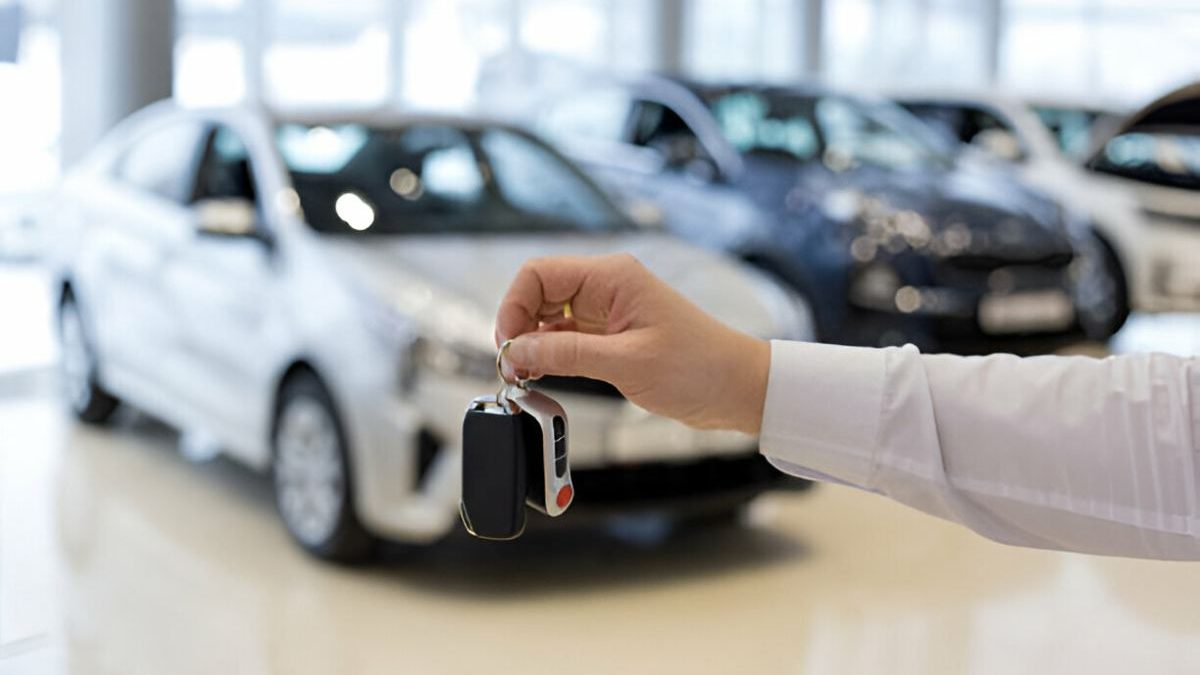
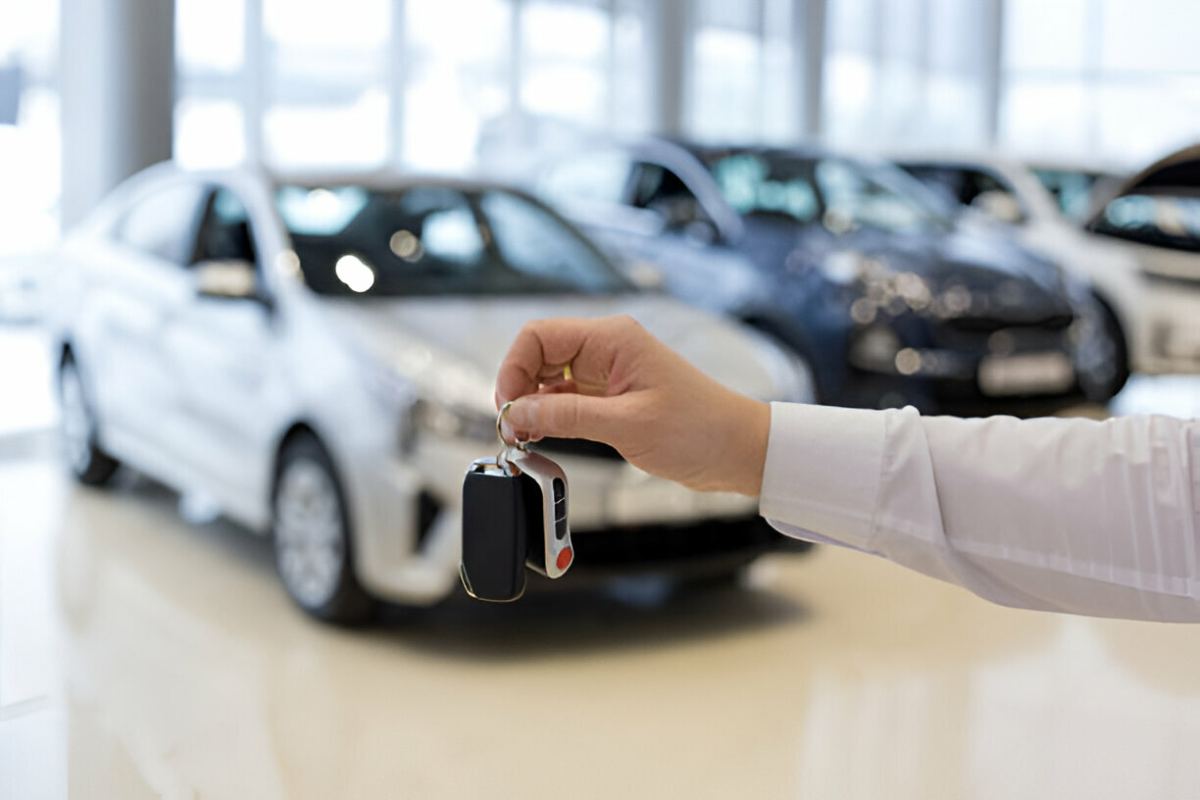
Starting a car dealership can be an exciting and rewarding venture for anyone passionate about automobiles and entrepreneurship. However, establishing a successful dealership requires careful planning, a clear strategy, and effective execution. From researching the market to building relationships with suppliers, every step plays an important role. Here are six essential steps to help you start your own car dealership.
Table of Contents
Step 1: Research and Develop a Business Plan
Every successful business begins with a solid plan. Research the local market to understand customer demand, competition, and the types of vehicles that sell well in your area. Decide whether you want to specialise in new cars, used cars, or both.
Your business plan should outline your target market, marketing strategies, operational structure, and financial projections. It should also explain how you intend to manage inventory, attract customers, and compete with other dealerships.
Having a clear roadmap will help guide your decisions and may also make it easier to attract potential investors or secure financing from banks. Before moving forward, make sure your business plan reflects realistic costs, market conditions, and long-term objectives.
Step 2: Secure Funding
Starting a car dealership requires significant capital. You will need funds to purchase inventory, lease or buy a suitable location, obtain the necessary licences, and cover ongoing operational expenses.
Explore different financing options, including business loans, investors, and personal savings. Compare the available options carefully and make sure you understand the interest rates, repayment terms, and any additional charges involved.
It is also important to calculate both startup and ongoing costs. These may include employee salaries, insurance, utilities, advertising, vehicle maintenance, and transportation expenses. Having a realistic financial plan can help you avoid unexpected financial pressure.
If you are considering additional ways to manage your business finances, our guide to funding your seasonal company offers further insights into financing options and financial planning for businesses.
Creating a clear business plan is also important for building a strong foundation for your dealership. Similar planning principles are discussed in this guide to starting a business blog, which highlights the importance of setting goals and developing a practical business strategy.
Step 3: Obtain Necessary Licences and Permits
Operating a car dealership requires compliance with various legal requirements. You may need to obtain a dealer’s licence, a business licence, and other permits or certifications depending on your location.
Familiarise yourself with the regulations governing vehicle sales, warranties, consumer protection, and taxes. Requirements can differ between regions, so check with the relevant local authorities before beginning operations.
It is also important to maintain accurate business records and ensure that all vehicle documentation is handled correctly. Following the applicable rules from the beginning can help prevent legal complications and support smooth dealership operations.
As your business develops, understanding how online operations and digital tools support business growth can also be valuable. Read our guide to successful growth of an online business for additional business development insights.
Understanding the requirements of your industry and preparing for long-term operations are essential when establishing a business. You can also explore how careful planning and consistent effort help build a successful venture in this guide to turning a small farm into a thriving business.
Step 4: Find the Right Location
Location is a critical factor in a dealership’s success. Look for a place with high visibility, sufficient space to display your inventory, and convenient access for potential customers.
Your chosen location should also suit your budget and target market. Consider nearby competitors, traffic patterns, parking facilities, and the accessibility of the premises. A well-positioned dealership can attract more visitors and create better opportunities for vehicle sales.
Before finalising a property, check whether it meets local zoning requirements and is suitable for operating a vehicle dealership. You should also consider whether the location provides enough room for future expansion as your inventory and customer base grow.
Step 5: Establish Relationships with Suppliers and Arrange Shipping
Securing reliable suppliers is essential for maintaining a steady inventory of vehicles. If you plan to sell new cars, build relationships with manufacturers or authorised distributors. For used cars, consider establishing connections with wholesalers, auctions, and private sellers.
Once you have your suppliers in place, shipping becomes an important consideration. Partner with reputable auto transport companies to move vehicles to your dealership efficiently and safely.
You may need to transport vehicles from different locations depending on where your suppliers operate. For example, you could arrange to transport vehicles from Arizona or Florida directly to your dealership.
Reliable shipping helps ensure that your inventory arrives safely and on time, keeping your operations organised and your customers satisfied. Before choosing a transport provider, compare services, costs, insurance arrangements, and delivery schedules.
Step 6: Market Your Dealership and Build Your Brand
To attract customers, invest in marketing strategies that establish your dealership as a trusted source for vehicles. Start by developing a professional website that showcases your available inventory, provides essential vehicle details, and makes it easy for customers to contact your team.
You can also offer online financing information and use social media platforms to reach a broader audience. Regularly sharing vehicle listings, promotional offers, and useful automotive information can help increase awareness of your dealership.
Hosting promotional events and providing excellent customer service can further strengthen your reputation. Satisfied customers may recommend your dealership to friends and family, helping generate valuable word-of-mouth referrals.
Consistency is important when building a brand. Use clear messaging, maintain professional communication, and make sure the customer experience reflects the values of your dealership.
Starting Your Business
Starting your own car dealership can be a challenging yet rewarding endeavour. From researching the market and securing funding to obtaining licences, selecting a location, and building supplier relationships, each step contributes to the foundation of your business.
By following these six steps, you can develop a clearer plan for establishing and managing your dealership. With determination, careful financial planning, reliable suppliers, and an effective marketing strategy, you can turn your passion for cars into a promising business venture.