
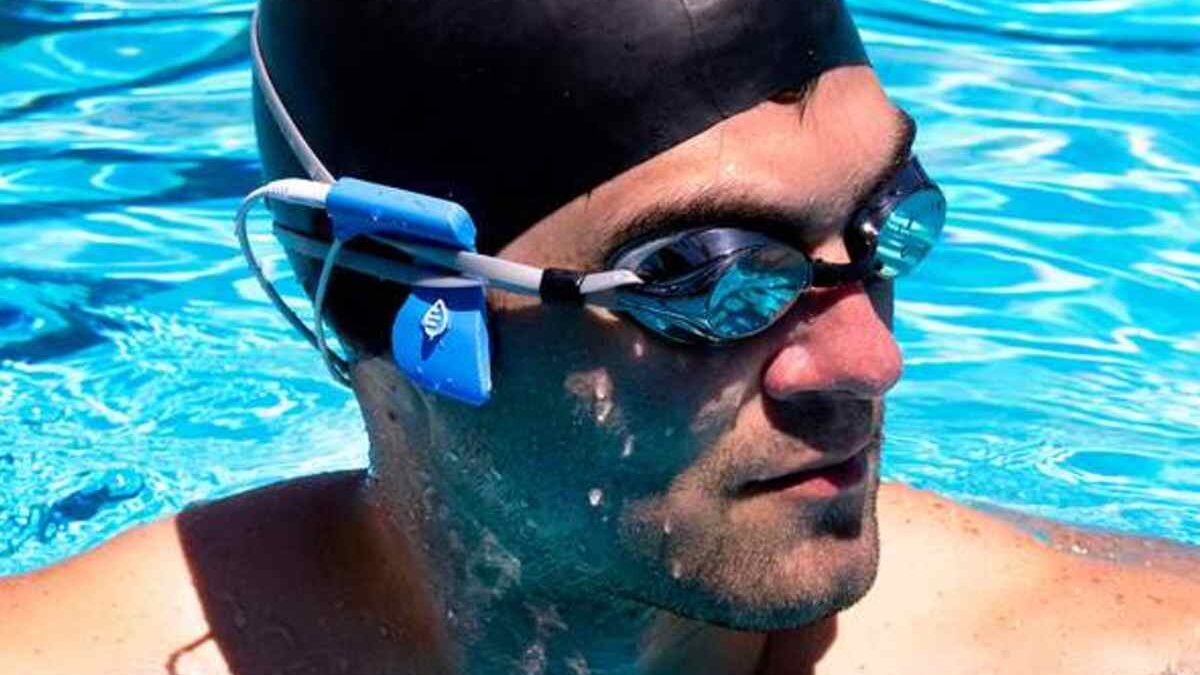
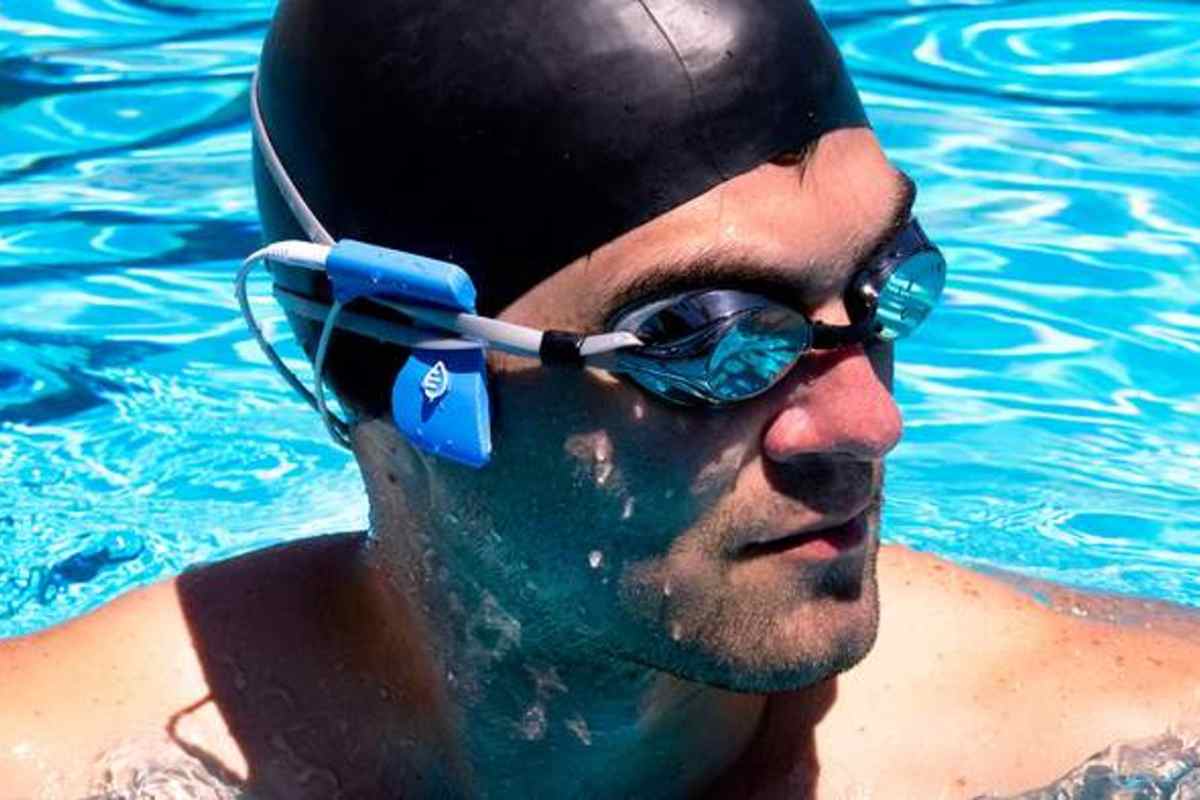
Swimming is an excellent way to improve fitness, build endurance, and reduce stress. However, listening to music while swimming requires different equipment from listening during a gym workout or a daily commute. Ordinary wireless headphones may lose their connection underwater, while devices without proper water protection can suffer permanent damage.
The best swimming headphones combine reliable waterproofing, a secure fit, suitable audio storage, and enough battery life for regular training. Some models use built-in MP3 storage, while others offer specialised designs that work well in pools or open water. Choosing the right option depends on your swimming style, budget, and preferred listening experience.
Before buying, compare the water-resistance rating, supported audio formats, comfort, controls, and maintenance requirements. These factors can make a significant difference to both sound quality and long-term durability.
Table of Contents
What Should You Look for Before Buying Swimming Headphones?
1. Check the Waterproof Rating
Waterproofing should be your first consideration. Look for a product specifically designed for swimming rather than relying on a general sweat-resistant or water-resistant label.
An IP rating helps explain a device’s protection against dust and water. For example, IPX8 indicates protection against continuous immersion under conditions specified by the manufacturer. However, the rating alone does not tell you every detail about permitted depth, duration, or saltwater use.
Always read the product manual before entering the pool. Some headphones are suitable for swimming only when specific ear tips are attached. Others have depth restrictions that make them unsuitable for diving.
2. Choose a Secure and Comfortable Fit
Swimming involves constant head movement, water pressure, and changes in body position. Headphones that fit comfortably on land may slip out during a swimming session.
Look for interchangeable ear tips, swimming-specific earbuds, or a secure band that holds the device in place. Several sizes can help you find a comfortable seal without excessive pressure.
A swim cap may provide additional stability, but it should not be the only thing keeping poorly fitted headphones in place. Test the fit before your workout and follow the manufacturer’s instructions.
3. Understand Bluetooth and Internal Music Storage
One of the most important differences between swimming headphones and ordinary wireless headphones is connectivity. Bluetooth signals do not travel reliably through water, so streaming music directly from a phone generally does not work when the headphones are submerged.
For this reason, many swimming models include built-in memory. You transfer compatible audio files to the device before entering the water, then play them directly without an active phone connection.
Some newer products support Bluetooth for use on land and MP3 playback for swimming. Check which formats are supported and whether your preferred music service allows files to be downloaded and transferred to the headphones.
4. Consider Battery Life and Storage Capacity
Battery life determines how often you need to recharge your headphones. A model offering approximately eight to twelve hours of playback may suit regular training, although actual performance varies with volume, audio format, and other settings.
Storage capacity also matters. A 4 GB device can hold a useful collection of compressed music files, while an 8 GB model provides more space. The exact number of songs depends on file size and audio quality.
Choose enough storage for your usual workout playlist rather than paying extra for capacity you may never use.
5. Check Saltwater Compatibility
Not every swimming headphone is suitable for the sea. Salt can leave deposits on charging contacts and other components, while sand and sunscreen may also affect durability.
If you swim in open water, confirm that the manufacturer explicitly permits saltwater use. After each session, rinse the headphones with fresh water according to the instructions and allow them to dry completely.
Never charge a wet device. Check the charging contacts and connector before reconnecting the cable.
7 Best Headphones for Swimming
The following options cover different budgets and swimming needs. Specifications can vary by model, so verify the exact version before purchasing.
1. Decathlon Swim Music 100 V3
The Decathlon Swim Music 100 V3 is an option for swimmers who want a dedicated music player rather than relying on a phone. The source specifications describe approximately ten hours of battery life and interchangeable fitting accessories.
Its appeal lies in its straightforward purpose: providing music during swimming sessions without requiring a live Bluetooth connection to a phone.
Before buying, check current availability, supported audio formats, and the exact waterproof rating. Also confirm whether the version you are considering is suitable for both pool and sea use.
Best for: Swimmers who want a straightforward, dedicated music solution.
2. Sony Walkman NW-WS413
The Sony Walkman NW-WS413 combines headphones and a music player in one compact design. Sony’s official specifications list 4 GB of storage, approximately twelve hours of music playback under specified conditions, and IP65/IP68 protection when the swimming earbuds are attached. <Cite refs={[“turn483355search0″,”turn483355search3”]}/>
The all-in-one design removes the need to carry a separate player during workouts. It also supports several audio formats, including MP3 and compatible non-DRM WMA files.
Sony specifies swimming use up to two metres deep for thirty minutes under its stated conditions. Follow the manual carefully, including instructions about changing the earbuds and cleaning the device after swimming.
Best for: Swimmers who prefer a recognised brand and integrated audio storage.
3. Suns Tech Argos Aquatic MP3
The Suns Tech Argos Aquatic MP3 is described as a swimming headset with 8 GB of storage, a rechargeable battery, and multiple silicone ear-tip sizes.
Its interchangeable tips can help users find a better fit, while internal storage makes it suitable for listening without a phone connection. The source specifications list a maximum immersion depth of three metres, but you should confirm the rating for the exact product version.
The available information also indicates that this model is not intended for sea use. Therefore, it is more appropriate to consider it for pool training after verifying its current specifications.
Best for: Pool swimmers who need extra storage and different ear-tip sizes.
4. Shokz OpenSwim Pro
The Shokz OpenSwim Pro is designed for swimmers and other active users. It supports Bluetooth listening on land and onboard music playback for swimming.
Its dual-mode approach is useful for people who run outdoors but also swim regularly. You can use wireless connectivity outside the water and switch to stored music when swimming. Shokz specifically advises users not to use Bluetooth mode underwater. <Cite refs={[“turn483355search15″,”turn483355search19”]}/>
Before buying, check the storage capacity, supported file formats, waterproofing instructions, and battery performance for the version available in your region.
Best for: People who want one audio device for swimming and other workouts.
5. JBL Endurance DIVE
The JBL Endurance DIVE is another option worth considering because it combines waterproofing with built-in MP3 playback. Its internal player allows music to continue underwater without depending on Bluetooth.
JBL explains that Bluetooth does not work underwater and that the DIVE model’s MP3 functionality makes it suitable for swimming. The company also recommends rinsing compatible products with fresh water after saltwater exposure. <Cite refs={[“turn483355search13″,”turn483355search16”]}/>
Check the product’s specified water-resistance limits and button-lock instructions before use. As with any older model, availability and battery condition may vary.
Best for: Swimmers who want an integrated music player from an established audio brand.
6. A Bone-Conduction Swimming Headset
Bone-conduction headphones transmit sound through vibrations rather than relying solely on conventional speakers inside the ear canal. Some models are specifically designed for swimming and include onboard music storage.
These devices can appeal to people who dislike traditional earbuds. However, not every bone-conduction headset is waterproof enough for swimming. Choose a model explicitly designed for immersion and check its permitted depth and operating mode.
If you are comparing this design with other workout audio products, our guide to bone conduction headphones provides additional context on how this technology differs from conventional headphones.
Best for: Swimmers who prefer an alternative to in-ear designs.
7. A Budget Swimming MP3 Headset
A budget swimming MP3 headset can be a sensible choice for beginners who want to try listening to music during training without spending heavily.
Look for a secure fit, clearly documented waterproofing, adequate storage, and a battery that covers your usual session. A low price is less attractive if the charging connector is unreliable or replacement accessories are difficult to find.
Read recent customer feedback, but give greater weight to verified specifications and clear warranty terms. Avoid products that claim to be waterproof without explaining their tested limits.
Best for: Beginners who want essential features at a lower cost.
How to Choose Headphones for Your Swimming Style
The right model depends on how and where you swim.
- For pool training: Prioritise a secure fit, built-in music storage, and reliable controls.
- For sea swimming: Confirm explicit saltwater compatibility and follow the cleaning instructions.
- For long sessions: Choose a battery that comfortably exceeds your typical workout duration.
- For multiple sports: Consider a dual-mode device that supports Bluetooth on land and stored music underwater.
- For beginners: Start with a straightforward model that has clear specifications and a good return policy.
If you also track workouts with a smartwatch, check how the headphones fit into your existing routine. The Garmin Vivoactive 4 supports swimming-related fitness tracking, although music compatibility and activity recording are separate features. Verify your exact device settings before relying on it during a session.
For swimmers who also use their smartphones to manage music, workouts, and daily activities, phone compatibility can be an important consideration. If you are comparing older OnePlus devices, this guide to moving from OnePlus 6 to OnePlus 6T can help you understand the differences between the two phones before deciding which device best suits your needs.
Can You Use Ordinary Wireless Headphones for Swimming?
In most cases, ordinary Bluetooth headphones are not suitable for submerged listening. Even if a pair resists sweat or splashes, that does not mean it can withstand immersion.
Bluetooth is also unreliable underwater because water significantly weakens the signal. A swimming headset with internal memory avoids this problem by playing files stored directly on the device.
Keep home entertainment equipment separate from swimming gear. For example, the Apple TV Black Friday guide relates to home entertainment shopping, but headphones used with a television should not be assumed suitable for the pool. Always choose products according to their intended environment.
How to Maintain Swimming Headphones
Proper maintenance can help extend the life of your headphones.
- Rinse them with fresh water after swimming, particularly after exposure to salt or chlorinated water.
- Dry the device and charging contacts completely before charging.
- Clean ear tips according to the manufacturer’s instructions.
- Store the headphones in a dry place away from direct heat.
- Inspect cables, seals, and charging connectors for damage.
- Avoid pressing buttons underwater unless the manufacturer permits it.
- Follow the stated depth and immersion limits every time you swim.
These steps are especially important for older devices, whose seals and batteries may have deteriorated with use.
Final Verdict
The best swimming headphones are not necessarily the most expensive. They are the ones that combine suitable waterproofing, a secure fit, dependable playback, and enough battery life for your training routine.
The Sony Walkman NW-WS413 is worth considering for its integrated design and documented specifications. The Shokz OpenSwim Pro and JBL Endurance DIVE offer alternatives for swimmers who want stored music, while budget models may suit people who are just getting started.
Before purchasing, confirm the exact waterproof rating, saltwater compatibility, storage capacity, and return policy. Most importantly, remember that Bluetooth generally cannot maintain a reliable connection underwater. Choosing a swimming-specific device with suitable onboard playback will make your sessions more convenient and help you avoid damaging ordinary headphones.