
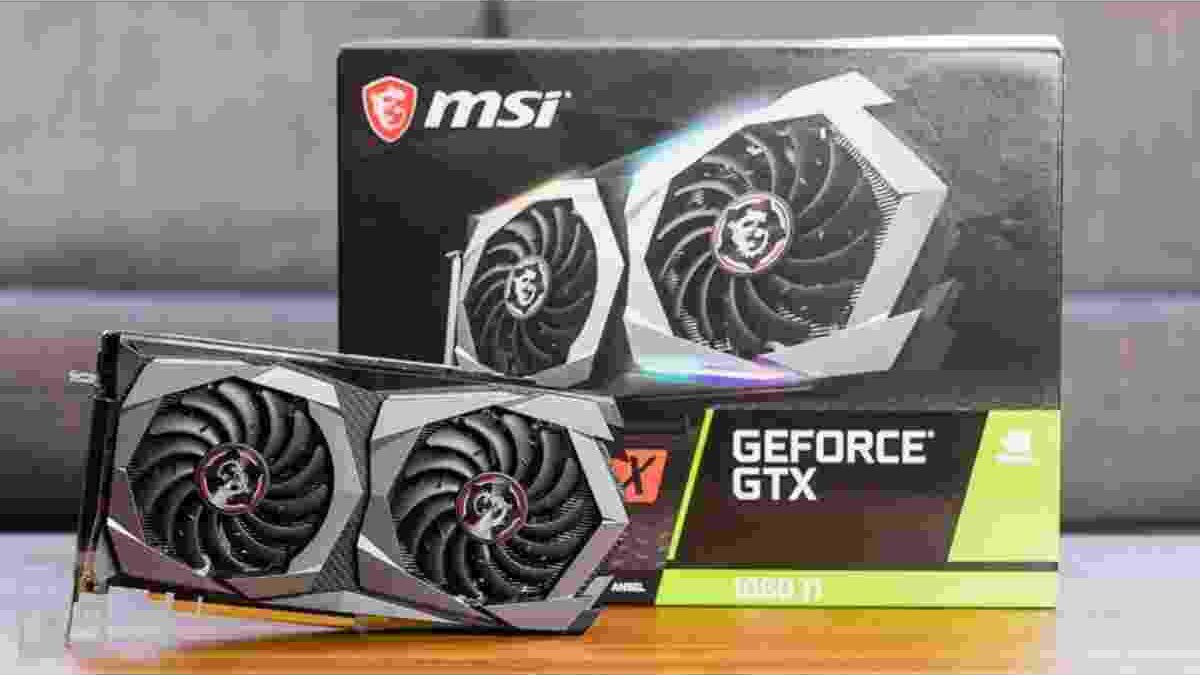
The NVIDIA GeForce GTX 1660 Ti remains a graphics card worth considering for gamers who want dependable 1080p performance without paying for a high-end GPU. Built on NVIDIA’s Turing architecture, it combines 6GB of GDDR6 memory with efficient power consumption and solid performance in many popular PC games. Although newer graphics cards offer more advanced features, the GTX 1660 Ti can still make sense for buyers building a budget gaming PC or upgrading an older system.
However, choosing the right version requires more than comparing brand names. Cooling design, factory overclocking, physical dimensions, noise levels, power requirements, and the card’s condition can all affect your experience. This guide examines seven GTX 1660 Ti models and explains what matters most before buying one.
Table of Contents
What Makes the NVIDIA GeForce GTX 1660 Ti Worth Considering?
The GTX 1660 Ti uses NVIDIA’s Turing architecture and includes 1,536 CUDA cores, 6GB of GDDR6 memory, and a 192-bit memory interface. Its reference boost clock is 1,770 MHz, while custom models may offer higher advertised clocks. Memory bandwidth reaches 288 GB/s, giving the card enough capacity for many mainstream gaming workloads.
Its strongest use case is 1080p gaming. Depending on the game, graphics settings, processor, and system memory, it can deliver smooth gameplay in numerous competitive and older titles. Some demanding games require reduced settings to maintain consistent frame rates. Playing at 1440p is possible in selected titles, but compromises become more likely. It is not a sensible choice for modern 4K gaming at high settings.
One important limitation is that the GTX 1660 Ti lacks dedicated RT and Tensor cores. Therefore, it does not provide the dedicated hardware acceleration for ray tracing and DLSS found in compatible RTX cards. Buyers who specifically want those technologies should compare newer alternatives before committing.
Seven GTX 1660 Ti Graphics Cards to Consider
These models represent different approaches to cooling, size, and factory tuning. Availability varies by market, and because the GTX 1660 Ti is an older generation, many purchases will involve used or remaining stock. Treat the list as a comparison guide rather than a claim that every model is currently available at a good price.
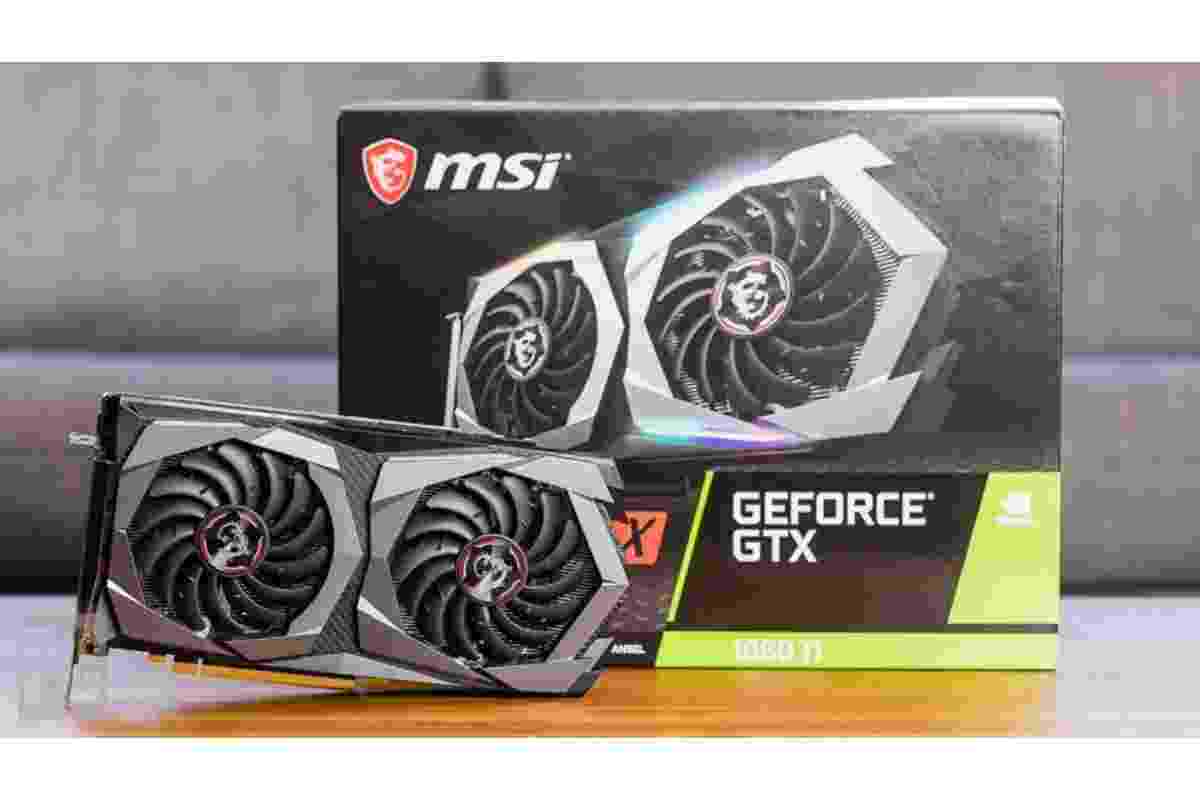
1. MSI GeForce GTX 1660 Ti Gaming X 6G
The MSI Gaming X is a strong option for buyers who value cooling and quieter operation. Its dual-fan Twin Frozr design uses a substantial heatsink, and its advertised boost clock reaches 1,875 MHz. The card has 6GB of GDDR6 memory, a single eight-pin power connector, and a manufacturer-recommended 450W power supply.
Its cooling design makes it attractive for a gaming PC that runs demanding workloads for extended periods. However, the larger cooler and premium design do not automatically translate into a major performance advantage over cheaper GTX 1660 Ti models. Compare the actual asking price, temperature reports, fan condition, and warranty before paying extra.
2. ASUS Dual GeForce GTX 1660 Ti
The ASUS Dual series is worth considering if you prefer a straightforward dual-fan design without paying for elaborate RGB lighting. Exact specifications depend on the particular model, so check the complete model number before buying.
A dual-fan cooler can provide a useful balance between cooling capacity and physical size. Nevertheless, verify card length, thickness, display connections, and the manufacturer’s recommended power supply against your case and existing components.
3. ASUS Phoenix GeForce GTX 1660 Ti
A compact Phoenix-style card can be appealing for a smaller gaming PC where space is limited. Before purchasing, confirm that the exact Phoenix model is genuinely a GTX 1660 Ti; similarly named graphics cards may belong to different GPU families.
Compact cards generally have less room for heatsinks and airflow than larger designs. This does not make them unsuitable, but temperatures and fan noise deserve particular attention during long gaming sessions. A small case also needs sufficient ventilation to prevent hot air from accumulating.
4. Gigabyte GeForce GTX 1660 Ti Windforce OC 6G
Gigabyte’s Windforce OC version is designed around a multi-fan cooling solution and factory overclocking. It offers 6GB of GDDR6 memory and is intended for conventional desktop gaming systems.
This model may suit buyers who want additional cooling capacity without necessarily choosing the largest premium card. Check the exact version carefully, as Windforce OC and non-OC models can have different clock speeds and dimensions. Also inspect the fans and heatsink if purchasing second-hand.
5. Gigabyte GeForce GTX 1660 Ti Gaming OC 6G
The Gaming OC model uses a larger Windforce triple-fan cooler and advertises a boost clock of up to 1,860 MHz. Gigabyte lists 6GB of GDDR6 memory, a 192-bit interface, and an eight-pin power connector for this model.
Its larger cooling system can help manage heat during sustained gaming, although the benefits depend on case airflow and ambient temperature. Measure your case before buying: a long graphics card can obstruct drive bays, cables, or other components. The higher advertised clock also should not be treated as a guarantee of a large frame-rate improvement.
6. MSI GeForce GTX 1660 Ti Ventus XS OC
The Ventus XS OC is worth examining if you prefer a simpler design over premium lighting and decorative features. MSI’s listed specifications for the Ventus 6G OC variant include 6GB of GDDR6 memory, a 1,830 MHz boost clock, 120W power consumption, and a recommended 450W power supply.
Be careful to match the exact product name, because Ventus XS and other Ventus variants may have different dimensions or clock specifications. For a used card, pay attention to fan noise, signs of overheating, and whether the seller can demonstrate stable gaming performance.
7. ASUS Dual GeForce GTX 1660 Ti EVO
The ASUS Dual GTX 1660 Ti EVO is another model to compare when looking for a factory-overclocked card with dual-fan cooling. ASUS lists an OC-mode boost clock of 1,875 MHz for its DUAL-GTX1660TI-O6G-EVO model, alongside 6GB of GDDR6 memory and a 192-bit interface.
Its exact dimensions and slot requirements matter just as much as the clock speed. Confirm the case clearance, power connector, and available outputs before purchasing. If the price is close to a newer graphics card with better features, compare both options rather than choosing solely on the GTX 1660 Ti name.
GTX 1660 Ti vs GTX 1660 Super: What Is the Difference?
The GTX 1660 Ti and GTX 1660 Super are related but distinct graphics cards. Both offer 6GB of GDDR6 memory and a 192-bit memory interface, yet the Ti has 1,536 CUDA cores compared with 1,408 in the Super. Their clock speeds also differ, and actual performance varies between games and individual card designs.
The Super can be competitive because it delivers similar mainstream gaming performance in many situations. Therefore, do not assume the Ti is always the better purchase. Compare tested performance, used condition, remaining warranty, power requirements, and total cost. A cheaper Super in good condition may offer better value than an overpriced Ti.
What to Check Before Buying a Used GTX 1660 Ti
Since this GPU generation is no longer new, condition and pricing can matter more than small factory-overclock differences.
- Test the card under load: Run a game or a reputable GPU stress test and watch for crashes, visual artefacts, or unexpected shutdowns.
- Check temperatures and fans: Look for abnormal noise, unstable fan speeds, and signs of overheating.
- Inspect the physical card: Check the PCB, display ports, power connector, screws, and heatsink for damage or corrosion.
- Confirm power compatibility: Many models use one eight-pin connector and recommend a 450W power supply, but always verify the exact card and your PSU’s quality.
- Check case clearance: Compare the card’s length and thickness with your case specifications.
- Compare the full price: Include delivery, possible repairs, and warranty limitations when comparing used cards with newer alternatives.
A short seller demonstration is useful, but a stable test across different workloads is more reassuring than a card that merely displays an image.
Is the GTX 1660 Ti Suitable for Your Gaming PC?
The GTX 1660 Ti is most appropriate for budget-conscious players targeting 1080p resolution, especially those upgrading from substantially older graphics hardware. It can also support everyday computing, video playback, and some GPU-accelerated creative tasks, although professional workloads may benefit from newer hardware or additional memory.
If you are planning an entire system rather than replacing a graphics card, compare the GPU with the processor, RAM, storage, monitor, and power supply. Our guide to the best laptops can help readers comparing complete computer options, while the explanation of what an ultrabook is covers a different category of portable computer. Neither category should be confused with a desktop graphics card upgrade: laptop GPUs and desktop GPUs have different power and cooling constraints.
Likewise, consider your wider setup. If you regularly print coursework, documents, or gaming guides, our guide to the best Bluetooth printers can help you compare a useful peripheral separately from your graphics hardware.
Final Verdict
The NVIDIA GeForce GTX 1660 Ti remains a capable 1080p gaming option when purchased at the right price and in good condition. The MSI Gaming X is worth considering for its cooling-focused design, Gigabyte’s Gaming OC offers a larger triple-fan cooler, and compact models may be more suitable for smaller cases.
Still, no single version is automatically best for every buyer. Prioritise verified condition, cooling, case compatibility, power requirements, and real-world performance over RGB lighting or small clock-speed differences. Compare the GTX 1660 Ti with the GTX 1660 Super and newer alternatives before spending money, especially if modern features such as dedicated ray tracing hardware and DLSS are important to you.