
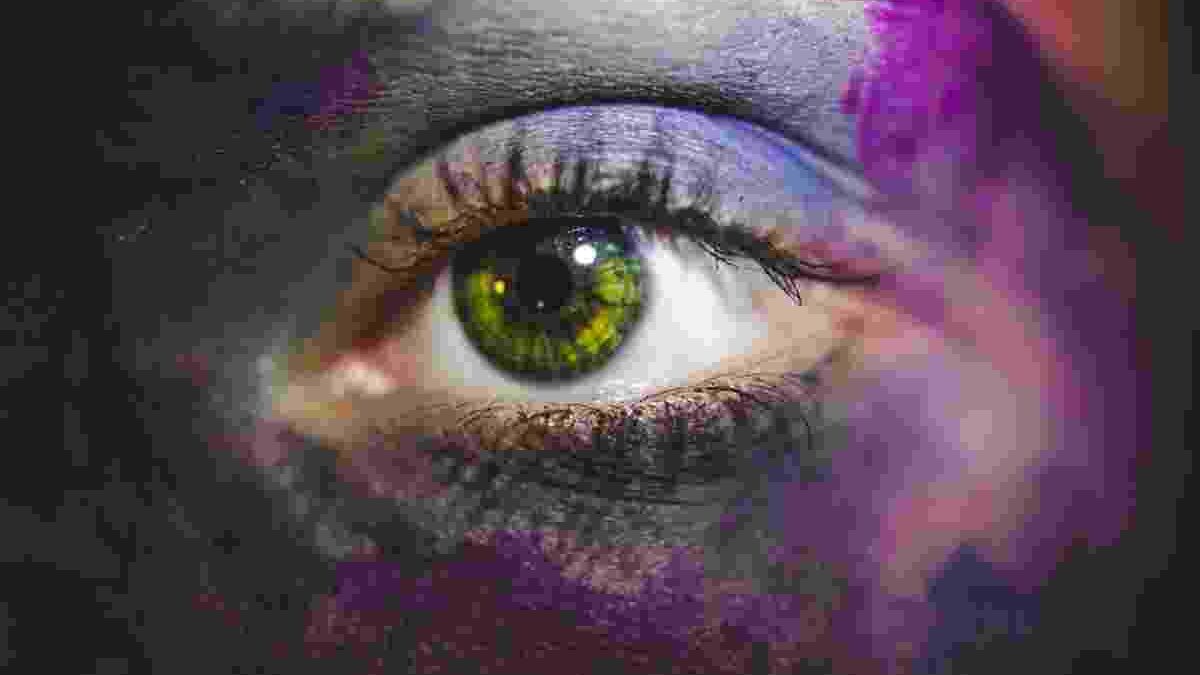
The concept of transparent eyes offers an interesting way to explore visual design, creativity, and digital innovation. It uses translucent effects to create eye designs that appear partly see-through or reflective. Artists and designers use these effects to experiment with light, texture, depth, and visual perception.
Transparent eyes can appear in digital artwork, creative illustrations, fashion concepts, and experimental interface designs. Although the idea is mainly an artistic approach, it also connects with wider developments in digital technology.
Table of Contents
What Are Transparent Eyes?
Transparent eyes are visual representations of eyes that use translucent or partially transparent effects. Instead of showing a completely solid surface, the design allows light, colour, or background elements to appear through selected areas.
This technique creates an unusual visual effect. It can make an illustration look futuristic, surreal, or dreamlike.
Artists may use transparent eyes to explore themes such as identity, perception, emotion, and the relationship between appearance and reality. The final result depends on the artist’s style and the techniques used.
How Transparent Eyes Are Created
Creating transparent eye effects requires a combination of digital design techniques. Artists often work with illustration, photo-editing, and 3D rendering software.
Some common techniques include:
- Layering: Multiple visual layers help create depth and separate different parts of the eye design.
- Opacity adjustments: Lower opacity makes selected areas appear translucent.
- Light and reflection: Highlights and reflections help create a glass-like appearance.
- Colour blending: Soft colour transitions make transparent areas look more natural.
- Texture effects: Fine details add depth and make the design more realistic.
The artist must balance these elements carefully. Too much transparency can make the eye difficult to recognise, while subtle effects can create a more refined result.
Applications of Transparent Eyes in Digital Art and Design
Transparent eye effects offer many creative possibilities in digital art. Artists can use them in surreal illustrations, character designs, fantasy artwork, and experimental visual projects.
For example, a digital artist might create an eye that appears to contain glass, water, or a glowing surface. Another design might combine transparent elements with abstract shapes to create a futuristic appearance.
These techniques also encourage artists to experiment with visual storytelling. An unusual eye design can represent mystery, emotional depth, technology, or a different way of seeing the world.
Digital appearance trends also extend to beauty and personal care. People increasingly use online tools to explore different styles before changing their appearance. You can learn more about the history and health concerns associated with black beauty pills in our related guide.
Transparent Effects in Technology and User Interface Design
Transparency is widely used in modern user interface design. Designers apply translucent backgrounds, glass-like panels, and layered elements to organise information on screens.
These effects can help separate interface sections without making the entire design feel heavy. For example, a transparent navigation panel can allow users to see part of the background while keeping important controls visible.
The same visual principles can inspire experimental eye graphics and digital interfaces.
However, designers must consider readability and accessibility. Text should remain easy to read, and important buttons should stand out clearly. Transparency should improve the user experience rather than distract from it.
Fashion and Wearable Technology
The idea of transparency also appears in fashion and wearable technology. Designers use transparent materials, reflective surfaces, and layered fabrics to create distinctive clothing and accessories.
Wearable technology takes this concept further. Smart glasses, display lenses, and other digital accessories explore ways to combine physical objects with digital information.
Transparent eye-inspired graphics can complement these designs. They may appear in fashion campaigns, product visuals, and futuristic concepts.
A complete personal style also involves choosing suitable clothing and footwear. Our guide on finding the right shoes explains how footwear choices can complement different outfits and occasions.
How Transparent Eyes Influence Culture and Creativity
Transparent eyes challenge the way people interpret familiar visual features. By changing the appearance of an eye, artists can encourage viewers to think about visibility, identity, and perception.
This approach also creates opportunities for collaboration. Digital artists, graphic designers, fashion professionals, and technology developers can use similar visual ideas in different projects.
Personal grooming is another area where creative visual trends influence everyday choices. For example, modern grooming tools allow people to experiment with their appearance and maintain different styles. Explore our guide to the best trimmers for men for more information.
The Future of Transparent Eye Designs
Technology continues to expand the possibilities of digital art. Better rendering software, advanced visual effects, and artificial intelligence tools allow artists to create increasingly detailed designs.
Augmented reality (AR) and virtual reality (VR) may also provide new ways to experience transparent eye effects. Designers could create interactive artwork in which visual elements change as viewers move or interact with the display.
These developments may lead to new forms of digital storytelling, entertainment, and creative experiences.
However, the future of transparent eye designs will depend on more than technology. Artistic imagination and thoughtful design will remain important in making these visuals meaningful and engaging.
Conclusion
Transparent eyes represent an interesting creative approach to visual design. By combining transparency, light, texture, and digital effects, artists can produce unusual images that challenge traditional ideas about appearance and perception.
The concept has potential applications in digital art, interface design, fashion, and wearable technology. As creative software continues to improve, designers will have more opportunities to explore this visual style and develop new forms of expression.