

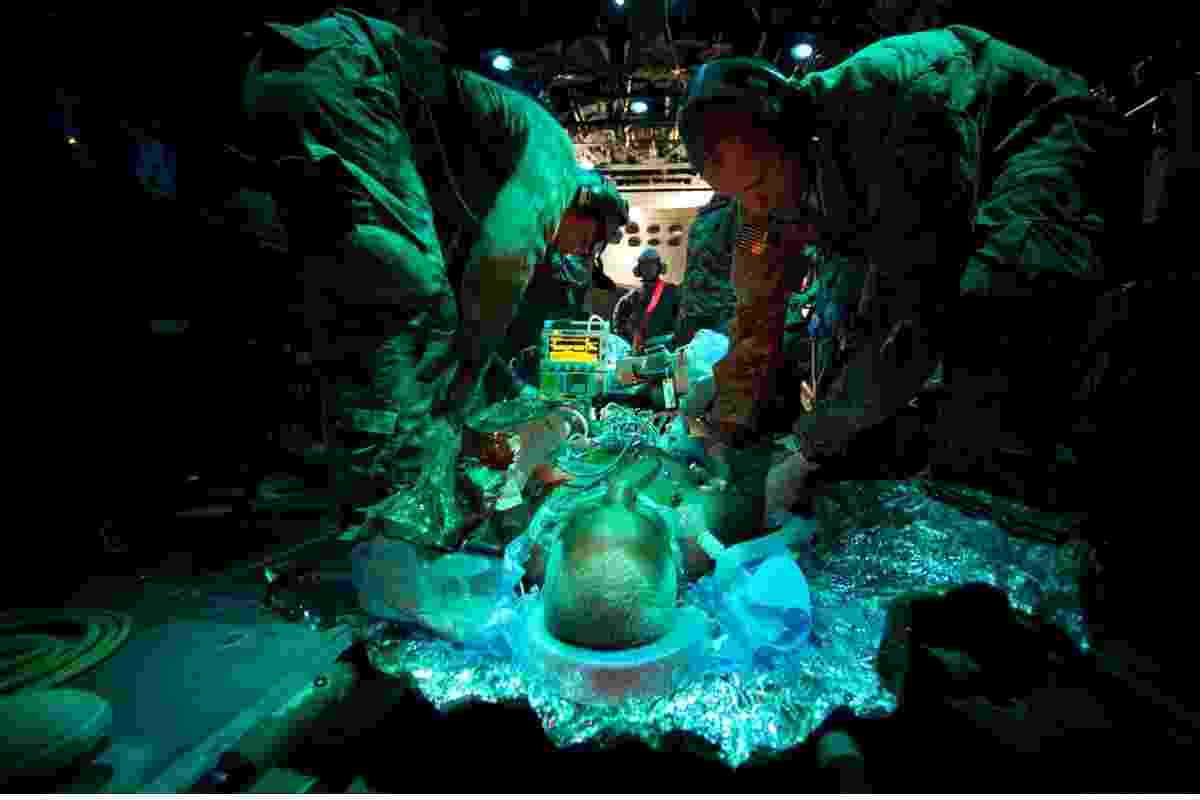
First responders handle demanding situations that require quick decisions, clear communication, and accurate records. Along with responding to emergencies, they must complete patient care reports, manage staff, coordinate resources, and handle administrative tasks. These responsibilities can become difficult when teams rely on separate systems.
Electronic Patient Care Reporting (EPCR) software helps emergency services create, manage, and store patient care records digitally. An all-in-one EPCR platform brings several operational tools together, helping agencies manage information from one central system.
The right solution can reduce repetitive work, improve coordination, and give administrators better insight into daily operations. Here are five advantages that an all-in-one EPCR system can offer first responder teams.
Table of Contents
1. Centralised Administration and Operational Oversight
Managing an emergency response agency involves more than handling calls. Administrators must monitor staffing, review response activity, manage resources, and plan budgets. When information is spread across different systems, it can take extra time to understand how the organisation is performing.
An all-in-one EPCR platform can bring important operational information into one dashboard. Depending on the software, administrators may be able to review:
- Personnel availability and staffing levels
- Incident records and response activity
- Department performance reports
- Equipment and resource information
- Administrative and operational trends
Having this information in one place can support better planning. For example, managers can review staffing patterns and identify areas where additional resources may be needed.
Centralised records can also reduce duplicate data entry. Staff members spend less time switching between applications and more time focusing on their responsibilities.
Agencies should still check which dashboards and reporting features a provider offers. Not every EPCR platform includes the same administrative tools.
2. Digital Incident Reporting and NERIS Readiness
Accurate incident reporting is essential for emergency service organisations. First responders need to document calls, record relevant details, and make information available for review. Digital reporting tools can make this process more organised than paper-based records.
An EPCR platform may help teams create incident reports, manage patient care documentation, and generate reports based on dates, incident types, or other selected criteria. These features can support internal reviews and help administrators understand operational activity.
However, fire departments in the United States should pay attention to an important reporting change. The National Fire Incident Reporting System (NFIRS) has been replaced by the National Emergency Response Information System (NERIS). From January 1, 2026, new fire incident reporting moved exclusively to NERIS. NFIRS became unavailable in February 2026.
Therefore, departments evaluating EPCR or incident reporting software should confirm that their provider supports the reporting requirements and integrations they currently need. They should also check whether the system can exchange information with relevant computer-aided dispatch (CAD) and records management systems.
A well-designed reporting workflow can reduce repeated data entry and help staff maintain more consistent records. It can also give administrators useful information for reviewing incidents and planning improvements.
3. Cloud Dispatch and Field Coordination
Emergency response depends on timely communication. Dispatchers, field personnel, and supervisors need accurate information so they can coordinate their work. Delays or unclear instructions can make an already difficult situation more challenging.
An all-in-one platform with cloud-based dispatch features can help authorised users access relevant information from connected devices. Depending on the provider, these tools may support:
- Real-time incident notifications
- Assignment and status updates
- Access to dispatch information
- Coordination between field teams and supervisors
- Updates about available personnel and resources
These features can help teams stay informed while working away from the station. However, cloud access depends on suitable connectivity, device support, and the provider’s system design. Agencies should also ask about offline workflows for areas with limited network coverage.
Field operations may involve temporary work locations, changing conditions, and limited infrastructure. Departments can explore how equipment and mobile facilities support these situations in this guide to portable shelters and their role in field operations.
The goal is to give responders access to useful information without making communication more complicated.
4. Integrated Billing and Payment Management
Some emergency service agencies need to manage billing for specific services or incidents. Handling this work manually can involve repeated data entry, separate spreadsheets, and time-consuming invoice preparation.
An EPCR platform with integrated billing tools may help connect relevant service records with billing workflows. Depending on the software and agency requirements, it may support:
- Organising billable service information
- Preparing invoices
- Tracking payment status
- Managing billing records
- Reducing duplicate data entry
For example, staff may be able to use information already recorded during an incident to support the billing process. This can reduce the need to enter the same details into multiple systems.
However, billing requirements vary by agency, service type, and location. Before choosing a platform, departments should confirm which billing functions are included and whether the software supports their payment processes.
It is also important to protect sensitive patient and billing information. Agencies should review user permissions, data encryption, audit logs, and other security controls before storing confidential records in a shared platform.
5. Personnel Management and Staff Readiness
First responder agencies depend on trained and qualified personnel. Administrators must keep track of staff details, training records, certifications, and renewal dates. Missing or outdated information can create administrative problems and affect workforce planning.
An all-in-one EPCR solution with personnel management features can help organise these records. Depending on the system, administrators may be able to:
- Maintain staff profiles
- Track qualifications and certifications
- Monitor training records
- Review certification renewal dates
- Manage personnel assignments
- Check staff availability
A central record system makes it easier to find relevant information when planning shifts or assigning responsibilities. It can also help managers identify upcoming training and renewal requirements.
Digital collaboration tools can support the sharing of training materials and internal resources. However, agencies should use approved systems and access controls when handling staff information. This overview of using Discord to sell Notion templates provides a separate example of how online communities and digital resources can be organised and shared.
For emergency services, the priority should remain clear: personnel records must be accurate, current, and accessible only to authorised users.
What to Check Before Choosing an All-in-One EPCR Platform
The number of features is not the only factor to consider. A platform should match the agency’s actual workflows and reporting responsibilities.
Before selecting a provider, review these points:
- Reporting compatibility: Confirm support for current reporting standards, including NERIS where applicable.
- Ease of use: Check whether responders can complete reports without unnecessary steps.
- Mobile access: Make sure the platform works on the devices used by field personnel.
- Integration options: Ask whether it connects with existing CAD, records, billing, and other systems.
- Data security: Review access controls, encryption, backups, and audit capabilities.
- Training and support: Confirm that staff can receive onboarding and ongoing technical assistance.
- Pricing: Understand subscription costs, implementation fees, and charges for additional modules.
A demonstration or trial can help teams assess the software before making a long-term commitment.
Protecting Sensitive Information in EPCR Systems
EPCR platforms store important patient care records and other sensitive information. First responder agencies should protect this data with strong access controls, secure storage, and regular security checks. Staff should also follow safe data-handling practices to prevent unauthorised access or misuse. Understanding the risks of identity theft and its impact on credit scores also highlights why protecting personal information is important across digital systems.
Conclusion
An all-in-one EPCR platform can help first responder agencies manage administration, incident reporting, dispatch coordination, billing, and personnel records through a more connected workflow.
These features can reduce repetitive tasks and make important information easier to access. However, the value of a platform depends on its reliability, security, reporting compatibility, and suitability for the agency’s needs.
By comparing providers carefully and involving both administrators and frontline staff in the selection process, emergency service organisations can choose a system that supports their daily operations and helps them stay prepared.