
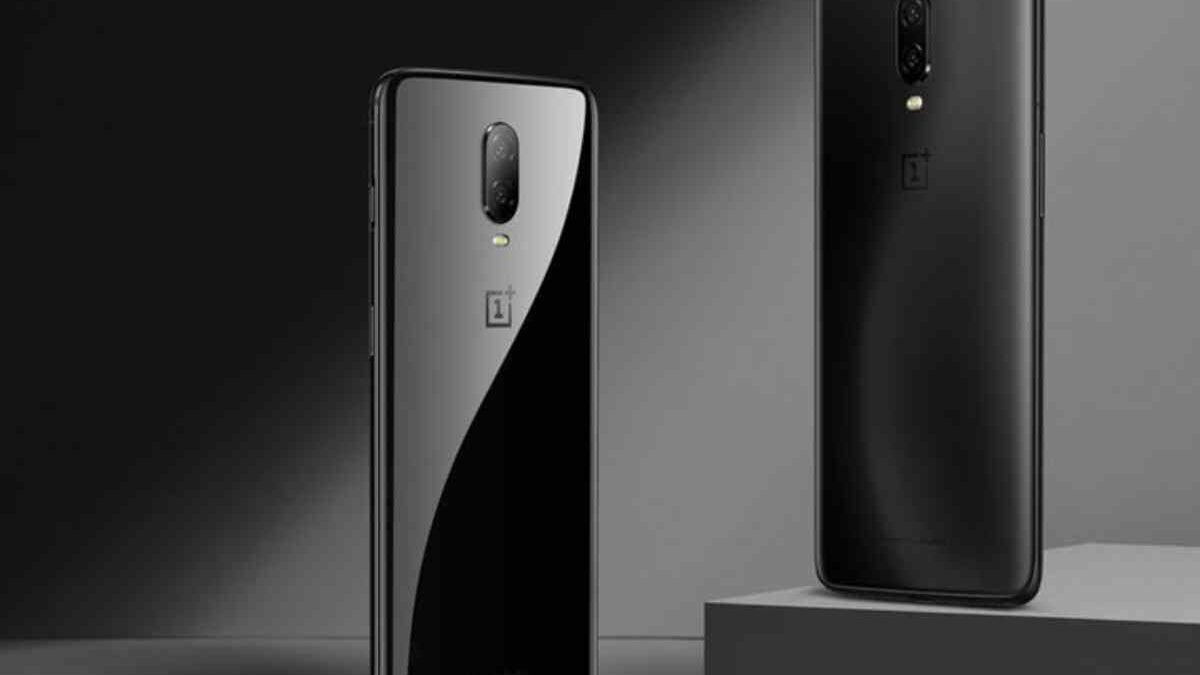
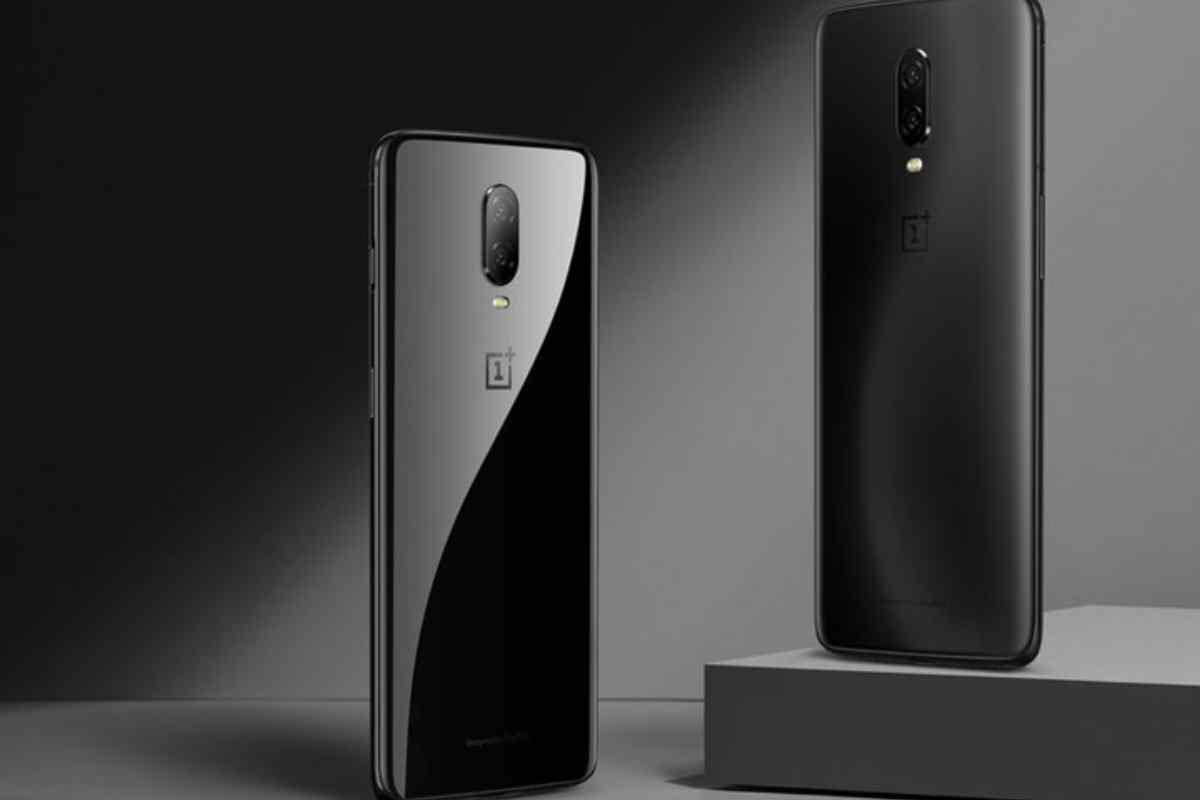
The OnePlus 6T arrived in October 2018 as an updated version of the OnePlus 6. Both smartphones offered flagship-level performance for their time, but the newer model introduced several important changes. These included a larger display, a smaller waterdrop notch, an in-display fingerprint reader, and a bigger battery.
However, the OnePlus 6T was not a complete redesign. It retained the Snapdragon 845 processor, a similar dual-camera system, and the familiar OxygenOS experience. OnePlus also removed the traditional 3.5mm headphone jack, a decision that disappointed some users.
So, what actually changed between these two smartphones? More importantly, is the OnePlus 6T a meaningful upgrade over the OnePlus 6? Let’s compare their designs, displays, security features, performance, cameras, battery life, and audio capabilities to understand the differences.
Table of Contents
OnePlus 6 vs OnePlus 6T: Display and Design
The display is one of the most noticeable differences between the OnePlus 6 and OnePlus 6T. Both phones use Optic AMOLED technology, which delivers deep blacks, rich colours, and strong contrast. However, the OnePlus 6T offers a slightly larger screen and a more modern front design.
The OnePlus 6 features a 6.28-inch display with a resolution of 2,280 × 1,080 pixels. The OnePlus 6T increases the screen size to 6.41 inches and uses a resolution of 2,340 × 1,080 pixels. Both have a 19:9 or 19.5:9-style widescreen format, depending on the model.
The difference may seem small on paper. However, the OnePlus 6T provides a little more room for reading, watching videos, browsing websites, and using apps. Its reduced notch also makes the front look cleaner.
The Waterdrop Notch Makes a Difference
The OnePlus 6 uses a wider notch at the top of the display. It houses the front-facing camera and takes up more space than the notch on the newer model.
The OnePlus 6T replaces it with a compact waterdrop-shaped notch. This design leaves more of the screen available for content and gives the phone a more streamlined appearance.
Both phones also allow users to hide the notch through display settings. This creates a darker strip across the top of the screen, although it does not physically remove the notch.
For everyday use, the difference is mainly visual. Both displays remain suitable for watching videos, browsing social media, reading articles, and playing mobile games.
In-Display Fingerprint Scanner: A Major Upgrade
One of the biggest changes in the OnePlus 6T is its fingerprint scanner. The OnePlus 6 places its fingerprint sensor on the rear of the device, below the camera module. This position is convenient when holding the phone because your finger naturally reaches the back.
The OnePlus 6T moves the fingerprint reader beneath the display. Users can unlock the phone by placing their finger on the designated area of the screen.
This feature, marketed as Screen Unlock, gives the newer phone a cleaner rear design. It also makes unlocking possible without reaching for a sensor on the back.
However, the two systems work differently. The OnePlus 6 uses a conventional physical fingerprint sensor, while the OnePlus 6T uses an optical sensor beneath the display. The optical system captures an image of the fingerprint through the screen.
Its performance can depend on finger placement, moisture, screen protectors, and the condition of the sensor. The rear-mounted reader on the OnePlus 6 may feel more immediate to users who prefer a physical sensor.
Both devices also support face unlock. This provides another way to access the phone, although fingerprint security and face recognition should not automatically be considered identical in every situation.
Performance and Software: How Different Are They?
At first glance, the OnePlus 6T appears to be a more powerful phone because it arrived later. However, both devices use the Qualcomm Snapdragon 845 processor.
This processor was a high-end mobile chipset when these phones launched. It was designed to handle demanding apps, multitasking, mobile gaming, and everyday smartphone tasks.
Both models also use LPDDR4X RAM and UFS 2.1 storage. Depending on the configuration and market, buyers could find different RAM and storage combinations. The OnePlus 6T offered configurations with up to 256 GB of internal storage.
Because the core processor is the same, the OnePlus 6T does not deliver a dramatic performance leap over the OnePlus 6. Instead, its advantages come mainly from the larger battery, updated design, and fingerprint technology.
Software support is another important consideration today. Both phones originally shipped with older versions of Android and OxygenOS. Their current compatibility with apps, security updates, and online services depends on their software versions and the support available for these legacy devices.
If you plan to buy either phone second-hand, check its software status, battery condition, storage capacity, and repair history. A well-maintained device can provide a better everyday experience than a newer-looking phone with worn components.
Battery Life and Charging
Battery capacity is another meaningful difference between these smartphones.
The OnePlus 6 includes a 3,300mAh battery, while the OnePlus 6T increases capacity to 3,700mAh. This gives the newer model additional power reserves, which can help users who spend long periods browsing, watching videos, or using mobile apps.
The larger battery does not guarantee a specific amount of extra screen time. Actual battery life depends on display brightness, network strength, background applications, gaming, and battery ageing.
Both models support OnePlus fast charging through the company’s charging technology. However, neither phone supports wireless charging.
Battery health deserves particular attention when purchasing these devices today. Lithium-ion batteries gradually lose capacity through normal use and ageing. A second-hand OnePlus 6T with a degraded battery may not last as long as its original specifications suggest.
Check whether the phone heats excessively, loses charge quickly, or shuts down unexpectedly. If the battery has deteriorated significantly, a professional replacement may be necessary.
Camera Comparison: Is the OnePlus 6T Better?
The OnePlus 6 and OnePlus 6T share broadly similar camera hardware. Both feature a 16-megapixel primary rear camera and a 20-megapixel secondary camera. The main sensor includes optical image stabilisation, which helps reduce blur caused by small hand movements.
Both phones also offer portrait photography, HDR, manual controls, and 4K video recording. Their front cameras use a 16-megapixel sensor for selfies and video calls.
The OnePlus 6T introduced software improvements intended to enhance low-light photography. Nightscape was designed to produce brighter night images with improved detail and reduced noise.
However, the results depend on the scene, camera settings, software version, and the user’s technique. The similar camera hardware means the OnePlus 6T is not a complete camera-generation leap.
For everyday photos, social media posts, and casual video recording, both devices remain broadly comparable in their original capabilities. When buying either model used, test autofocus, stabilisation, camera lenses, and video recording before making a decision.
RIP, Headphone Port: What Changed for Audio?
The removal of the 3.5mm headphone jack is one of the most controversial changes in the OnePlus 6T.
The OnePlus 6 includes a traditional headphone port. This allows users to connect wired headphones directly without needing an adapter or Bluetooth connection.
The OnePlus 6T removes this port and relies on USB Type-C audio or wireless headphones. A USB Type-C to 3.5mm adapter was included with the phone in its original retail package, although second-hand devices may no longer have the accessory.
This change can be inconvenient for people who own several wired headphones. On the other hand, users who already prefer Bluetooth headphones may notice little difference in their daily routine.
Those exploring different home audio options can also read about wireless speakers and Echo Dot to understand how wireless listening devices fit into a connected setup. Speakers are useful for shared listening, while headphones remain more practical for private audio and travel.
Are Bone Conduction Headphones an Alternative?
Bone conduction headphones offer another way to listen to audio without placing conventional speakers directly inside the ear canal. They transmit vibrations through the bones around the ear, leaving the ear canal relatively open.
If you want to explore this category, our guide to bone conduction headphones provides a useful starting point for understanding their design and potential uses.
These headphones can suit some outdoor activities because they allow users to remain more aware of surrounding sounds. However, they do not replace every feature of conventional headphones, and sound quality varies by model.
For the OnePlus 6T, check whether the headphones support Bluetooth or require a compatible USB Type-C connection. Choosing the right connection is essential because the phone does not have a standard headphone jack.
Health and Fitness Features in Everyday Use
Neither the OnePlus 6 nor the OnePlus 6T is a dedicated fitness tracker. However, both can run compatible fitness applications that use the phone’s sensors and connected accessories to record selected activities.
People who want more detailed workout tracking may prefer a dedicated wearable. The Garmin Vivoactive 4 is an example of a smartwatch designed to provide activity tracking, workout features, and health-related measurements.
A smartwatch serves a different purpose from a smartphone. The phone handles apps, communication, and media, while the wearable can make activity data easier to check during exercise.
Before relying on any fitness device, review which measurements it supports and understand their limitations. Features and compatibility can also vary according to the software version and connected phone.
Which Phone Should You Choose?
The OnePlus 6T is the more refined device in several areas. It offers a larger screen, a smaller notch, an in-display fingerprint reader, and a larger battery. These changes make it an attractive option for users who prefer a modern-looking design and additional battery capacity.
The OnePlus 6, however, retains some practical advantages. Its rear fingerprint reader may feel more familiar, and its 3.5mm headphone jack makes connecting wired headphones easier. Since both phones share the Snapdragon 845 processor and similar camera hardware, the performance difference is relatively small.
Your choice should depend on condition and price as much as specifications. When comparing second-hand devices, check battery health, display quality, charging performance, camera operation, and software compatibility.
Ultimately, the OnePlus 6T is an evolutionary upgrade rather than a complete transformation. Its screen design, fingerprint technology, and battery improvements are meaningful, but the OnePlus 6 remains a capable device for basic everyday tasks when it is in good condition.