
Table of Contents
Garmin Vivoactive 4 Review: Is This Fitness Smartwatch Worth Buying?
The Garmin Vivoactive 4 is designed for people who want more than a basic fitness tracker without carrying a bulky sports watch every day. It combines GPS tracking, workout profiles, health monitoring, music playback, and everyday smartwatch features in a lightweight design. Although it is an older model, its range of functions can still make it an appealing option for the right buyer.
The Vivoactive 4 builds on the popularity of the Vivoactive 3, adding features such as a second physical button, Pulse Ox monitoring, animated workouts, and onboard music storage. However, a long feature list does not automatically make a watch the best choice. Battery performance, display quality, sensor accuracy, comfort, and software support all affect the experience.
This review examines the watch’s design, included accessories, strap, fitness tools, health features, battery life, and everyday usability. It also explains who should consider buying it and when a newer smartwatch may be a better investment.
Garmin Vivoactive 4: Specifications at a Glance
Here are the main specifications of the standard 45 mm Garmin Vivoactive 4.
- Display: 1.3-inch colour display with a 260 × 260 resolution.
- Weight: Approximately 50.5 grams.
- Case: Fibre-reinforced polymer with a stainless-steel bezel.
- Glass: Corning Gorilla Glass 3.
- GPS: Built-in GPS, GLONASS, and Galileo support.
- Water rating: 5 ATM.
- Battery life: Up to eight days in smartwatch mode under Garmin’s stated conditions.
- Music: Onboard storage for up to 500 songs.
- Connectivity: Bluetooth, ANT+, and Wi-Fi.
- Health features: Wrist-based heart rate, stress tracking, sleep monitoring, Body Battery, and Pulse Ox.
- Compatibility: Compatible with supported Android phones and iPhones.
These figures describe the standard Vivoactive 4, not the smaller Vivoactive 4S. Battery life varies with GPS use, music playback, notifications, and sensor settings.
Scope of Delivery and Accessories
The standard package generally includes the Garmin Vivoactive 4, a charging cable, and documentation. The exact contents can vary by seller, region, and product condition, especially when buying an older model.
The charging cable uses Garmin’s proprietary connector. It is worth keeping it in a safe place because a standard USB cable cannot directly replace the watch’s charging connection. Before buying a used unit, confirm that the cable is included and works correctly.
The Vivoactive 4 does not need many accessories to function. However, a spare strap can be useful for changing the appearance or replacing a worn band. A protective screen accessory may also appeal to people who frequently exercise outdoors, although the watch already uses Gorilla Glass 3.
Buyers should check the return policy and warranty carefully. Since the model has been on the market for several years, a discounted price does not necessarily mean that the device is new or that its battery has never been used.
First Impressions: Design and Appearance
Garmin has given the Vivoactive 4 a design that works for exercise and everyday wear. Its round face resembles a traditional watch, while the colour display and fitness menus provide modern functionality.
The stainless-steel bezel adds a premium touch. Meanwhile, the polymer case helps keep the overall weight manageable. This combination makes the watch suitable for people who want a sporty appearance without the oversized design found on some specialist outdoor watches.
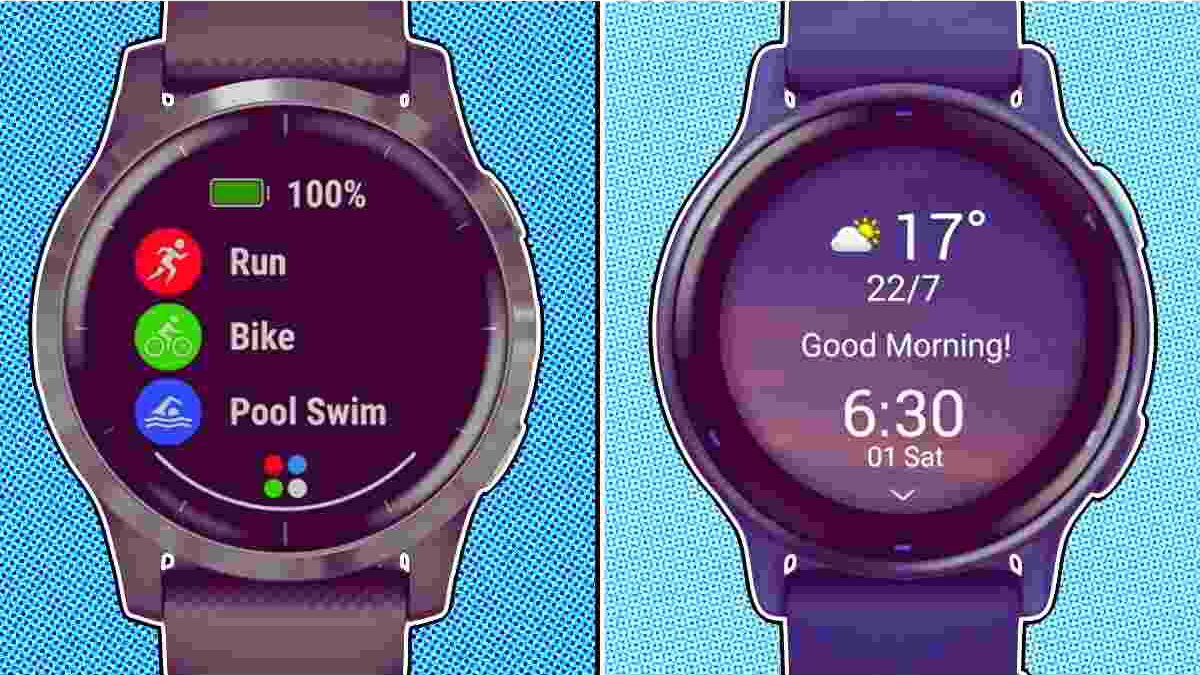
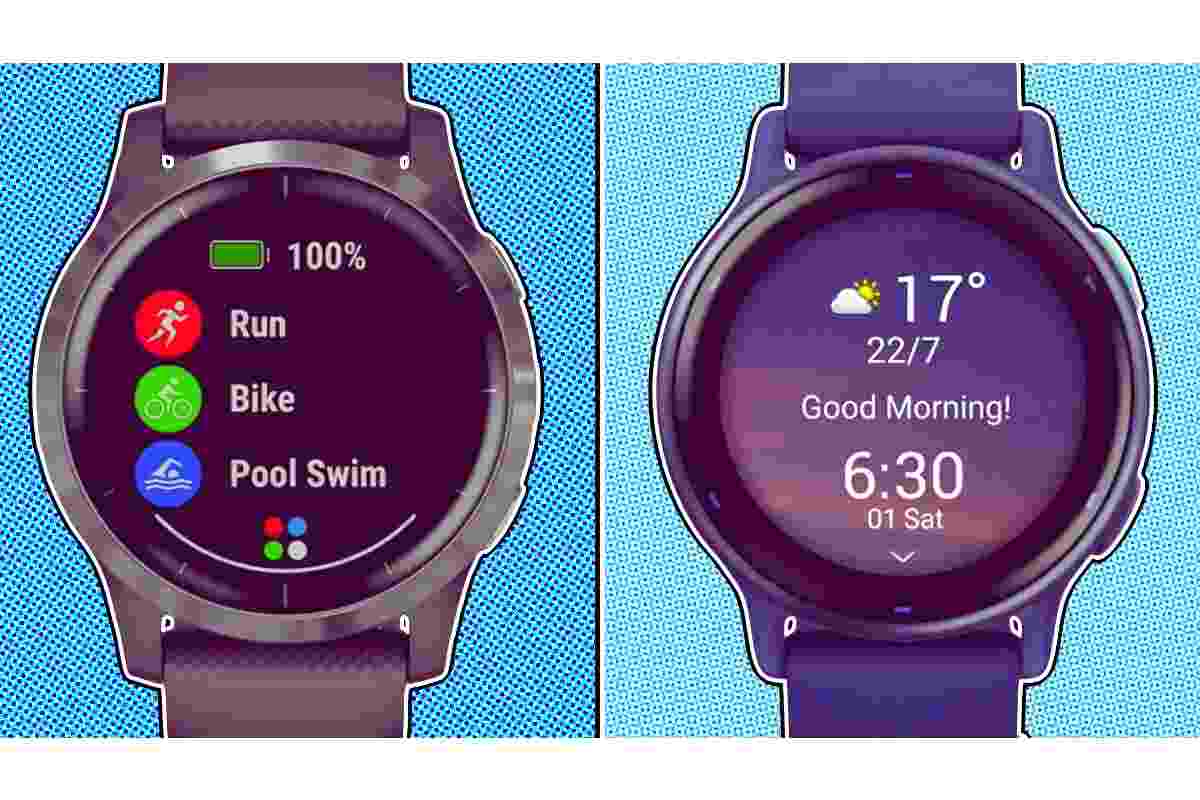
The standard Vivoactive 4 has a 1.3-inch display. Its transflective memory-in-pixel technology prioritises outdoor visibility and efficient power use rather than the deep blacks and vivid contrast of an AMOLED screen.
That difference matters. The display can be easy to read in sunlight, but graphics and colours do not look as rich as they do on many newer smartwatches. Buyers who value a bright, modern screen above battery life may prefer a more recent model.
Casing and Wearing Comfort
The standard Vivoactive 4 weighs approximately 50.5 grams. Its relatively light construction helps make it comfortable during walks, gym sessions, and everyday activities.
The watch is also practical for overnight wear. Its health and sleep tracking features are most useful when the device is worn consistently, so comfort is more than a cosmetic consideration. A strap that feels too tight or causes irritation can make continuous tracking less appealing.
The case measures approximately 45.1 × 45.1 × 12.8 mm. It may look substantial on a small wrist, so it is worth checking the dimensions before ordering. People who prefer a smaller watch should compare it with the Vivoactive 4S.
The two-button layout is another useful design feature. The touchscreen supports navigation, while physical buttons make it easier to control certain functions during exercise. Sweat, movement, or wet fingers can make touch controls less convenient, so having physical controls can improve usability.
Bracelet and Strap Options
The standard Vivoactive 4 comes with a flexible silicone strap. Silicone is a sensible choice for a fitness watch because it handles sweat well, cleans easily, and does not absorb moisture like many fabric bands.
Garmin uses a 22 mm quick-release band on the standard Vivoactive 4. This allows users to change compatible straps without needing specialised tools. You can select a different colour or material to suit work, travel, or casual use.
Before buying a replacement, confirm that the strap width and quick-release mechanism match your exact watch model. A band designed for another Garmin watch may have a different width, even if the watches look similar.
For exercise, a secure fit helps the optical heart-rate sensor maintain contact with the skin. The strap should be snug enough to reduce excessive movement but not so tight that it becomes uncomfortable. After swimming or a sweaty workout, rinse the watch and strap with fresh water and let them dry.
Fitness Tracking and GPS Performance
Fitness tracking is one of the Vivoactive 4’s strongest features. The watch supports a broad selection of activities, including walking, running, cycling, swimming, strength training, yoga, and indoor workouts.
Its built-in satellite positioning can record outdoor routes without requiring the phone’s GPS for every activity. Support for GPS, GLONASS, and Galileo gives the watch access to multiple satellite systems, although actual tracking performance depends on surroundings and conditions.
Trees, tall buildings, tunnels, and poor satellite visibility can affect route accuracy. For most everyday runners and recreational athletes, the available tracking tools should provide useful information about distance, pace, and workout duration.
The watch also supports structured training features and animated workouts for selected activities. These can help beginners understand exercises and follow routines directly from the display. However, people following advanced training plans may prefer a specialist running watch with more detailed performance metrics.
Health Monitoring and Body Battery
The Vivoactive 4 monitors several aspects of everyday health and activity. Its wrist-based sensor tracks heart rate, while other features help users understand sleep, stress, and daily movement.
Body Battery estimates the body’s available energy using information such as heart-rate variability, stress, sleep, and activity. The score can help users notice patterns, such as feeling less rested after a poor night’s sleep or a demanding training day.
Stress tracking and guided breathing exercises provide additional ways to review daily habits. Sleep monitoring records sleep information, while Pulse Ox estimates blood oxygen saturation using an optical sensor.
These features should be treated as wellness tools rather than medical tests. Wrist-based measurements can be affected by movement, fit, skin contact, and other factors. Pulse Ox tracking can also reduce battery life when enabled continuously. Anyone concerned about symptoms or abnormal readings should consult a qualified healthcare professional instead of relying on a smartwatch alone.
Battery Life: A Major Buying Consideration
Garmin rates the standard Vivoactive 4 for up to eight days in smartwatch mode, up to 18 hours in GPS mode without music, and up to six hours with GPS and music. These are maximum estimates under specified conditions, not guaranteed results for every user.
Frequent GPS workouts, music playback, notifications, and continuous Pulse Ox monitoring can shorten battery life. Display settings and sensor activity also affect how long the watch lasts between charges.
For people who exercise several times a week, this battery performance can be convenient. It reduces the need to charge after every workout and makes overnight tracking easier to maintain.
However, buyers considering a second-hand Vivoactive 4 should pay attention to battery condition. A device that has been used for years may not deliver the same runtime as a new unit. Ask the seller about charging behaviour and test the watch during the return period.
Music, Connectivity, and Smart Features
The Vivoactive 4 supports onboard music storage for up to 500 songs. With compatible wireless headphones, users can listen to stored music during a run without carrying a phone. Supported music services and downloads may require an account or subscription.
The watch also controls music playing on a connected smartphone. Smart notifications allow users to view selected alerts, while other features include weather information, calendars, Garmin Pay in supported regions, and downloadable watch faces or apps through Connect IQ.
For outdoor runners, bone conduction headphones may be worth considering because they can leave the ear canal open, helping users remain aware of surrounding sounds. Actual safety depends on volume, traffic, and the environment.
The Vivoactive 4 is not a complete replacement for a smartphone. It offers useful alerts and controls, but typing, browsing, and managing complex apps remain easier on a phone.
Smartphone Compatibility and Everyday Use
The Vivoactive 4 works with supported Android phones and iPhones through Garmin Connect. The app synchronises activities and health information, presents trends, and helps manage watch settings.
Before buying, confirm that your phone’s operating system supports the current version of Garmin Connect. Older phones may have compatibility limitations, and some features differ between Android and iOS.
If you are upgrading an older smartphone, review the compatibility requirements before making a decision. This guide to moving from OnePlus 6 to OnePlus 6T offers related context for users comparing an older phone with a successor. Regardless of the phone, check the exact operating-system requirements rather than assuming every device will work identically.
The watch’s connected features are useful, but they depend on the phone, app permissions, and regional availability. Features such as contactless payments may require a supported bank and payment network.
When managing your phone alongside a fitness smartwatch, it also helps to understand your phone’s battery information and settings. This guide on displaying the battery percentage on iPhone 11 explains how to check the remaining charge, making it easier to monitor your phone during workouts, travel, and everyday use.
Water Resistance and Swimming
Garmin rates the Vivoactive 4 at 5 ATM, making it suitable for swimming under the manufacturer’s stated conditions. It can track pool swimming and selected water-based activities.
However, a 5 ATM rating does not mean that the watch is suitable for every water sport or every underwater situation. Follow Garmin’s water-rating guidance, avoid exposing the watch to unsuitable chemicals, and rinse it with fresh water after swimming.
Dry the watch before charging it and inspect the strap regularly for wear. Water resistance can be affected by damage, ageing, or improper handling, so it should not be treated as permanent protection against all forms of water exposure.
For users who want music during pool sessions, swimming headphones are a separate accessory to consider. Ordinary Bluetooth audio does not transmit reliably underwater, so check whether the headphones support onboard playback or another swimming-compatible audio method.
Is the Garmin Vivoactive 4 Worth Buying Today?
The Vivoactive 4 remains worth considering if you want a fitness-focused smartwatch with built-in GPS, onboard music, useful health tracking, and good battery life. Its traditional design also makes it versatile enough for daily wear.
It is particularly suitable for recreational runners, gym users, walkers, and people who want to track general activity without paying for a premium specialist sports watch.
However, its age is an important limitation. Buyers should investigate software support, app compatibility, battery condition, and the availability of replacement accessories. A newer watch may offer a brighter display, improved sensors, more advanced training tools, or a longer support period.
It is also important to compare the actual selling price. If the Vivoactive 4 costs nearly as much as a newer model with better support, the newer device may provide stronger long-term value.
Audio Accessories and Connected Entertainment
Music is a useful part of the Vivoactive 4 experience, but the best setup depends on where you listen. Wireless headphones are convenient for running and gym workouts, while home audio products serve a different purpose.
For example, the Wireless Speakers Echo Dot guide can help readers explore compact speakers for listening at home. Such speakers are not a replacement for workout headphones, but they can complement a wider audio setup.
Similarly, seasonal technology shopping can be an opportunity to compare the cost of headphones, speakers, and other accessories. The Apple TV Black Friday guide provides related shopping context for readers researching home entertainment deals. Always compare current prices, product generations, and warranty terms before purchasing.
Final Verdict
The Garmin Vivoactive 4 delivers a well-rounded mix of fitness tracking, everyday smartwatch features, onboard music, and practical battery performance. Its comfortable design, quick-release strap, GPS support, and 5 ATM water rating make it a capable companion for many daily activities.
Its main weaknesses are its older hardware, less vibrant display, and uncertainty around long-term software support. These drawbacks matter most to buyers who want the newest features or plan to keep their watch for several more years.
Overall, the Garmin Vivoactive 4 can be a good purchase at the right price, especially for fitness-focused users. Check the battery, compatibility, warranty, and current alternatives before buying so you can make an informed decision.