
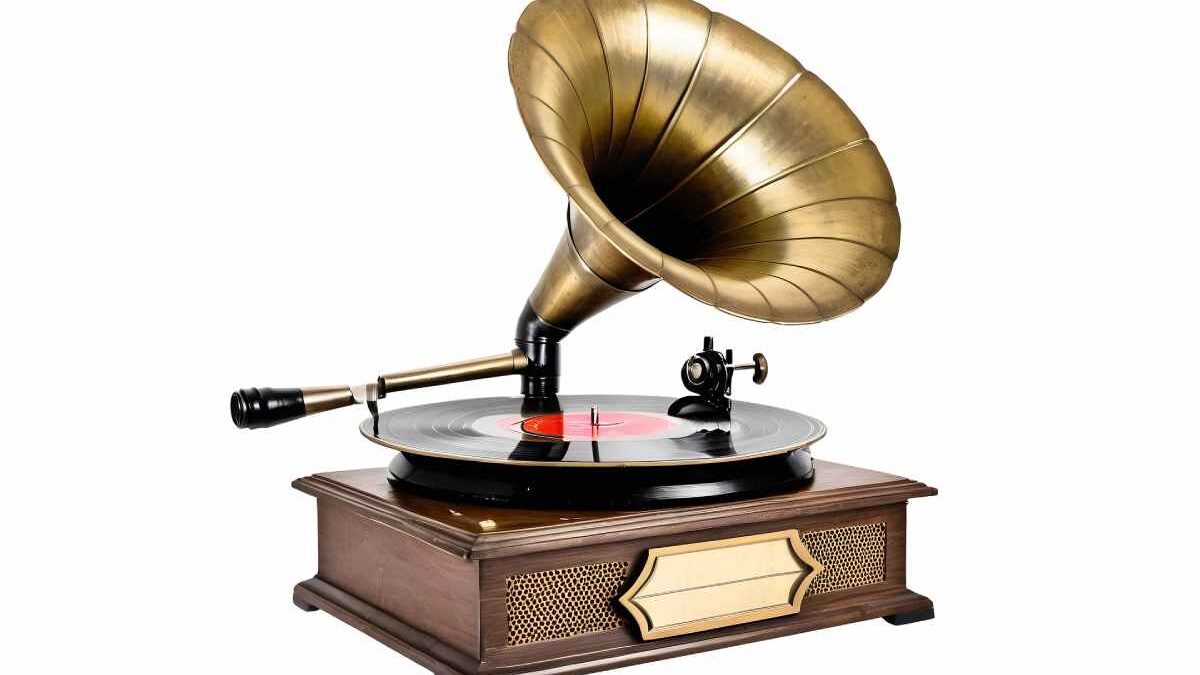
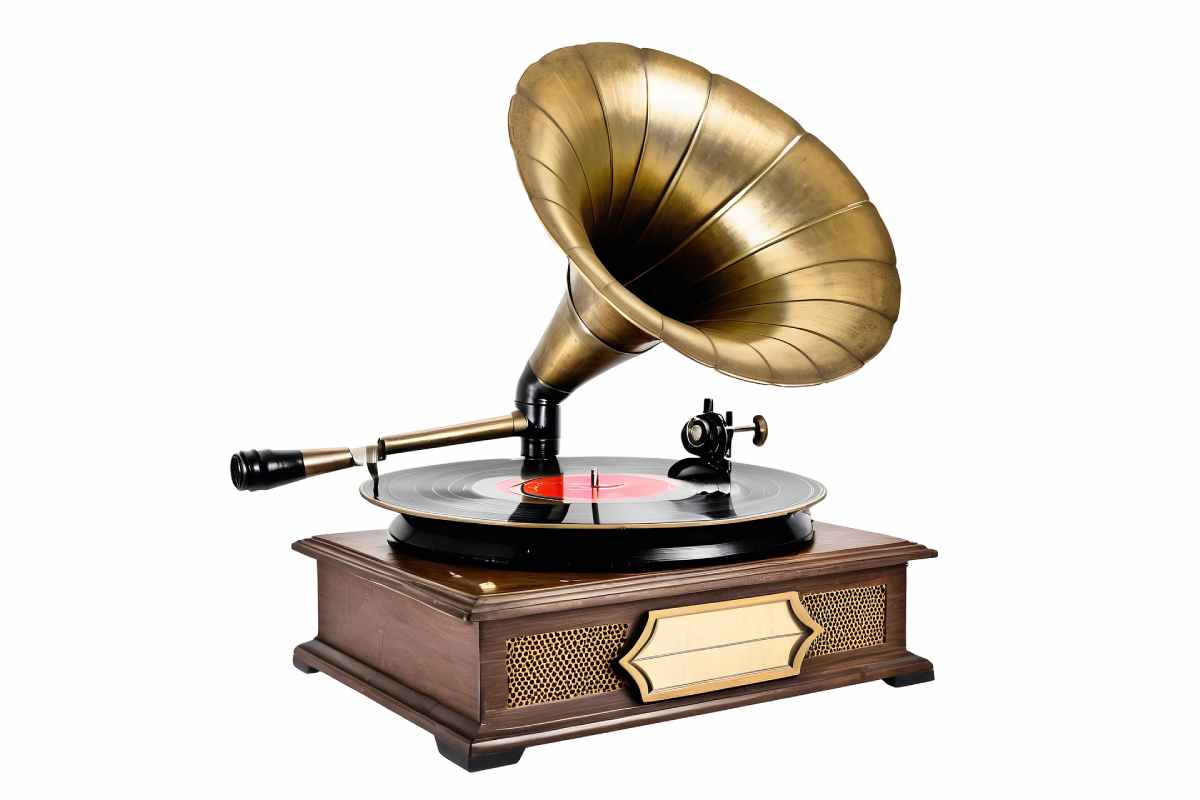
Record Player with Speakers: Are Built-In Speakers Worth Buying?
A record player with built-in speakers offers a simple way to enjoy vinyl records without purchasing a separate amplifier and speaker system. These turntables combine playback components in one compact unit, making them attractive to beginners, casual listeners, and people who prefer a clean, uncluttered setup.
However, convenience does not always mean better sound quality. Built-in speakers have limitations in stereo separation, bass response, volume, and upgrade flexibility. Before choosing an all-in-one record player, it is worth understanding how these systems work, which features matter, and when external speakers are the better investment.
Table of Contents
List of Turntables with Integrated Speakers
Several types of record players combine speakers with additional features. The following models illustrate different designs and functions. Availability, specifications, and connectivity can vary by version, so check the manufacturer’s documentation before purchasing.
1. Camry CR-1113 Wooden Turntable
The Camry CR-1113 is a retro-style record player with a wooden finish. Its advertised features include integrated speakers, three playback speeds, an LCD screen, and an AM/FM radio with frequency memory. An alarm-clock function also makes it suitable for users who want a multifunctional device.
This type of turntable is particularly appealing to people who value decorative design and everyday convenience. However, check the supported record formats and the availability of replacement styluses before making a purchase.
2. Soundmaster PL186H Vinyl Player
The Soundmaster PL186H combines a traditional appearance with integrated speakers and radio functionality. Its listed features include playback at 33⅓, 45, and 78 RPM, along with headphone connectivity and a dust cover.
The three-speed design can accommodate different record formats, provided the correct stylus is used for the record being played. Headphone connectivity is another useful feature when you want to listen privately without disturbing others.
3. Auna TT Classic WD USB Turntable
The Auna TT Classic WD combines a wood-style design with integrated speakers and USB functionality. Its distinctive appearance places the speakers within the turntable’s overall structure.
USB connectivity can be useful if the particular model supports transferring vinyl audio to a computer. Before relying on this feature, confirm whether the required recording software, cables, and digitisation functions are included.
4. Suntech PXR6SBTBK Turntable
The Suntech PXR6SBTBK is described as a multifunctional record player offering Bluetooth, USB, memory-card support, radio, and built-in speakers.
These features can make it more versatile than a basic record player. Nevertheless, Bluetooth functionality needs careful checking. Some models receive audio from a phone, while others transmit record playback to wireless speakers. These are different functions, so verify the supported Bluetooth mode before buying.
5. Auna NR-620 Music System
The Auna NR-620 is designed for users who want more than vinyl playback. Its listed functions include a turntable, CD and cassette playback, radio, USB and SD playback, and integrated stereo speakers.
A multifunctional system may suit households with older music collections and modern digital files. However, a greater number of features does not automatically mean better sound quality. Consider the quality of the turntable mechanism, cartridge, speakers, and available connections.
6. Lauson CL145 Turntable
The Lauson CL145 is described as a record player with integrated speakers, 33⅓ and 45 RPM playback, RCA output, auxiliary connectivity, and vinyl-to-MP3 conversion.
Its RCA output may allow connection to compatible external audio equipment. However, check whether the output is suitable for your amplifier or speakers and whether the built-in preamplifier is enabled or switchable.
What Is a Turntable with Built-In Speakers?
A turntable with built-in speakers is an all-in-one audio device that combines a record-playing mechanism and one or more speakers in the same enclosure. Depending on the model, it may also contain an amplifier, a phono preamplifier, Bluetooth, radio, or USB connectivity.
A conventional turntable usually works as one component in a larger audio system. It reads the grooves on a record and converts their physical movements into a small electrical signal. That signal must be processed and amplified before speakers can reproduce the music at a useful volume.
An all-in-one player simplifies this process by incorporating several components into one unit. You can often connect the device to power, place a record on the platter, and begin listening without assembling a separate audio system.
Some models use suitcase-style designs, while others resemble wooden cabinets or compact stereo systems. The design affects portability, available space, and ease of use, but it does not determine sound quality on its own.
Are Built-In Speakers Good Enough for Listening to Music?
The answer depends on your expectations and listening habits.
Built-in speakers are useful for casual listening, background music, and enjoying records without additional equipment. They are particularly convenient in bedrooms, small apartments, offices, and holiday homes.
However, compact speakers face physical limitations. Their small drivers and enclosures generally cannot reproduce deep bass or fill a large room as effectively as a well-designed external speaker system.
Stereo separation is another consideration. Music recorded in stereo uses separate left and right channels to create a sense of space. When both speakers sit close together inside one cabinet, the soundstage can feel narrow compared with two speakers placed apart.
Vibration can also affect performance. Speakers produce sound by moving air, and some of that energy can travel through the turntable’s enclosure. Under certain conditions, this vibration may reach the stylus and produce unwanted rumble or feedback, particularly at higher volumes.
These limitations do not mean every built-in-speaker turntable sounds poor. Design, speaker quality, cartridge performance, room placement, and volume all influence the result. A well-designed all-in-one system may satisfy a casual listener, even if it cannot match a more carefully assembled setup.
Turntables with Built-In Speakers vs. External Speakers
Choosing between integrated and external speakers comes down to convenience, sound quality, budget, and flexibility.
Built-in speakers offer simplicity. You do not need to choose separate speakers or arrange additional equipment. This makes them a practical starting point for someone discovering vinyl for the first time.
External speakers provide more flexibility. You can position them farther apart, select models suited to your room, and upgrade individual components over time. A pair of quality bookshelf speakers can deliver a wider stereo image and more controlled bass, depending on the complete system.
External speakers do not always require an expensive amplifier. Powered speakers contain their own amplification, although the system still needs a suitable phono preamplifier somewhere in the signal chain. Some turntables and powered speakers include this feature.
If you are building a wider home entertainment setup, compatibility is equally important across different devices. For example, our guide to Google Chromecast Black Friday explores a streaming device used with connected entertainment equipment. While streaming and vinyl playback work differently, checking connectivity and product features helps you choose equipment that suits your setup.
Are Record Players with Speakers More Expensive?
Not necessarily. The price depends on the turntable mechanism, speaker design, materials, brand, connectivity, and additional features.
An entry-level all-in-one player may cost less than purchasing a separate turntable, amplifier, and speakers. It also saves space and reduces setup complexity.
However, the lowest purchase price does not always represent the best long-term value. Some inexpensive models offer limited cartridge upgrades, difficult-to-replace styluses, or few external connections. If you later want better sound, you may need to replace the entire unit rather than upgrading one component.
A separate system can cost more initially, but it allows you to improve the speakers or turntable independently. Therefore, compare the total cost of the equipment you need instead of judging a product by its price alone.
Important Features to Check Before Buying
Before choosing a record player with built-in speakers, consider the following factors.
- Playback speeds: Check whether the turntable supports 33⅓ and 45 RPM. If you collect 78 RPM records, confirm that the model supports them and that you have the appropriate stylus.
- Cartridge and stylus: A replaceable stylus makes routine maintenance easier. Check replacement availability and compatibility.
- External outputs: RCA outputs can help you connect compatible amplifiers or external speakers. Confirm the output type and whether the internal preamplifier can be switched on or off.
- Bluetooth and USB: Verify the exact functions. Bluetooth reception, Bluetooth transmission, and USB recording are not interchangeable features.
- Build quality: A stable plinth, reliable tonearm, and consistent platter speed matter for playback.
- Upgrade options: Check whether you can replace the stylus, connect better speakers, or use an external amplifier.
- Warranty and support: Confirm the warranty terms and access to replacement parts before purchasing.
These checks help you avoid choosing a product based on appearance or a long feature list alone.
Can Built-In Speakers Damage Vinyl Records?
Built-in speakers do not automatically damage records. Record wear depends on several factors, including stylus condition, tracking force, cartridge alignment, and the quality of the turntable mechanism.
However, a poorly designed record player may offer limited adjustment or replacement options. Excessive tracking force or a worn stylus can increase record wear. Strong vibration can also interfere with playback, although the effect varies between models and listening conditions.
To protect your collection, keep records clean, handle them by their edges, and replace worn styluses according to the manufacturer’s recommendations. Place the turntable on a stable, level surface and avoid turning the volume up so high that the stylus skips or feedback occurs.
If you plan to collect valuable records and listen regularly, prioritise reliable tracking and maintainability rather than choosing a player based solely on its built-in speakers.
How Modern Technology Can Improve Your Listening Setup
A record player does not have to be the only device in your home entertainment setup. Depending on your equipment, you may combine vinyl playback with streaming devices, wireless speakers, or other compatible audio sources.
The key is to understand what each component does. A turntable reads physical record grooves, while a streaming device delivers digital media over a network. Connecting them to the same audio system may be possible, but it depends on the available inputs and outputs.
Smartphone features can also help you manage other parts of your everyday technology experience. Our guide to unlocking the Samsung Galaxy S10 and editing or resizing widgets explains ways to customise a smartphone’s home screen. Although these settings do not affect turntable sound, organising frequently used apps and controls can make a connected-device setup easier to manage.
Wearable technology is another part of modern life, particularly for people who track their daily activity and exercise. Before using a fitness tracker around water, it is important to understand its specific limitations. Our guide to whether the Fitbit Charge 2 is waterproof explains its water-resistance capabilities and the precautions to consider during everyday use.
Conclusion
A record player with built-in speakers can be an excellent choice if you value convenience, portability, attractive design, and simple setup. It allows you to enjoy vinyl without purchasing several separate audio components.
However, integrated speakers have limitations in stereo separation, bass response, and upgrade flexibility. If sound quality is your main priority, a turntable paired with suitable external speakers may offer a better long-term solution.
Before buying, compare the playback speeds, cartridge and stylus options, connectivity, build quality, and upgrade possibilities. Ultimately, the right choice is the one that matches your listening habits, available space, budget, and expectations.