
Table of Contents
Introduction to LTE Push-to-Talk Walkie-Talkies
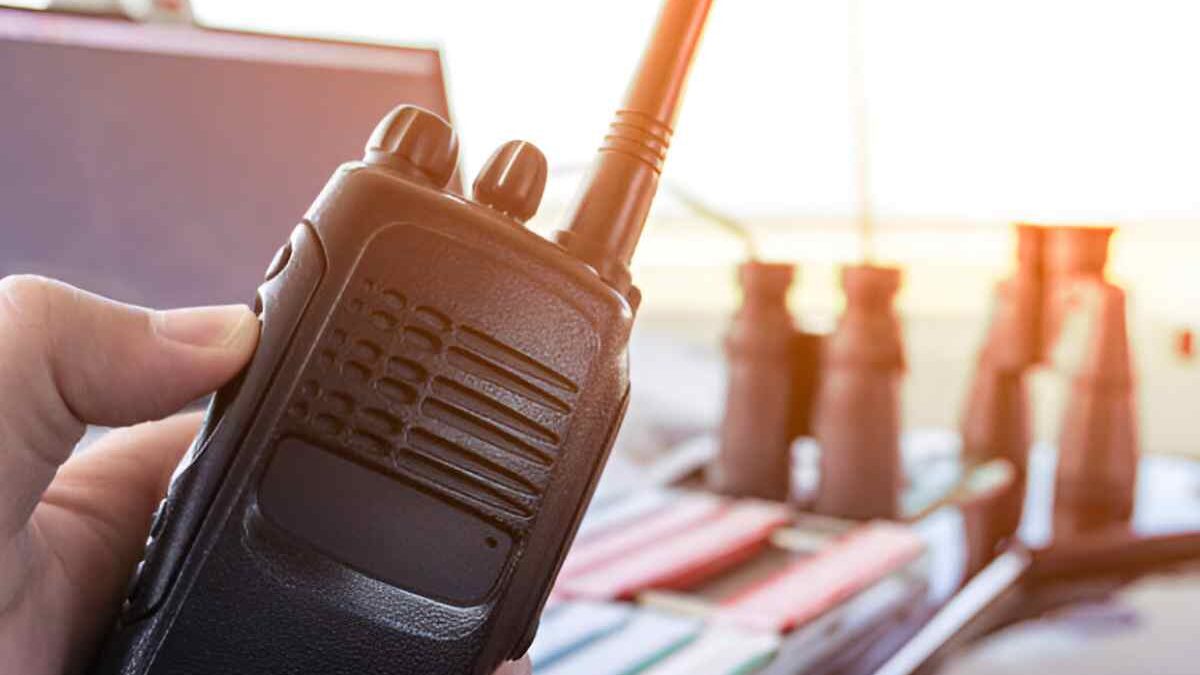
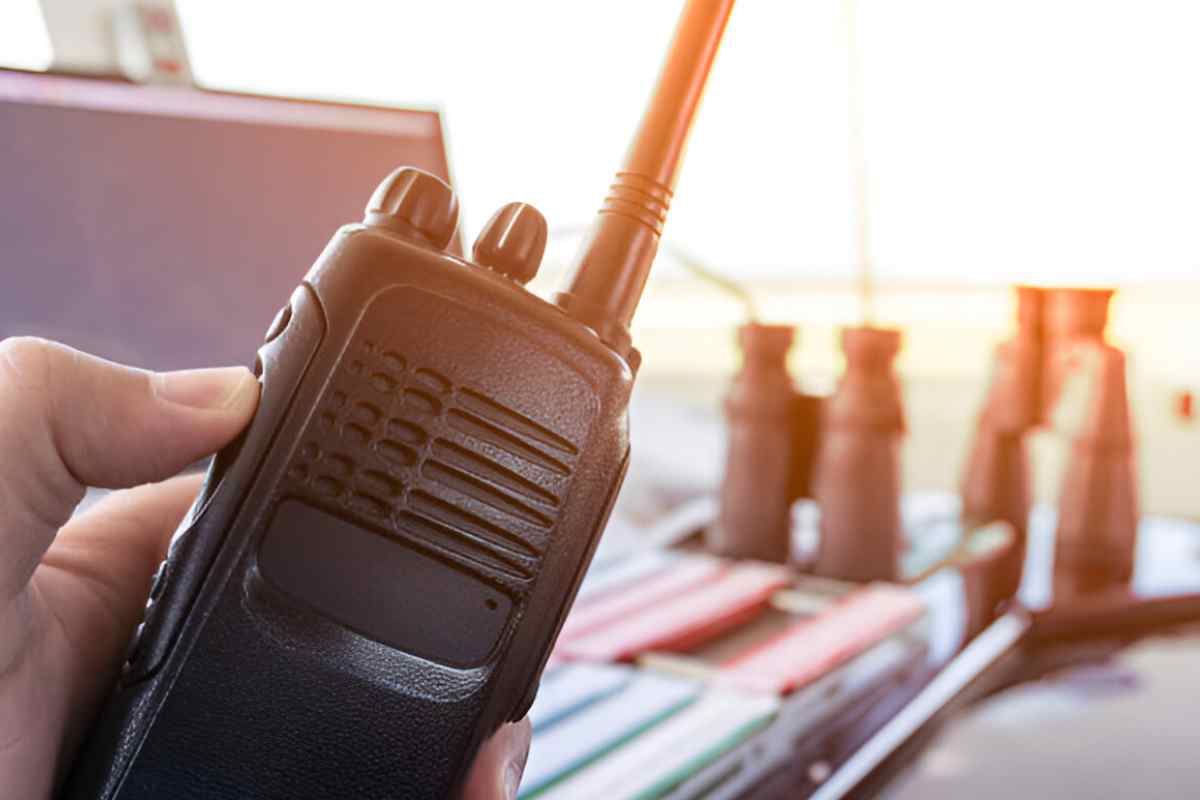
Walkie-talkies have been used for decades to make communication faster and easier. They allow people to exchange messages without making a traditional phone call. Security teams, construction workers, event organisers, and emergency personnel have long relied on two-way radios to coordinate their activities.
Traditional walkie-talkies use radio frequencies to communicate directly with nearby devices. Their range depends on factors such as transmission power, antennas, terrain, and physical obstacles. However, modern communication technology has introduced another option: LTE push-to-talk walkie-talkies.
Modern communication and production systems both depend on reliable technology and suitable equipment. For example, the Blackmagic Design ATEM Mini Extreme guide explores how an advanced video switcher connects multiple HDMI sources to support professional live streaming and video production. Like LTE push-to-talk devices, it demonstrates how specialised hardware can make professional communication and content workflows more efficient.
These devices use cellular networks and, depending on the model, Wi-Fi connections to support communication over much greater distances. They combine the familiar push-to-talk button with internet-based communication services.
This guide explores how LTE walkie-talkies work, their main benefits, and what users should consider before choosing one.
Nationwide Coverage Without Traditional Radio Range Limitations
Traditional walkie-talkies have a limited communication range. Two devices must generally be within a suitable radio coverage area to communicate directly. Buildings, hills, and other obstacles can also affect signal quality.
LTE push-to-talk devices work differently. They connect through cellular networks and a communication platform. This allows users to communicate across wider geographic areas without relying on a direct radio signal between handsets.
For example, a delivery team in one city may communicate with colleagues in another city if both devices have access to the required network and service.
Some systems also support Wi-Fi connectivity. This can provide another connection option in buildings or locations where a suitable Wi-Fi network is available. However, Wi-Fi support and automatic network switching depend on the device and service provider.
Wide-area coverage is useful for:
- Transport and logistics companies coordinating drivers.
- Security teams working across multiple locations.
- Construction businesses managing separate job sites.
- Event organisers coordinating staff across large venues.
- Emergency response teams communicating during planned operations.
LTE coverage is not literally unlimited. Communication depends on network availability, compatible cellular bands, service coverage, and the provider’s platform. <Cite refs={[“turn377335search0″,”turn377335search11”]}/>
Flexible Costs Without Traditional Radio Infrastructure
One advantage of LTE push-to-talk technology is that organisations can use existing cellular and Wi-Fi networks instead of building and maintaining a dedicated radio network.
This can reduce the need for expensive radio infrastructure and simplify deployment. Businesses can equip their teams with compatible devices and connect them to a supported communication service.
However, LTE walkie-talkies do not always operate without recurring charges. Some manufacturers offer devices with included service periods or no monthly fees, while other providers require subscriptions, SIM plans, or annual renewals.
Before purchasing a device, check:
- Whether a SIM card or data plan is included.
- Whether the communication platform requires a subscription.
- How long any included service period lasts.
- Whether group calling has additional charges.
- What renewal fees apply after the included period.
- Whether the service works in all required locations.
Comparing the total cost of ownership is more useful than looking only at the initial device price. <Cite refs={[“turn377335search1″,”turn377335search11”]}/>
Battery Performance for Daily Operations
Battery life is an important consideration for people who use communication devices throughout the day. Security staff, warehouse workers, drivers, and outdoor teams may not always have convenient access to charging facilities.
Some LTE push-to-talk radios offer high-capacity rechargeable batteries designed for extended operation. However, actual battery performance varies between models and depends on how the device is used.
Frequent group calls, GPS tracking, high speaker volume, weak network signals, and background applications can increase power consumption. Standby time may also differ considerably from continuous operating time.
Before choosing a model, review its official battery specifications and consider these points:
- Battery capacity and expected operating time.
- Charging time and charging connection.
- Availability of replacement batteries.
- Support for multi-device charging stations.
- Battery performance during frequent calls.
For businesses running long shifts, spare batteries or charging stations can help prevent communication interruptions.
Enhanced Privacy and Security Features
Privacy is important when employees exchange business information, operational instructions, or sensitive updates. Traditional analogue radio conversations may be easier to monitor with compatible radio equipment, depending on the frequency and system.
Many modern LTE push-to-talk platforms offer additional security features. Depending on the provider, these may include encrypted communication, private groups, user authentication, and administrator controls.
Some systems advertise AES encryption and end-to-end encryption. These terms are not interchangeable in every implementation, so buyers should check the manufacturer’s documentation to understand what protection is actually provided.
Organisations should also consider:
- Who can create and manage communication groups.
- How user accounts are authenticated.
- Whether lost devices can be disabled remotely.
- How call records and location information are stored.
- Whether encryption applies to all supported communication types.
For businesses handling confidential information, security should be checked before deployment rather than assumed from a product description.
Simplified User Experience and Instant Communication
A major benefit of push-to-talk technology is its straightforward operation. Instead of placing a conventional phone call, a user presses a dedicated button, speaks, and releases the button when finished.
This approach is useful when employees need to share short updates while performing other tasks. It can also reduce delays when several team members need to receive the same instruction.
Depending on the device and service, users may have access to features such as:
- One-to-one communication.
- Group voice calls.
- Emergency alert buttons.
- GPS location sharing.
- Call history and voice playback.
- Dispatch and team management tools.
Not every device includes all these features. Buyers should compare the available functions with their workplace requirements before making a decision.
Choosing LTE Walkie-Talkies for Professional Use
Selecting the right device involves more than checking its advertised range. A suitable model should match the environment, communication needs, and technical requirements of its users.
For example, a warehouse may need loud speakers and durable construction. A transport company may prioritise GPS tracking and vehicle accessories. An event management team may need private communication groups and reliable coverage across several areas.
Consider the following factors before purchasing:
- Network compatibility: Confirm that the device supports the cellular networks available in your operating area.
- Coverage: Test communication in the actual locations where employees will use the radios.
- Battery life: Compare realistic operating times rather than relying only on standby figures.
- Audio quality: Check speaker volume, microphone performance, and noise reduction.
- Security: Review encryption, user permissions, and account management.
- Service costs: Understand subscriptions, SIM charges, renewals, and support fees.
- Durability: Check water resistance, dust protection, and drop resistance where relevant.
The Lenovo Explorer features and compatibility guide provides another example of why hardware features and software compatibility matter when choosing connected technology. The same principle applies when selecting communication equipment for professional use.
LTE Push-to-Talk and the Future of Connected Communication
Push-to-talk technology continues to develop as businesses adopt connected devices and cloud-based communication platforms. Modern systems can combine voice communication with GPS tracking, dispatch software, messaging, and other operational tools.
These capabilities can help organisations coordinate teams across large areas. They may also reduce the need to manage separate communication systems for different departments.
The wider development of connected technology can be seen in other areas too. For example, the fastest emulator to play NieR Reincarnation explores how software compatibility and device performance affect digital experiences. Although gaming emulators serve a different purpose, both examples show why choosing technology that works well with the intended hardware and software is important.
As LTE and 5G networks continue to develop, push-to-talk services may gain additional capabilities. However, dependable coverage, suitable devices, and secure service platforms will remain essential.
Conclusion
LTE push-to-talk walkie-talkies offer a modern alternative to traditional two-way radios. By using cellular networks and supported Wi-Fi connections, they allow teams to communicate across wider areas without depending on conventional radio range alone.
Their benefits can include flexible deployment, group communication, security features, and integration with digital management tools. However, coverage, battery life, encryption, and service costs vary between products and providers.
Before investing in LTE walkie-talkies, compare the technical specifications, test coverage in your working locations, and check the full cost of the communication service. A suitable system can make everyday coordination easier for businesses, families, and professional teams.