
The latest polls are in—ads are maddening. Recent surveys show that the general public has developed quite a dislike for advertising. Over 74% of users report that there are too many ads, that they’re too aggressive and too intrusive. Consequently, people are doing everything they can to avoid them.
Another survey showed that since 2002 over 47% of users worldwide have been using AdBlock to filter out pesky social media advertisements. In the UK, the number is a whopping 35.2%. While this avoidance of internet pop-ups gives users peace of mind, it’s a big problem for companies looking to raise brand awareness. Namely, how do they let potential customers know about their products without becoming too pushy?
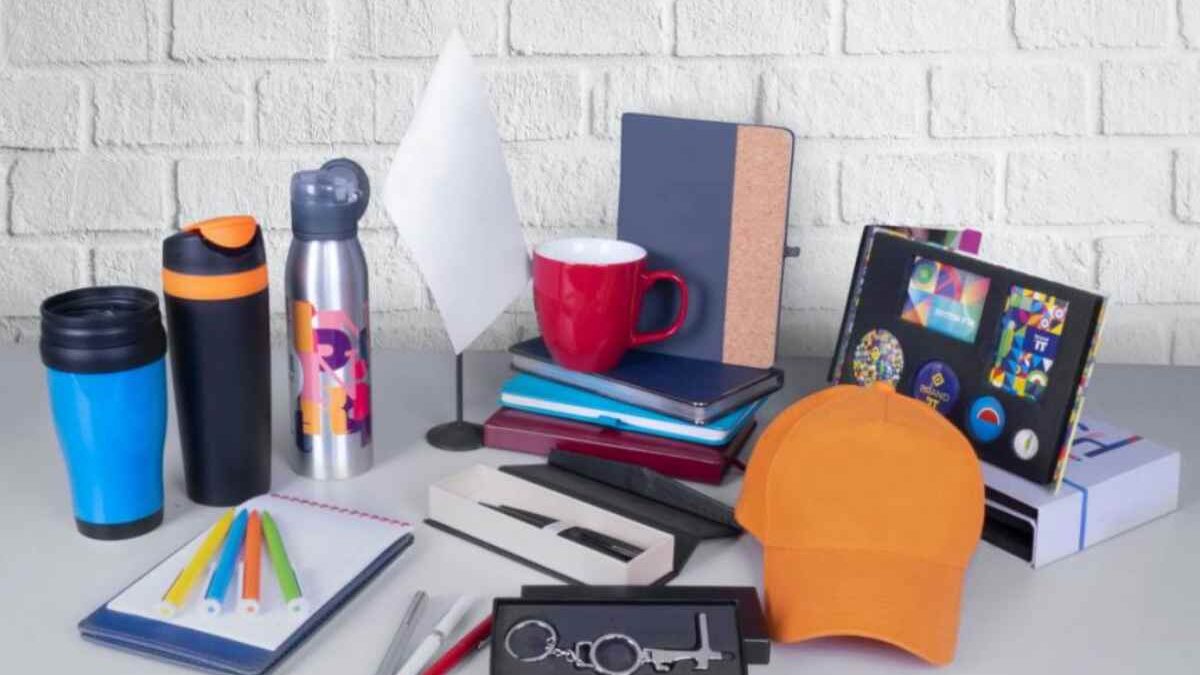
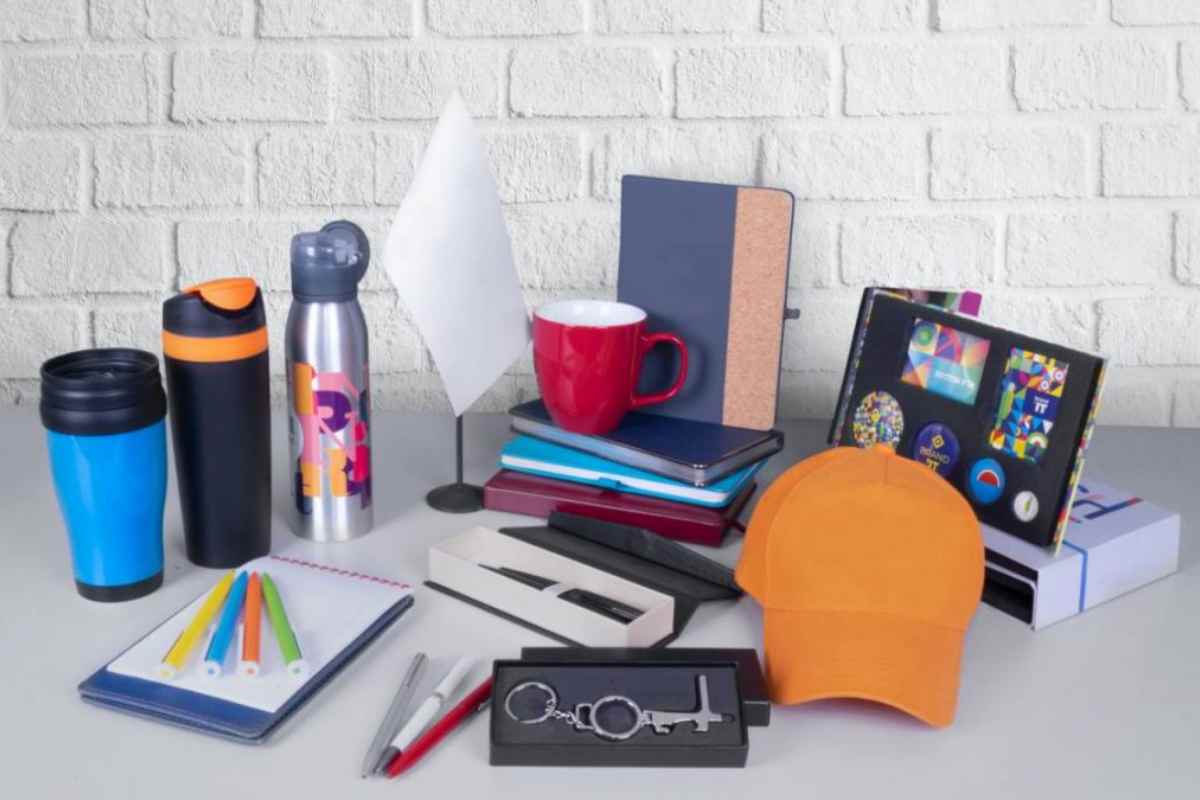
For many, the answer is simple—go back to doing things old school. In the era of cellphones and pop-ups, many companies have taken to doing promotional giveaways to stand out in an oversaturated market. The strategy may seem outdated, but the numbers show that it’s still as effective as ever.
But why is this the case? Why are promotional products better for brand awareness than regular ads? Moreover, why do recipients keep promotional products? Keep reading to find out everything about this simple yet powerful marketing strategy.
Table of Contents
Promotional Giveaways vs. Ads: Which is Better?
On the surface, social media ads look impressive. They can be creative, colourful, and flashy—three things that can effectively capture one’s attention. However, they don’t offer much beyond aesthetics.
Traditional ads hold the viewer’s interest only as long as they last. The moment they end, users are likely to forget them. So unless the ad contains a very memorable slogan or jingle, there is a very small chance customers will remember the brand, or think about it in their day-to-day life.
This time constraint is exactly why companies are so aggressive when it comes to pushing their ads. However, their efforts severely backfired, since seeing an ad constantly doesn’t make customers more interested in the brand. They actually end up more annoyed by it, because it intrudes on their activities.
Businesses can still use digital advertising effectively when campaigns are planned around the right audience and objectives. For example, Google Ads campaign management helps companies organize paid search campaigns, target relevant keywords, and measure advertising performance. However, paid advertising works best when it forms part of a wider marketing strategy rather than being the only method used to build brand awareness.
In contrast, promotional giveaways are more low-key. They avoid the biggest pitfalls of traditional ads by being a seasonal thing. According to GoPromotional in UK, customers are usually the ones who approach companies at fairs or tradeshows to receive the product; they are the ones choosing to engage with a brand. When it comes to marketing, customer agency is essential.
Then there are the products themselves. It is a universally acknowledged fact that everyone loves receiving free things. Plus, unlike digital ads, promotional products actually serve a purpose. Customers are therefore more likely to keep them and use them on a daily basis. This, in turn, ensures that they’ll get to see the brand logo for years after the campaign officially ends.
Top 5 Reasons People Keep Promotional Products
So, utility is a big reason why consumers save any promo products they receive. However, it’s not the only one. There are five common factors that play into why people keep the promotional products they receive.
Businesses across different industries can benefit from these factors. Even companies operating in specialized markets, such as cryptocurrency and blockchain, need ways to build recognition and maintain relationships with their audiences. A cryptocurrency marketing agency can help such businesses develop wider promotional strategies, while useful branded merchandise can provide an additional way to keep their brand visible beyond online campaigns.
1. They’re Good Quality
Quality matters, not just for promotional products but all products in general. When people pay for something, they want that product to last them a long time. That way, they know they’ve invested their money wisely and given it to a brand that was truly the cream of the crop.
This is why it’s important for companies to hand out good-quality promo products. Not only will that ensure that the customers will keep them, but it will also give them an image boost. A good promotional product translates to a trustworthy brand any customer would be happy to do repeat business with.
Imagine receiving two promotional products: a cheap plastic pen that stops working after a few days and a well-made notebook that remains useful for months. Most people would be more likely to keep the notebook. The quality of the item influences how recipients perceive the company behind it.
Businesses should therefore consider durability before placing large promotional orders. Choosing reliable materials and checking product samples can help avoid distributing items that quickly become damaged or unusable.
2. They Represent a Cause They Believe in
A very underrated aspect of a proper promotional product is its moral value. According to Gareth Parkin at GoPromotional, “People want to feel good about the purchases they make. Subsequently, they’re far more likely to go for products that align with their moral compass—even if the product is more expensive.”
Therefore, companies should always make sure their promo products support a good cause. If a product is ethical, then users are more likely to keep it. Not only that, but they’re more likely to show it off to others and spread the good word about the brand’s good values.
For example, businesses may choose reusable bottles, recycled notebooks, sustainable bags, or products made using responsibly sourced materials. These choices can appeal to customers who care about reducing waste and making environmentally conscious decisions.
However, companies should ensure that their sustainability claims are genuine. Simply printing an environmental message on a promotional item does not make it sustainable. Businesses should consider the materials, manufacturing process, packaging, and useful life of the product before promoting it as an ethical choice.
3. The Products are Functional
Gimmicks and aesthetics aside, there is one thing customers always want out of their promotional products—and that is functionality. If an item is largely useless, or if the recipient can’t use it on a day-to-day basis, then they will likely throw it away.
So while a niche or flashy branded item might seem like a good way to stand out, companies should always prioritize functionality. As the saying goes, a porcelain figurine is lovely to look at, but there’s not much else to it. And at the end of the day, usefulness always trumps looks, especially when it’s spring-cleaning time, and people need to choose what they’re going to toss in the bin.
Some popular functional promotional products include:
- Reusable water bottles: Useful at work, during travel, and while exercising.
- Branded pens: Simple items that people can use regularly at home or in the office.
- Tote bags: Practical for shopping, carrying everyday essentials, and attending events.
- USB accessories: Useful for people who regularly work with electronic devices.
- Notebooks and diaries: Helpful for organizing tasks, taking notes, and planning schedules.
The best choice depends on the intended audience. A technology company might prefer useful electronic accessories, while a business attending a trade show could choose bags or stationery. Understanding what recipients actually need makes promotional merchandise more effective.
4. The Customers Are Loyal to the Brand
Brand loyalty doesn’t frequently come up as a reason why customers keep promotional products. But it’s absolutely a factor. Businesses like Harley Davidson, Rolls Royce, Nike, and Apple all have a dedicated following that will treasure anything these companies put out. This applies even to cases where the products are mediocre at best.
So even if a company is just starting out, they should make sure they foster brand loyalty in their customers. This will guarantee them repeat business for years, or even decades to come!
Promotional products can strengthen this relationship by making customers feel appreciated. A useful branded gift offered after a purchase, during a special event, or as part of a customer appreciation campaign can create a positive experience.
However, promotional merchandise alone cannot create genuine loyalty. Businesses must also deliver good products, reliable customer service, and consistent value. When customers already trust a brand, a thoughtful promotional item can reinforce that relationship and remind them why they chose the company in the first place.
5. The Branded Items are Stylish, or Aesthetically Appealing
Appearances may not be everything, but they certainly matter. No customer will want to keep a promotional T-Shirt if they find it ugly or unflattering. Consequently, companies should make sure their promotional products look as good as possible with some custom designs.
This could involve adding a company logo, slogan, or other witty lines to the product. Or it could be ordering a set of customizable promotional products. Getting branded merch from such a trusted source ensures that companies will get a product that is affordable, visually stunning, and high-quality.
Design should also match the preferences of the intended audience. A product with a large, distracting logo may not appeal to everyone. In some cases, a smaller logo, attractive colour combination, and simple design can make the item more suitable for everyday use.
Businesses should consider the product’s overall appearance, packaging, material, and finish. A stylish promotional item is more likely to be used in public, which can also increase the number of people who notice the brand.
How to Choose the Right Promotional Products for Your Audience
Understanding why recipients keep promotional products is only the first step. Companies must also select items that match their audience and marketing objectives.
Start by considering the people who will receive the merchandise. Their age group, professional interests, lifestyle, and everyday requirements can influence which products they find useful.
For example, office workers may appreciate notebooks, pens, desk accessories, and reusable coffee cups. People who travel frequently might prefer compact bags, water bottles, or practical travel accessories. At an industry event, branded items related to the event’s theme may create a stronger connection with attendees.
Businesses should also consider the occasion. Promotional merchandise distributed at trade shows may serve a different purpose from gifts sent to existing customers. Trade show giveaways are often designed to introduce a brand, while customer appreciation gifts can help strengthen existing relationships.
Before ordering, companies should evaluate:
- Budget: Choose products that provide good value without compromising quality.
- Audience relevance: Select items that recipients are likely to use.
- Brand visibility: Make sure the logo and branding are clear but not overwhelming.
- Product durability: Avoid items that are likely to break or become unusable quickly.
- Quantity: Order enough products for the intended campaign without creating unnecessary waste.
- Presentation: Consider packaging and how the item will be presented to recipients.
A carefully selected promotional product can create a better impression than distributing large quantities of inexpensive items that people do not need.
Measuring the Impact of Promotional Product Campaigns
Promotional products can support brand awareness, but businesses should still evaluate whether their campaigns are achieving the intended results. Measuring performance helps companies understand which products and distribution methods provide the most value.
One useful indicator is recipient feedback. Businesses can ask customers whether they found the promotional item useful, attractive, and relevant. This information can help improve future merchandise choices.
Companies can also monitor changes in brand engagement, website visits, enquiries, and customer interactions following a promotional campaign. For trade shows and events, tracking the number of meaningful conversations or follow-up enquiries can provide additional insight.
Some businesses use unique QR codes, campaign landing pages, or promotional codes on their merchandise. These methods can help connect offline promotional activity with online engagement.
It is also useful to compare the cost of producing and distributing promotional items with the benefits generated. Although some results, such as long-term brand recognition, are difficult to measure precisely, businesses can still use customer feedback and campaign data to make better decisions.
To Sum Up
Why do customers keep promotional products? Because they like them! But beyond personal preferences, several other factors influence a promotional product’s staying power. Quality, functionality, attractive design, ethical value, and brand loyalty all contribute to a customer’s decision to keep an item.
These factors also play a key role in determining how customers perceive a brand and whether they choose to do business with it again. Companies should therefore focus on providing promotional products that offer genuine value instead of distributing items simply to display a logo.
When selected carefully, promotional giveaways can create positive experiences, strengthen customer relationships, and keep a brand visible long after a campaign has ended. In a market where people increasingly avoid intrusive advertising, useful and thoughtfully designed promotional products remain a practical way for businesses to make a lasting impression.