
Businesses that operate across multiple locations or use several electricity and gas meters often face complex energy management challenges. Each meter may have a separate contract, supplier, tariff, and renewal date. Keeping track of everything can take valuable time and make it harder to control energy costs.
Multi-site energy meters offer a way to organise energy supplies across different premises or several meters at one site. With the right contract and management approach, businesses can simplify billing, monitor usage, and plan future renewals more effectively.
Table of Contents
What Are Multi-Site Energy Meters?
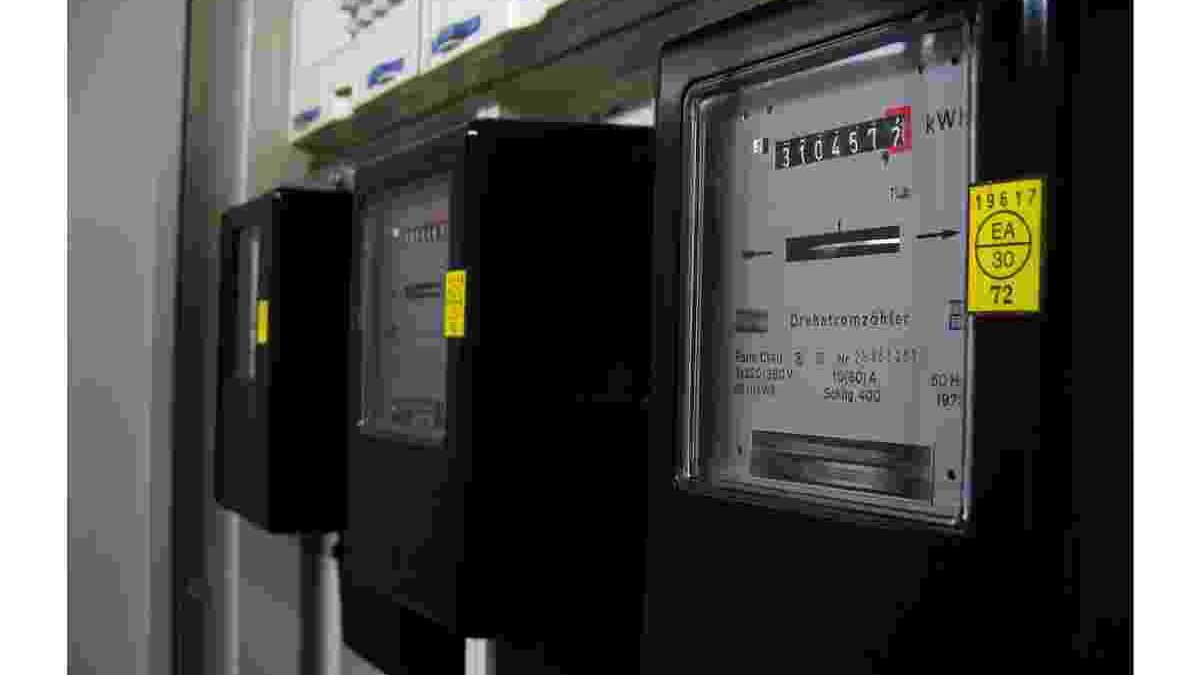
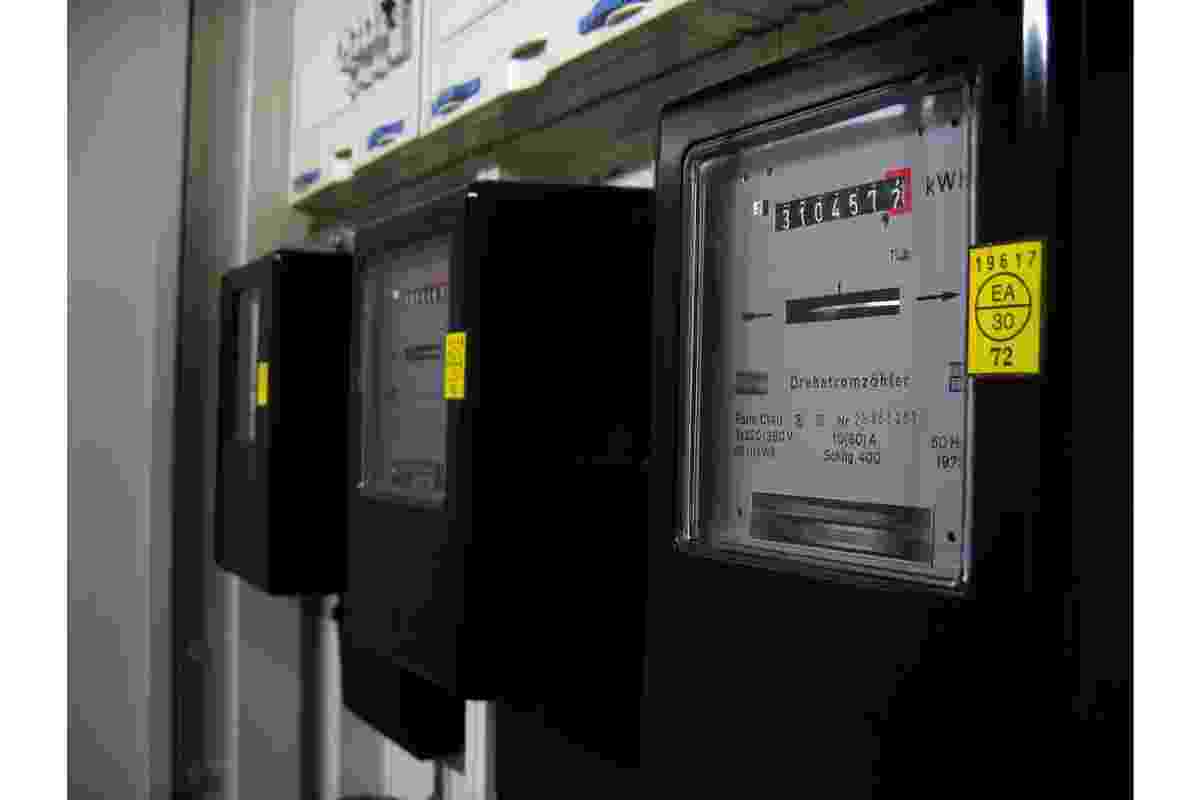
Multi-site energy meters are electricity or gas meters used across multiple business locations or within a single large property. For example, a retail company may have separate meters at several shops. A manufacturing facility may also use multiple meters to measure energy consumption in different areas.
Managing these meters requires accurate information about each supply point. Businesses need to know which meter serves each location, who supplies the energy, how much energy is used, and when each contract ends.
A well-organised system helps businesses understand their total energy requirements and identify opportunities to improve efficiency.
Technology plays an important role in both business operations and personal fitness. For another example of a technology-based device, explore our guide to the Garmin Forerunner 645 Music, which covers its music playback, GPS tracking, and fitness features.
What Is a Multi-Site Energy Contract?
A multi-site energy contract is an arrangement that covers energy supplies for more than one meter. It may include several business premises or multiple meters at a single location.
Instead of managing every supply agreement separately, a business may be able to combine eligible meters under one contract or negotiate a coordinated energy arrangement.
This can offer several advantages:
- Simpler contract management: Fewer separate renewal dates can make administration easier.
- Improved cost control: Combining energy requirements may create opportunities to negotiate suitable rates.
- Centralised administration: Businesses may find it easier to manage supplier communication and account information.
- Better planning: A coordinated contract can help businesses prepare for future renewals.
- Clearer energy oversight: Consolidated information can make it easier to review consumption across locations.
However, a single contract is not always the right choice. Some businesses may benefit from using different suppliers or contract types for specific sites. The best arrangement depends on energy usage, location, meter details, and available supplier terms.
How Energy Experts Can Manage Multiple Meters
Managing several electricity and gas meters can become complicated, especially when contracts have different end dates. Energy consultants and brokers can help businesses organise this process.
They may review existing contracts, collect meter information, and compare available offers from energy suppliers. This gives businesses a clearer view of their options before making a decision.
Energy experts can also help with:
Reviewing energy requirements: They examine the number of meters, locations, consumption patterns, and existing agreements.
Comparing supplier offers: They request quotes and explain differences in rates, contract periods, standing charges, and other terms.
Coordinating contract renewals: They help businesses track important dates and prepare for upcoming renewals.
Supporting supplier changes: If a business chooses a new deal, the adviser may help coordinate the switching process.
Some energy advisers also provide ongoing account support. This can include reminders about contract end dates and assistance with future energy comparisons.
Before choosing an adviser, check their fees, supplier relationships, services, and whether they compare a broad range of suitable offers.
Important Factors to Consider Before Choosing a Contract
A multi-site contract should match the actual needs of your business. Do not choose an offer based only on its advertised unit rate.
Consider these factors before signing:
- Number of meters: Confirm how many electricity and gas meters are included.
- Meter details: Check that the meter information and supply addresses are correct.
- Contract duration: Understand when the agreement starts and ends.
- Unit rates: Compare the price charged for each unit of energy used.
- Standing charges: Check the fixed daily charges that apply to each meter.
- Renewal conditions: Understand what happens when the contract expires.
- Exit fees: Check whether leaving the agreement early involves additional costs.
- Payment terms: Review billing frequency, payment methods, and any additional charges.
Also ask whether all sites must join the same contract. Some suppliers may have restrictions based on location, meter type, or energy consumption.
How to Keep Track of Energy Usage Across Different Sites
A multi-site energy arrangement is easier to manage when businesses maintain accurate records. Start by creating a central list of all meters and their associated properties.
Include the meter reference, supply address, current supplier, contract end date, and recent energy usage. Update this information whenever a meter or contract changes.
Regular meter readings can also help businesses identify unusual consumption patterns. For example, a sudden increase in electricity usage at one location may indicate inefficient equipment or an operational issue.
Businesses with several locations can use energy monitoring tools to compare consumption. This makes it easier to identify sites that may benefit from improved lighting, heating, cooling, or equipment controls.
For a broader look at how technology supports monitoring across different locations, see our guide to G-Sync Optimise Settings. Although it covers display technology rather than energy management, it provides another example of how specialised settings can help manage equipment performance.
Why Contract Renewal Dates Matter
One of the biggest challenges of managing multiple energy meters is keeping track of contract end dates. If a business misses a renewal window, its energy supply may move to a different rate under the supplier’s terms.
This can make budgeting more difficult. It may also reduce the time available to compare alternative suppliers.
A central renewal calendar can help prevent this problem. Record each contract’s end date and set reminders well before the renewal period begins.
Businesses should also review their energy needs before renewing. A site may have expanded, reduced its operating hours, or installed more efficient equipment since the previous agreement.
These changes can affect the amount of energy required and the type of contract that makes sense.
The Role of Technology in Business Energy Management
Technology can help businesses organise information from multiple sites. Energy dashboards, smart meters, and monitoring systems can provide useful data about consumption and operating patterns.
However, businesses should understand what each system can actually measure. A smart meter records energy usage, while a wider energy management platform may combine information from several meters and locations.
Good data management is important too. Businesses should keep meter records accurate, protect account information, and make sure the people responsible for energy contracts can access the information they need.
For another example of how digital technology is used in everyday life, explore our guide to Trendzguruji.me Awareness, which discusses online information and digital awareness.
Conclusion
Multi-site energy meters can make energy management challenging when every location has separate suppliers, contracts, and renewal dates. A coordinated energy contract may simplify administration and create opportunities to negotiate suitable rates.
However, businesses should compare the full contract terms before combining their meters. Accurate meter records, regular energy monitoring, and timely renewal planning are also essential.
With a clear management process and the right support, businesses can keep better control of their energy agreements and make more informed decisions about future energy costs.