
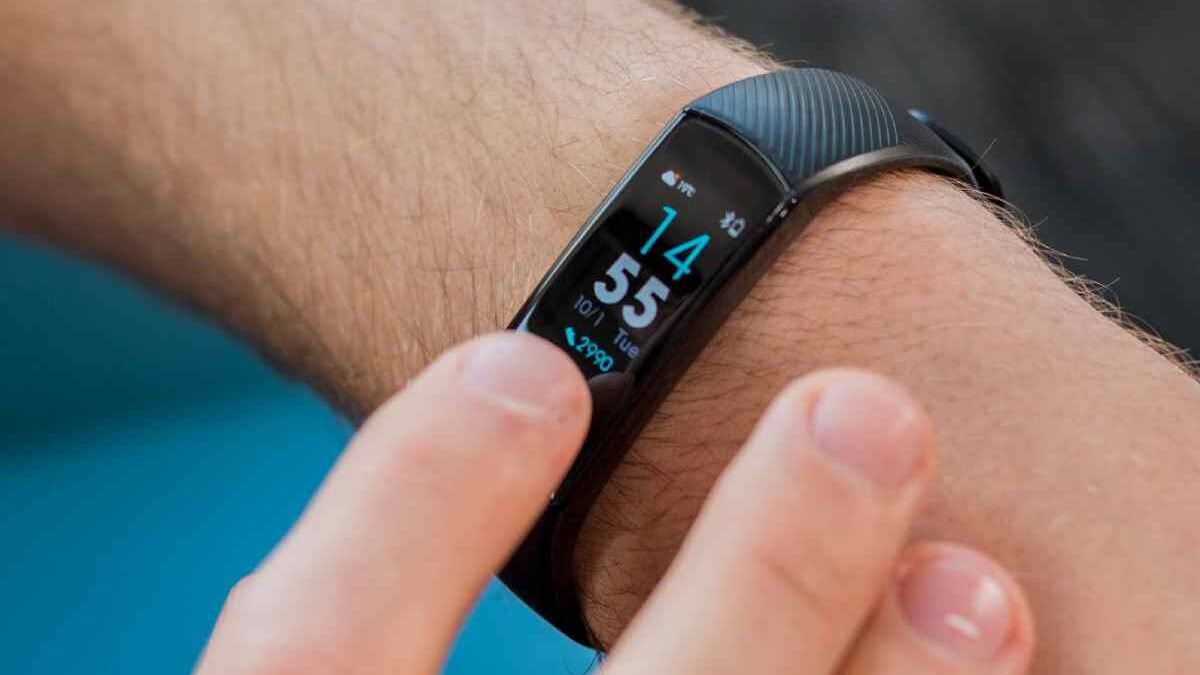
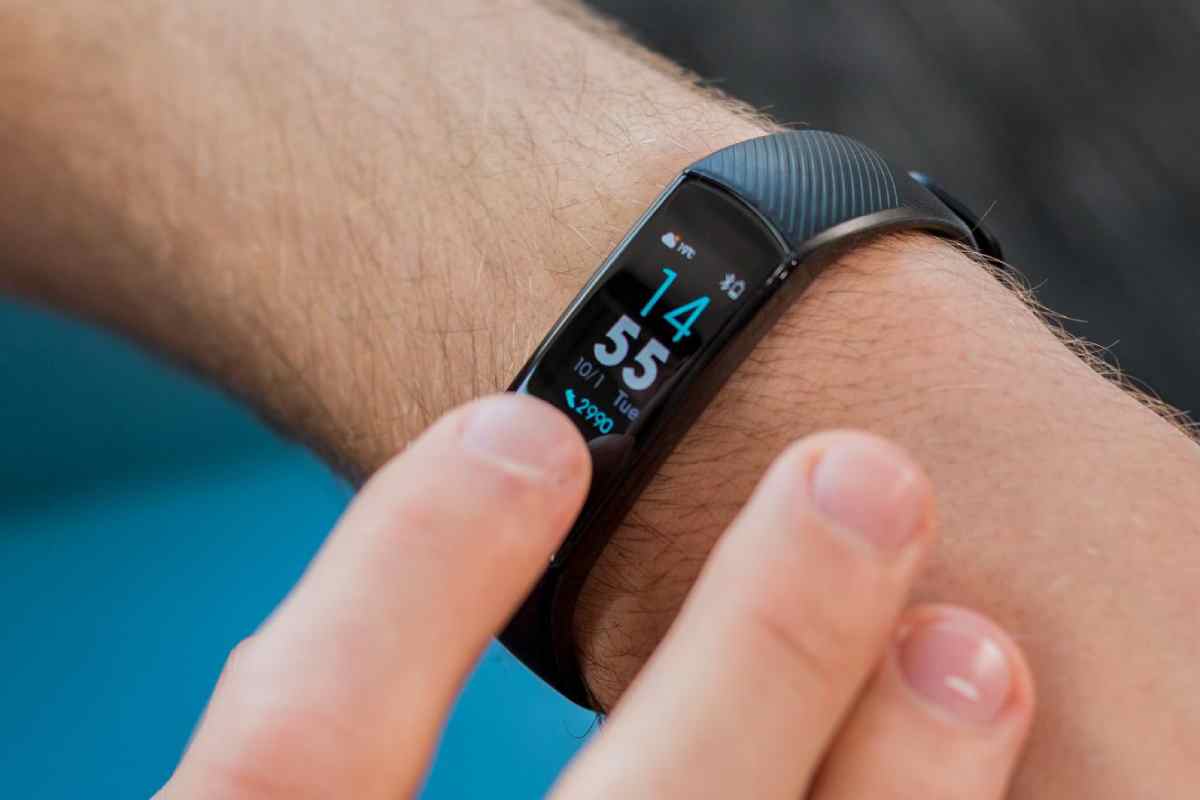
The Honor Band 5 is an affordable fitness tracker designed for people who want to monitor daily activity, check smartphone notifications, and understand their sleeping habits without spending money on an expensive smartwatch. Its lightweight design, colourful AMOLED display, and useful health-tracking features make it an interesting option for everyday use.
Launched in 2019, the Honor Band 5 competed with popular budget fitness bands, including the Xiaomi Mi Smart Band 4. Both devices focused on essential fitness features rather than advanced smartwatch functions. However, the Honor Band 5 stood out with its sleep monitoring, blood oxygen measurement, and swimming-related features.
Although it is now an older wearable, examining its design, performance, battery life, and limitations helps explain what made it popular and what buyers should consider before choosing one today.
Table of Contents
Design and Comfort: Lightweight Enough for Everyday Wear
The Honor Band 5 follows the familiar design of a slim fitness tracker. Its lightweight body and flexible silicone strap make it comfortable for daily activities, including walking, exercising, working, and sleeping.
The device weighs approximately 22–23 grams, depending on the specification source and configuration. Its compact design also makes it less noticeable than a traditional smartwatch. You can wear it throughout the day without feeling that you have a large device attached to your wrist.
The strap includes multiple adjustment holes, allowing users to find a comfortable fit. However, the plastic construction does not feel as premium as the metal or glass finishes found on more expensive wearables. The strap’s fastening mechanism is also worth inspecting carefully when buying a used unit.
The tracker was available in colours such as black, blue, and pink, although availability varied by market.
One of its practical advantages is its 5ATM water-resistance rating. HONOR states that the band is suitable for swimming under the conditions covered by its rating. However, water resistance does not mean that it is suitable for every water activity. Avoid exposing an older device to high-pressure water, and rinse it with fresh water after swimming in a pool or seawater.
Overall, the design prioritises comfort and practicality over luxury. That approach suits a fitness band intended for everyday monitoring.
AMOLED Display: Colourful, Clear, and Easy to Use
The Honor Band 5 features a 0.95-inch full-colour AMOLED touchscreen with a resolution of 120 × 240 pixels. Although the screen is small, it provides enough space to display the time, activity statistics, heart-rate readings, and short smartphone notifications.
AMOLED technology produces deep blacks and vivid colours. This helps the watch faces look attractive, while the dark background blends naturally with the surrounding screen area.
The display is generally clear indoors, and brightness can be adjusted to suit different environments. However, visibility may become less comfortable under direct sunlight, particularly when the screen brightness is not high enough.
The touchscreen provides access to the device’s menus, while a touch-sensitive button below the display makes navigation easier. You can move between activity information, heart-rate monitoring, workouts, sleep data, and settings.
One limitation is the screen’s size. Long messages are difficult to read, and small touch controls sometimes require careful swiping. Some reviews also reported occasional missed touches or delayed responses.
For checking the time and viewing quick updates, the display works well. For typing messages or reading lengthy notifications, a smartphone remains the better option.
Fitness Tracking and Daily Activity Monitoring
The Honor Band 5 is designed to make basic fitness information easy to access. It records daily steps, estimates distance travelled, calculates activity-related calorie expenditure, and provides information about exercise sessions.
These measurements can help users understand their routines. For example, someone who spends most of the day sitting can use step counts and inactivity reminders as prompts to move more regularly.
The tracker supports several workout modes, including walking, running, cycling, and swimming. The exact availability of individual modes can depend on the software version and regional configuration.
However, activity measurements should be treated as estimates rather than exact scientific results. Step counts can vary with wrist movement, while calorie calculations depend on assumptions about activity and personal characteristics.
The Honor Band 5 also lacks built-in GPS. When an outdoor activity requires location-based distance tracking, it generally relies on a connected smartphone where supported. This means you may need to carry your phone to obtain more useful route information.
If you are interested in activity tracking alongside other technology, our guide to the DJI Mavic 3 Pro explores a different type of device used for outdoor recording and content creation. A fitness band and a camera drone serve very different purposes, but both illustrate why it is important to understand a device’s actual capabilities before buying it.
Heart Rate and Blood Oxygen Monitoring
Heart-rate monitoring is one of the Honor Band 5’s main health-related features. The optical sensor measures pulse through the skin and can provide readings during daily activity or exercise. Depending on the settings, users can choose different monitoring frequencies.
Frequent measurements may provide more information about changes throughout the day, but they can also consume more battery power.
The band also introduced SpO2 measurement, which estimates blood oxygen saturation. This feature attracted attention because it was not commonly available across all budget fitness trackers at the time.
However, feature availability varied by market and software version. Some early reviews reported that SpO2 monitoring was unavailable initially or added through a later software update.
Most importantly, the Honor Band 5 is not a medical device. Its readings should not be used to diagnose a health condition or replace professional medical equipment. Movement, sensor positioning, cold skin, and other factors can affect measurements.
For general personal reference, these features may be useful. For medical decisions, rely on appropriate clinical advice and validated equipment.
Sleep Tracking: Understanding Your Nightly Routine
Sleep tracking is another important feature of the Honor Band 5. Using its sensors and Huawei’s TruSleep technology, the band estimates sleep duration and identifies different sleep stages, including light sleep, deep sleep, REM sleep, and periods of wakefulness.
The companion application presents these estimates in a more detailed format than the band itself can display. It may also offer suggestions related to sleep habits and routines.
For example, reviewing sleep records over several nights may help you notice an irregular bedtime or changes in sleep duration. These patterns can encourage more consistent habits.
Nevertheless, a wrist-worn tracker cannot measure every aspect of sleep with clinical precision. Its sleep-stage classifications are estimates based on sensor data and algorithms, not a substitute for a sleep study.
Wearing the band comfortably and keeping it charged are important for collecting useful overnight information. If the strap is too loose, the sensors may struggle to maintain consistent contact with the skin.
Smartphone Notifications and Useful Everyday Features
The Honor Band 5 does more than count steps. When paired with a compatible smartphone, it can display incoming call alerts, text messages, and notifications from supported applications.
Users can select which apps are allowed to send alerts to the band. This is helpful when a phone is inside a bag or pocket, as a vibration can indicate that a message has arrived.
However, the screen cannot display a complete conversation comfortably. Short messages are easier to read, while longer notifications may be truncated. The band is primarily intended for viewing information, not responding to messages directly.
Other functions include alarms, timers, a stopwatch, phone-finding features, and a wrist-raise gesture that activates the display. Supported software versions also offer remote music controls for compatible applications and phones.
The companion health application provides access to activity records, sleep information, and supported watch faces. Features can vary by phone operating system, app version, and region.
If you are comparing older mobile devices, our guide to the Sony Xperia X offers another example of technology from the same broad period. Before pairing an older smartphone with a wearable, check the current compatibility requirements rather than assuming that every historical combination will still work.
Battery Life and Charging Experience
Battery life depends heavily on how the Honor Band 5 is configured. HONOR advertised extended battery performance under particular conditions, but real-world results vary with screen brightness, notification frequency, heart-rate monitoring, and sleep tracking.
Independent reviews reported noticeably different results depending on usage. With several monitoring features enabled, some reviewers obtained around a week of use, while lighter settings could extend the time between charges.
This difference matters because advertised battery life is not a guarantee of everyday performance. Continuous monitoring and frequent screen activation generally require more energy.
The band uses a dedicated charging cradle rather than a standard USB-C port. The charger is compact, but it is also a proprietary accessory that can be inconvenient to replace if lost.
If you are purchasing a second-hand unit, confirm that the charger is included and that the battery still holds a reasonable charge. An older wearable may have reduced battery capacity even if it originally offered good endurance.
Beyond fitness wearables, practical design also matters when comparing home electronics. For example, the Sony HT-X8500 soundbar combines a compact form with built-in subwoofers, offering an example of how manufacturers balance space and functionality in different types of consumer technology.
Is the Honor Band 5 Still Worth Buying?
The Honor Band 5 can remain useful for basic activity tracking, short notifications, and sleep estimates. Its lightweight construction and colour display are appealing, while its water-resistance rating and range of exercise modes make it versatile for everyday routines.
However, its age introduces several limitations. App compatibility may change, software support may be limited, and replacement straps or charging accessories may be harder to find. Its lack of built-in GPS and small notification screen may also disappoint users who expect more advanced features.
Before buying one today, compare its price with newer fitness trackers. A newer model may provide better connectivity, more reliable software support, and improved sensors. If the Honor Band 5 is available at a very low price and works with your phone, it may still be suitable for simple needs.
Final Verdict
The Honor Band 5 offered strong value when it launched by combining a colourful AMOLED display, activity tracking, sleep monitoring, heart-rate measurements, and smartphone notifications in a lightweight device.
Its main strengths are comfort, a useful set of everyday features, and swimming support. Its weaknesses include limited notification handling, occasional touchscreen issues, dependence on a companion phone for certain functions, and battery performance that varies with settings.
Today, the best reason to choose it is affordability rather than cutting-edge technology. Check the device’s condition, charging accessories, app compatibility, and software limitations before purchasing.
For users who want a simple wearable to encourage daily movement and provide quick updates, the Honor Band 5 can still be practical. Those seeking advanced sports tracking, extensive smartwatch apps, or long-term software support should compare newer alternatives first.