
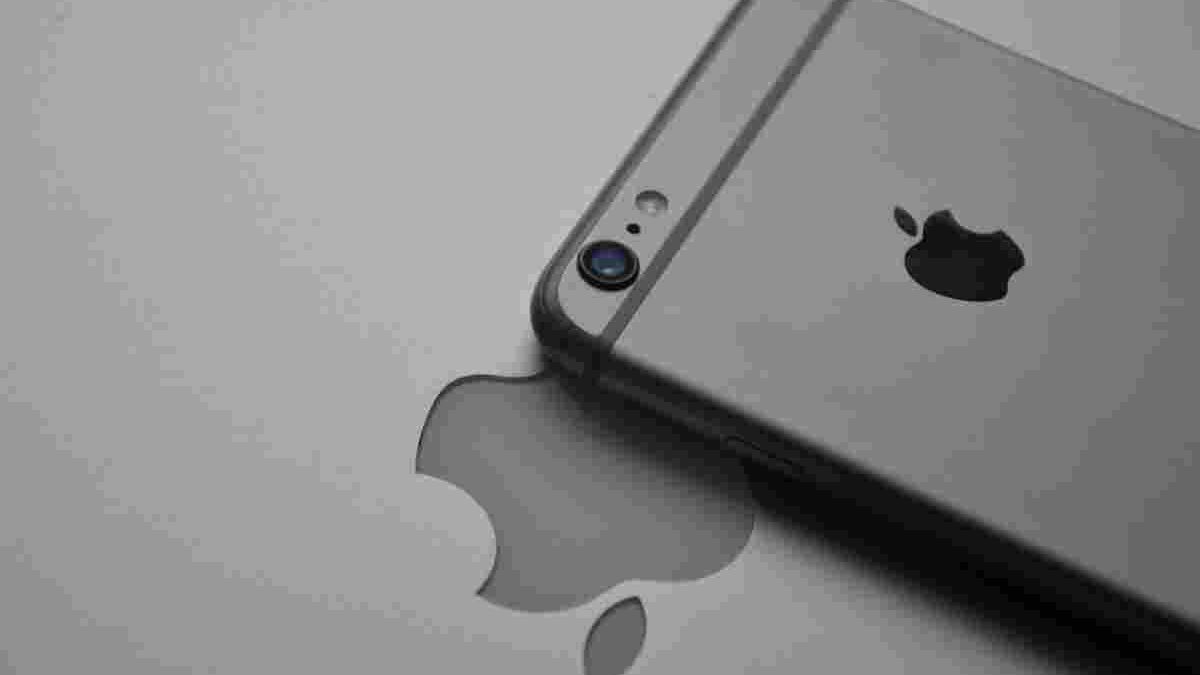

Apple’s rumoured Blush Gold iPhone X attracted considerable attention in 2018. Reports suggested that the company might introduce a new finish to refresh interest in its premium smartphone. Images and leaks appeared to support the possibility, while some analysts believed a new colour could attract buyers who wanted something different from the original models.
However, rumours and official announcements are not the same. Apple ultimately released the iPhone X in Silver and Space Gray, without a Blush Gold option. The company later introduced a gold finish with the iPhone XS and XS Max, while the iPhone XR brought a wider selection of colours to the lineup.
Understanding what happened helps explain Apple’s product strategy, the role of smartphone design, and why a new colour can generate so much interest even when the underlying hardware remains unchanged.
Table of Contents
Blush Gold iPhone X: What Did the Rumours Say?
Before the iPhone X launched in November 2017, reports suggested that Apple was developing a gold version. The proposed finish became known as Blush Gold and was expected to offer a warmer appearance than the company’s existing silver and darker finishes.
In March 2018, technology publications reported renewed claims that the gold model could enter production. Images shared by leaker Benjamin Geskin appeared to show a gold-coloured iPhone X and related components.
These reports attracted attention because Apple had previously offered gold finishes on other iPhone models. A new colour could also give shoppers another reason to consider the premium device several months after its original release.
Nevertheless, the reports did not confirm a commercial launch. Even when photographs or regulatory documents show that a company has developed a particular design, they do not prove that the product will reach stores.
For buyers, this distinction matters. Leaked photographs can reveal genuine prototypes, but companies frequently test colours, components, and designs that never become retail products.
Why Apple Did Not Release a Gold iPhone X
The exact reason Apple did not release the rumoured Blush Gold iPhone X was never publicly confirmed in a definitive announcement. Contemporary reports discussed possible manufacturing difficulties, but those explanations should be treated as reporting and speculation rather than an official statement from Apple.
Producing a new smartphone finish involves more than choosing a colour. The glass, metal frame, coatings, and manufacturing processes must work together to create a consistent appearance across large production volumes.
A colour can look attractive in a prototype but prove difficult to manufacture consistently. Variations in coating, reflection, or material appearance may also affect the final result.
Apple’s priorities extend beyond appearance. A new finish must fit production schedules, quality standards, and inventory planning. If a company decides that a colour is not ready or does not fit its launch strategy, it can postpone or cancel that option.
The important point is that the Blush Gold iPhone X remained an unreleased variant. Anyone shopping for an original iPhone X should not expect an official factory version in that colour.
Could a New Colour Have Improved iPhone X Sales?
Some reports suggested that a new gold finish could help refresh interest in the iPhone X. This was a plausible marketing idea, but there is no clear evidence that launching Blush Gold would have reversed Apple’s overall sales performance.
Colour can influence purchasing decisions. Some buyers prefer understated finishes, while others want a device that stands out. A new colour can also make an existing model feel fresh without requiring a complete redesign.
However, smartphone sales depend on several factors. Price, performance, camera quality, battery life, software features, and competition all influence demand. A colour change alone is unlikely to address every concern a potential buyer may have.
The original iPhone X introduced a major design change, including an OLED display, Face ID, and the removal of the traditional Home button. These changes helped distinguish it from earlier iPhones, but its premium launch price also placed it beyond some budgets.
A new finish might have attracted buyers who liked the design but wanted a different appearance. It would not, by itself, have made the device more affordable or improved its underlying hardware.
The iPhone X’s Official Colours and Design
Apple introduced the iPhone X in September 2017 and made it available in November that year. Its official finishes were Silver and Space Gray.
Both versions featured a glass back and a stainless-steel frame. The phone also introduced a 5.8-inch OLED display with a resolution of 2436 × 1125 pixels, delivering sharp text, rich contrast, and deep blacks.
The A11 Bionic chip powered the device, while Face ID provided facial authentication. Its rear camera system included 12-megapixel wide-angle and telephoto cameras, supporting features such as Portrait mode and optical image stabilisation.
These specifications made the iPhone X a significant product in Apple’s smartphone lineup. Its design also influenced later iPhones, particularly through the all-screen appearance and Face ID experience.
For buyers comparing older premium phones, it is worth looking beyond colour. A device’s battery condition, software compatibility, storage capacity, and repair history can have a greater effect on everyday satisfaction than its finish.
September 2018: Apple Introduced the Gold iPhone XS
The Blush Gold rumours became especially interesting when Apple announced the iPhone XS and iPhone XS Max on September 12, 2018.
Both models were available in Gold, Silver, and Space Gray. Unlike the unreleased gold iPhone X, the gold finish on these newer models was an official retail option.
The iPhone XS retained the 5.8-inch display size but introduced the A12 Bionic chip, improved camera processing, and other refinements. The iPhone XS Max offered a larger 6.5-inch display for users who wanted more screen space.
Apple also improved water resistance, and the XS models supported features such as Smart HDR photography. These upgrades gave buyers more than a new colour: they offered a refreshed generation of hardware.
The distinction is important when researching Apple’s product history. The gold finish belonged to the iPhone XS and XS Max, not to the original iPhone X sold to consumers.
The iPhone XR Brought More Colour Choices
Apple also introduced the iPhone XR in 2018. It featured a 6.1-inch Liquid Retina LCD display and a broader range of finishes, including Black, White, Blue, Yellow, Coral, and (PRODUCT)RED.
This approach gave shoppers more choice across the lineup. Buyers who wanted a colourful phone could consider the XR, while those seeking a premium OLED display and dual rear cameras could look at the XS models.
Colour selection can be an important part of product positioning. A range of bright finishes can make a phone feel playful and accessible, while metallic finishes can create a more understated or premium appearance.
Other manufacturers have used similar strategies. For example, the Sony Xperia X represents another smartphone from an earlier period when design, finish, and hardware features all helped shape a product’s identity. Comparing devices from different brands shows that appearance matters, but it is only one part of the buying decision.
What Buyers Should Know Before Purchasing an iPhone X Today
The iPhone X is now an older smartphone, so anyone considering a used unit should focus on its condition and practical limitations.
Check the battery health. A worn battery can reduce the time between charges and may affect performance. Ask about the battery’s condition and whether it has been replaced.
Inspect the display. Look for scratches, discolouration, touch problems, or signs of previous repairs. OLED displays can be expensive to replace.
Confirm the model and storage. The original iPhone X was offered in 64GB and 256GB capacities. Check the device details before buying.
Test Face ID and cameras. Make sure facial authentication, the front camera, both rear cameras, speakers, and charging work properly.
Consider software support. The iPhone X is no longer compatible with the latest major iOS releases available to newer models. Check current app requirements and security considerations before relying on it as a primary phone.
If you are also comparing phones with other connected devices, remember that compatibility varies by product and software version. A wearable such as the Honor Band 5 may offer useful fitness and notification features, but buyers should verify whether its companion app works with their current phone and operating system.
Why Colour Still Matters in Smartphone Marketing
Smartphone colours help manufacturers distinguish models and appeal to different audiences. A new finish can renew interest in a product, encourage media coverage, and give consumers another option without changing the main hardware.
However, colour is most effective when it complements a strong product. A phone still needs reliable performance, a good camera, useful software, and a price that matches its capabilities.
This is also true for devices designed for photography and content creation. A product such as the DJI Mavic 3 Pro is evaluated primarily on its camera system, flight capabilities, and practical performance rather than appearance alone. Smartphone buyers likewise benefit from comparing real features rather than relying on the excitement surrounding a rumoured finish.
Final Thoughts
The Blush Gold iPhone X was a widely discussed rumour in 2017 and 2018, supported by reports and images suggesting that Apple had explored a gold finish. However, Apple never released that colour as an official consumer version of the original iPhone X.
Instead, the company introduced Gold with the iPhone XS and XS Max in September 2018 and offered a wider selection of colours with the iPhone XR.
The story illustrates how product leaks can generate expectations before a company makes an official announcement. For anyone researching Apple devices, the most reliable approach is to distinguish confirmed specifications from rumours and to check the exact model before buying.
Ultimately, a smartphone’s colour can influence personal preference, but its hardware, software compatibility, condition, and value should guide the final decision.